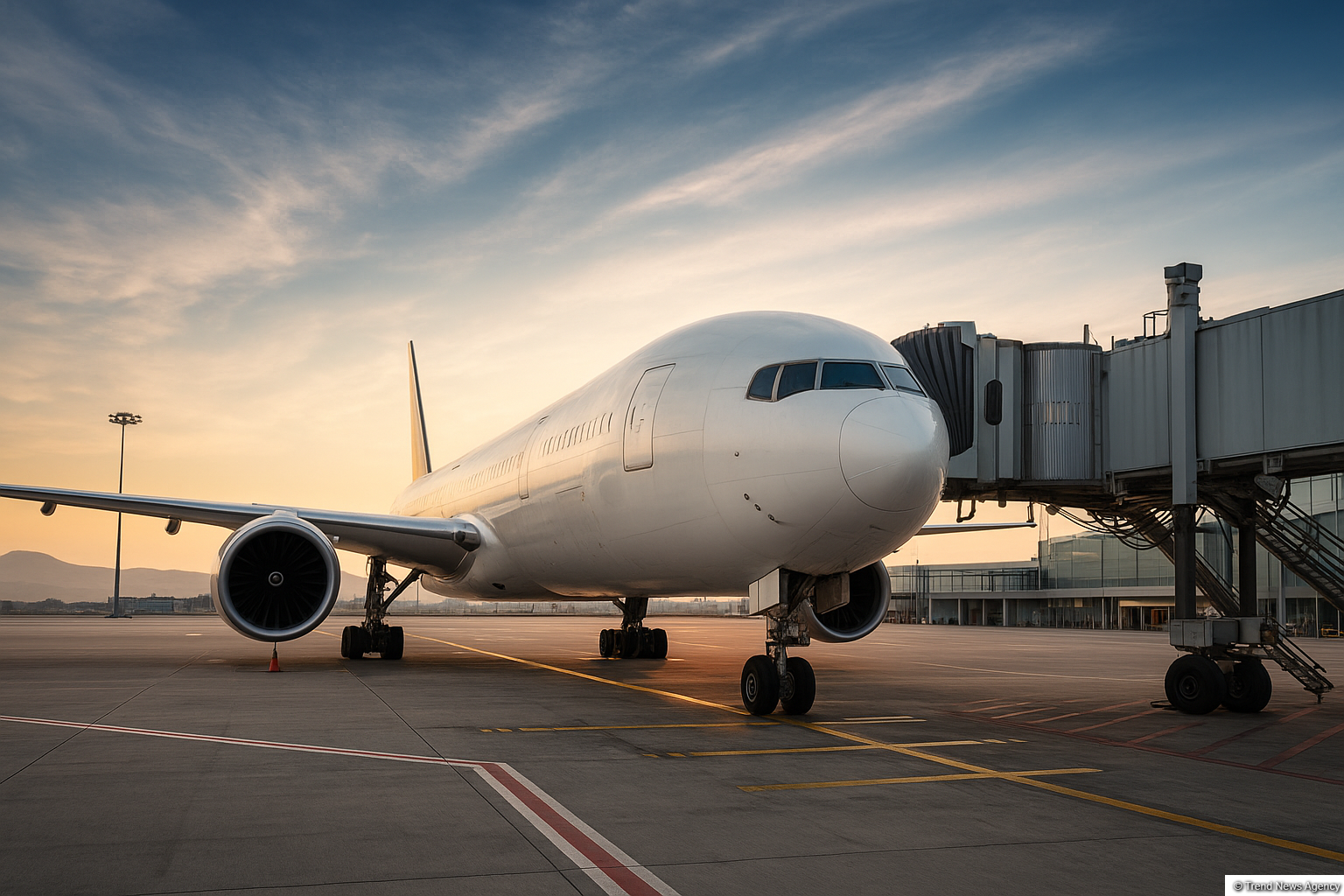
Bu ilin yanvar-iyul aylarında Azərbaycanın hava nəqliyyatı sektoru 4,920 milyard dollar dəyərində 74 min metrik ton yük daşıyıb. Bu barədə Dövlət Gömrük Komitəsinin açıqladığı hesabatda bildirilir. Hesabata görə, bu rəqəm 2025-ci ilin müvafiq dövrü ilə müqayisədə dəyər ifadəsində 32,6 milyon dollar və ya 0,7%, həcm baxımından isə 65 min metrik ton və ya 8,2 dəfə çoxdur.
Hesabat dövründə Azərbaycan hava nəqliyyatı ilə 3 milyard 833 milyon dollar dəyərində 66,5 min ton yük ixrac edib. Əvvəlki ilin eyni dövrü ilə müqayisədə bu, dəyər baxımından 3,6 milyard dollar və ya 17,3 dəfə, həcmdə isə 64,9 min ton və ya 42,5 dəfə artım deməkdir. Bu ilin ilk 7 ayında Azərbaycan hava nəqliyyatı ilə 7500 metrik ton yük idxal edib ki, bu da 1,087 milyard dollar dəyərindədir.
2025-ci ilin eyni dövrü ilə müqayisədə bu rəqəm dəyər ifadəsində 3,6 milyard dollar və ya 4,3 dəfə azalıb, həcmcə isə 84 metrik ton və ya 1,1% artıb. Bununla yanaşı, 2026-cı ilin yanvar-iyul aylarında Azərbaycan bütün nəqliyyat növləri ilə ümumilikdə 31,811 milyon metrik ton yük daşıyıb ki, bu da 29,217 milyard dollar dəyərindədir. Bütövlükdə, son illərdə Azərbaycan ölkənin Avrasiyanın əsas tranzit və logistika mərkəzlərindən birinə çevrilməsinə yönəlmiş iri infrastruktur layihələrinin icrasını davam etdirir.
Ölkə Şərq-Qərb, Şimal-Cənub və Orta Dəhliz marşrutları üzrə yük daşımalarını artırmaq üçün dəmir yolu və yol infrastrukturuna, dəniz limanlarına və logistika obyektlərinə milyardlarla dollar sərmayə qoyub. Bu siyasətin əsas məqsədi Azərbaycanın Avropa ilə Asiya arasında etibarlı tranzit qovşağı kimi mövqeyini daha da gücləndirməkdir. Xüsusilə, Orta Dəhlizin inkişafı dövlət siyasətinin əsas prioritetlərindən biridir.
Bakı Beynəlxalq Dəniz Ticarət Limanı, Bakı-Tbilisi-Qars dəmir yolu, Ələt Azad İqtisadi Zonası və yeni logistik mərkəzlər bu marşrutun rəqabət qabiliyyətini əhəmiyyətli dərəcədə artırır. Hazırda Bakı limanının genişləndirilməsi, onun keçid qabiliyyətinin 15 milyondan 25 milyon metrik tona, konteyner daşıma qabiliyyətinin isə 500 mindən 1 milyon TEU-ya çatdırılması istiqamətində işlər aparılır. Beynəlxalq Avtomobil Nəqliyyatı İttifaqının (IRU) baş katibi Umberto de Pretto Trend-ə eksklüziv müsahibəsində bildirib ki, son illərdə nəqliyyat və logistika infrastrukturuna qoyulan investisiyalar sayəsində Azərbaycan Orta Dəhlizdə əsas oyunçulardan birinə çevrilib.
"Azərbaycanın nəqliyyat infrastrukturuna yatırdığı sərmayələr indi öz bəhrəsini verməkdədir. Ölkə Avropa və Asiya arasında etibarlı tranzit qapısı kimi mövqeyini möhkəmləndirməkdə davam edir və Orta Dəhlizin inkişafında aparıcı rol oynayır", - o vurğulayıb. TRASEKA Hökumətlərarası Komissiyasının baş katibi Asset Assavbayev Trend-ə eksklüziv müsahibəsində qeyd edib ki, Azərbaycanın həyata keçirdiyi nəqliyyat layihələri regionun logistik mənzərəsini yenidən formalaşdırır.
Xülasə — davamını mənbədə oxuyun.