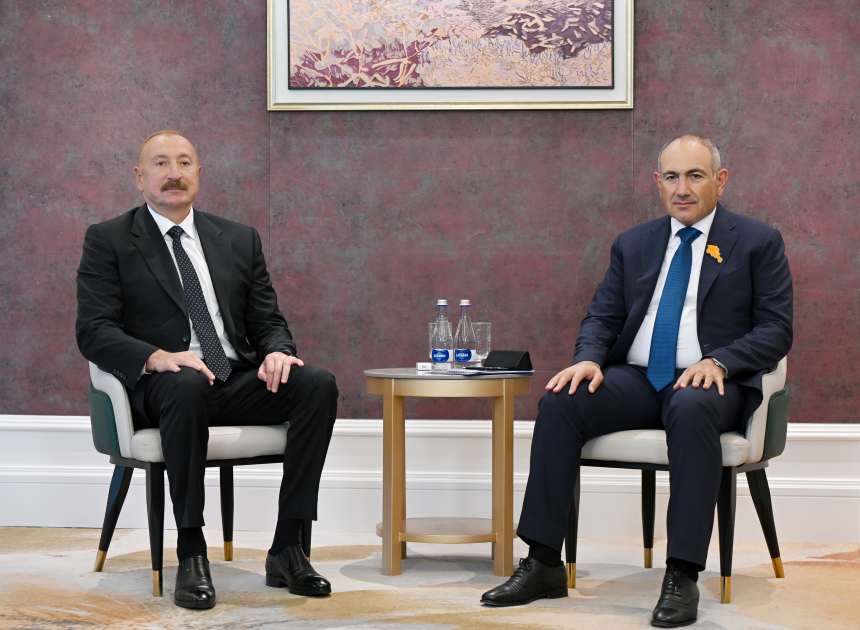
Azərbaycan Prezidenti İlham Əliyev və Ermənistanın Baş naziri Nikol Paşinyan arasında avqustun 31-də Bişkekdə keçirilən görüş 2025-ci il avqustun 8-də keçirilən tarixi Vaşinqton sammitindən sonra Bakı ilə İrəvan arasında sülh prosesinin irəliləyişində daha bir mühüm addım oldu. ABŞ-ın iştirakı ilə əldə edilən siyasi irəliləyişdən bir il sonra tərəflər nəinki kursun davam etdiyini nümayiş etdirirlər. Ticarət və tranzitdən tutmuş enerji əməkdaşlığına, sərhədlərin delimitasiyasına və nəqliyyat əlaqələrinin inkişafına qədər. Bişkekdə keçirilən görüşün əsas nəticəsi iki ölkənin davamlı sülhün daha da möhkəmləndirilməsinə, dövlətlərarası münasibətlərin normallaşdırılmasına və birbaşa ikitərəfli əlaqələrin inkişafına sadiqliyinin bir daha təsdiqlənməsi olub.
Bu davamlılıq bu gün xüsusi əhəmiyyət kəsb edir: tərəflər keçmiş mərhələlərin müzakirələrinə qayıtmırlar, əksinə, yeni sülh mərhələsi çərçivəsində əldə edilmiş razılaşmaların həyata keçirilməsi üzərində işi davam etdirirlər. Əlamətdar haldır ki, liderlər Vaşinqton Sülh Sammitinin tarixi əhəmiyyətini, ondan sonra imzalanmış Birgə Bəyannaməni, Sülhün və Dövlətlərarası Münasibətlərin yaradılması haqqında Sazişin paraflanmış mətnini bir daha qeyd etdilər. Beləliklə, Bakı və İrəvan faktiki olaraq təsdiq etdilər ki, bu müqavilə davamlı sülhə doğru gələcək irəliləyiş üçün əsas olaraq qalır.
Eyni zamanda, görüşün gündəliyi Ermənistan-Azərbaycan dialoqunun məzmununun nə qədər əhəmiyyətli dərəcədə dəyişdiyini nümayiş etdirir. Liderlər siyasi məsələlərlə yanaşı, dinc yanaşı yaşamanın konkret mexanizmlərini müzakirə ediblər. Ticarət, tranzit, enerji əməkdaşlığı, sərhədlərin delimitasiyası və nəqliyyat əlaqəsi diqqət mərkəzində olub.
İqtisadi münasibətlərin getdikcə sülhün praktiki ölçülərindən birinə çevrilməsi xüsusi əhəmiyyət kəsb edir. Azərbaycan neft məhsullarının Ermənistana ixracı, taxıl və digər malların Azərbaycan ərazisindən tranziti, ikitərəfli ticarətin inkişafı, işgüzar dairələr arasında təmaslar iki ölkə arasında real iqtisadi əlaqələrin yaranmasından xəbər verir. Bunlar artıq sülh sazişinin potensial faydaları deyil, əslində baş verməyə başlayan proseslərdir.
ABŞ, Azərbaycan və Ermənistanın Vaşinqton sammitinin birinci ildönümü ilə bağlı dərc olunmuş birgə bəyanatında qeyd olunur ki, son bir il ərzində Azərbaycan ərazisindən keçməklə Ermənistana və Ermənistandan təxminən 60 min ton yük daşınıb, Azərbaycan isə Ermənistana 20 min ton neft məhsulları verib. Eyni sənəddə tərəflərin ikitərəfli ticarətin genişləndirilməsi istiqamətində işləri davam etdirdikləri vurğulanıb. Beləliklə, iqtisadi komponent tədricən sülhməramlılığın mühüm elementinə çevrilir.
İki ölkə arasında ticarət, nəqliyyat və enerji əlaqələri nə qədər çox olarsa, münasibətlərin özü bir o qədər mənalı olur və sabitliyin qorunması üçün əməli stimullar bir o qədər çox olur. Beynəlxalq Sülh və Rifah üçün Tramp marşrutu (TRIPP) bu işin mühüm sahəsi olaraq qalır. Bişkekdə prezident İlham Əliyev və Paşinyan onun həyata keçirilməsi üçün gələcək praktiki addımları müzakirə edib və marşrut boyu nəqliyyat layihələrinin hazırlanmasının vacibliyini vurğulayıblar.
Xülasə — davamını mənbədə oxuyun.