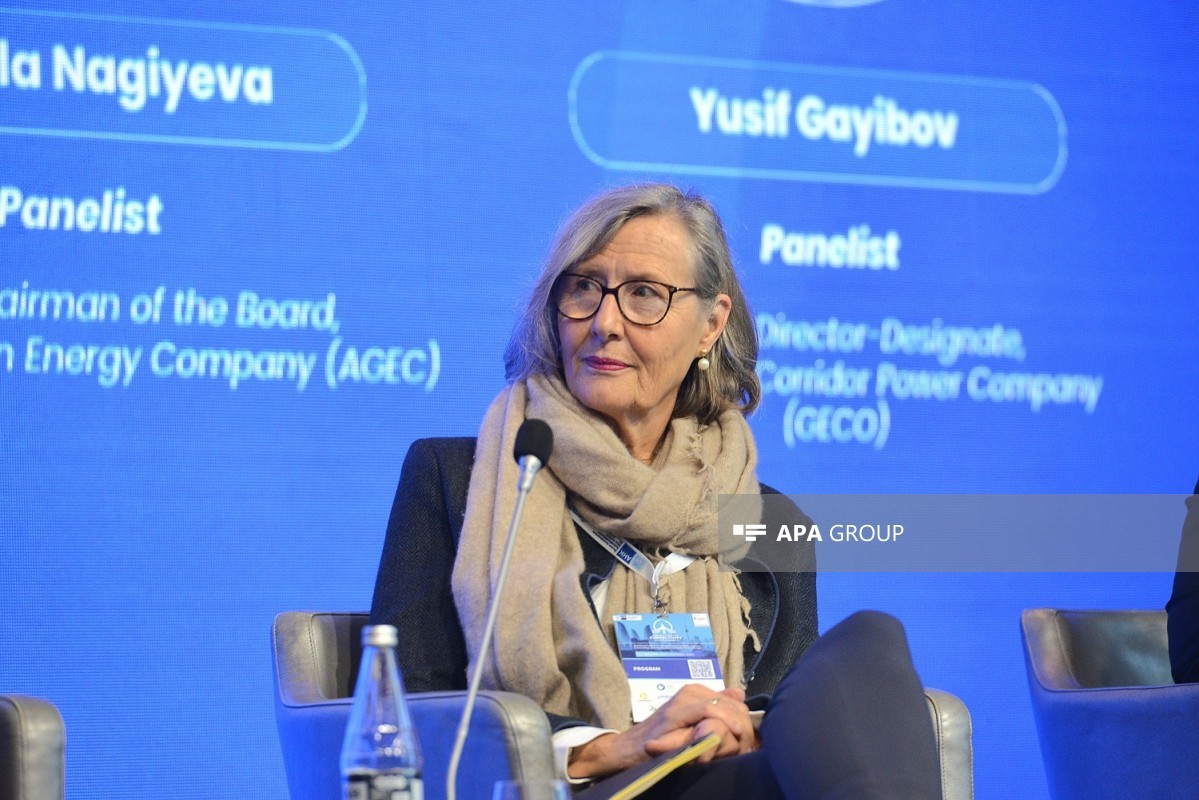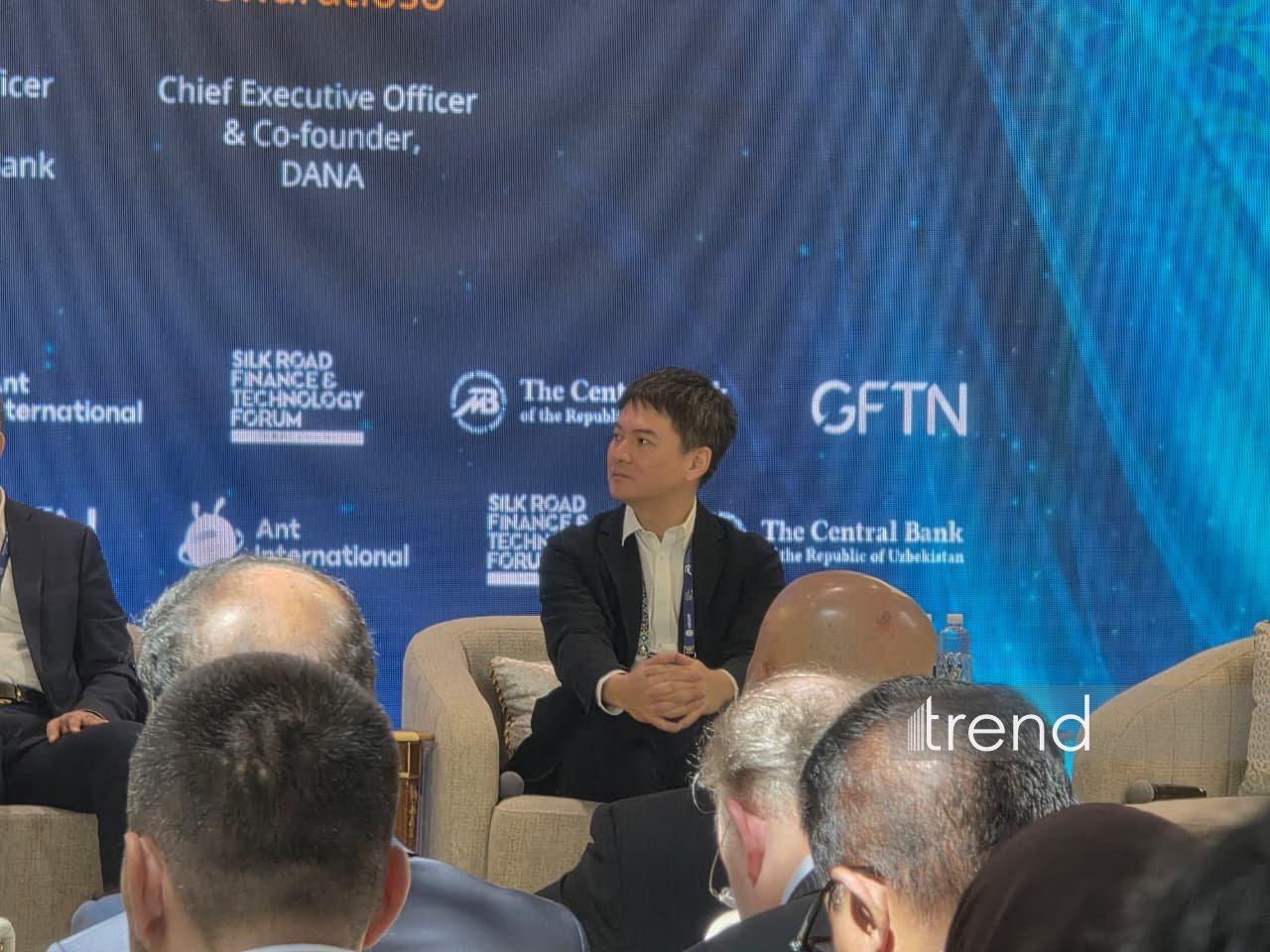
Trend in Daşkənddən olan xüsusi müxbirinin verdiyi məlumata görə, standartlaşdırılmış ödəniş infrastrukturu və tənzimləyicilər və bazar iştirakçıları arasında davamlı dialoq fintech inkişafını sürətləndirə bilər, İndoneziyanın DANA ödəniş platformasının baş direktoru və həmtəsisçisi Vince Henry İsvaratioso bildirib. İpək Yolu Maliyyə və Texnologiya Forumunda çıxış edən o, bildirib ki, ikitərəfli sazişlər bazarın inkişafının ilkin mərhələlərində şirkətlərə layihə iqtisadiyyatı və texnologiyası üzərində daha çox nəzarəti təmin edə bilər. Bununla belə, bazar genişləndikcə daha standartlaşdırılmış infrastruktur getdikcə daha effektiv olur.
"Başlanğıcda biz ikitərəfli razılaşmalara üstünlük verdik, çünki o zaman bölmənin iqtisadiyyatına və texnologiyanın necə işlədiyinə daha çox nəzarət edirsiniz. Lakin sonra biz mərkəzləşdirilmiş yanaşma və standartlaşdırmaya doğru hərəkət etdik", - İsvaratioso bildirib. O qeyd edib ki, bazar böyüdükcə ayrı-ayrı şirkətlərin öz ödəniş infrastrukturunu və ekosistemlərini qurması daha az səmərəli olur.
"Həqiqətən inanıram ki, mərkəzləşdirilmiş yanaşma hamı üçün eyni oyun sahəsi olduğuna əmin olmaqda böyük rol oynayacaq. Bu baş verəndə şirkətlər avtomatik olaraq hər kəsin öz relslərini qurmağa çalışması əvəzinə, daha yaxşı məhsul yaratmağa diqqətini artıracaq" dedi. İsvaratiosonun fikrincə, İndoneziyada QR ödənişlərinin inkişafı standartlaşdırmanın bazarın genişlənməsini necə dəstəkləyə biləcəyinə bir nümunədir.
Mərkəzi bank tərəfindən təsdiq edilmiş ümumi standart bazar iştirakçılarına ayrı-ayrı həllər hazırlamaq əvəzinə ümumi infrastrukturdan istifadə etməyə imkan verib. "QR haqqında danışdığınız zaman, hər kəs onu bilir və ona etibar edir, çünki o, mərkəzi bank tərəfindən təsdiqlənir. Hər kəs onu qəbul edir, buna görə də heç bir sual yoxdur - biz sadəcə istifadə edirik" dedi.
Eyni zamanda, İsvaratioso vurğuladı ki, mərkəzləşdirilmiş yanaşma hökumət, tənzimləyicilər və özəl sektor arasında dialoq mexanizmləri ilə tamamlanmalıdır. O, ödəniş xidməti təminatçılarını və mərkəzi bank tərəfindən lisenziya almış digər qurumları birləşdirən İndoneziyanın özünütənzimləmə təşkilatı (SRO) təşəbbüsünü vurğuladı. “Hər bir ödəniş xidməti təminatçısı, mərkəzi bankdan lisenziyası olan hər bir qurum həmin SRO-nun bir hissəsi olmalıdır.
Avtomatik olaraq, yeni məhsulları və yeni qaydaları müzakirə etdiyimiz bir dialoq var "dedi İsvaratioso. O əlavə edib ki, SRO daxilində işçi qruplar və komitələr mərkəzi bankın inkişaf yol xəritəsini, o cümlədən növbəti beş il üçün planlarını müzakirə edir, tənzimləyici qum qutuları isə yeni həllərin sınaqdan keçirilməsini sürətləndirməyə kömək edir. “Bizim işçi qruplarımız və komitələrimiz var ki, onlar mərkəzi bankın növbəti beş il üçün yol xəritəsi ilə bağlı hər şeyi birbaşa müzakirə edirlər.
Xülasə — davamını mənbədə oxuyun.