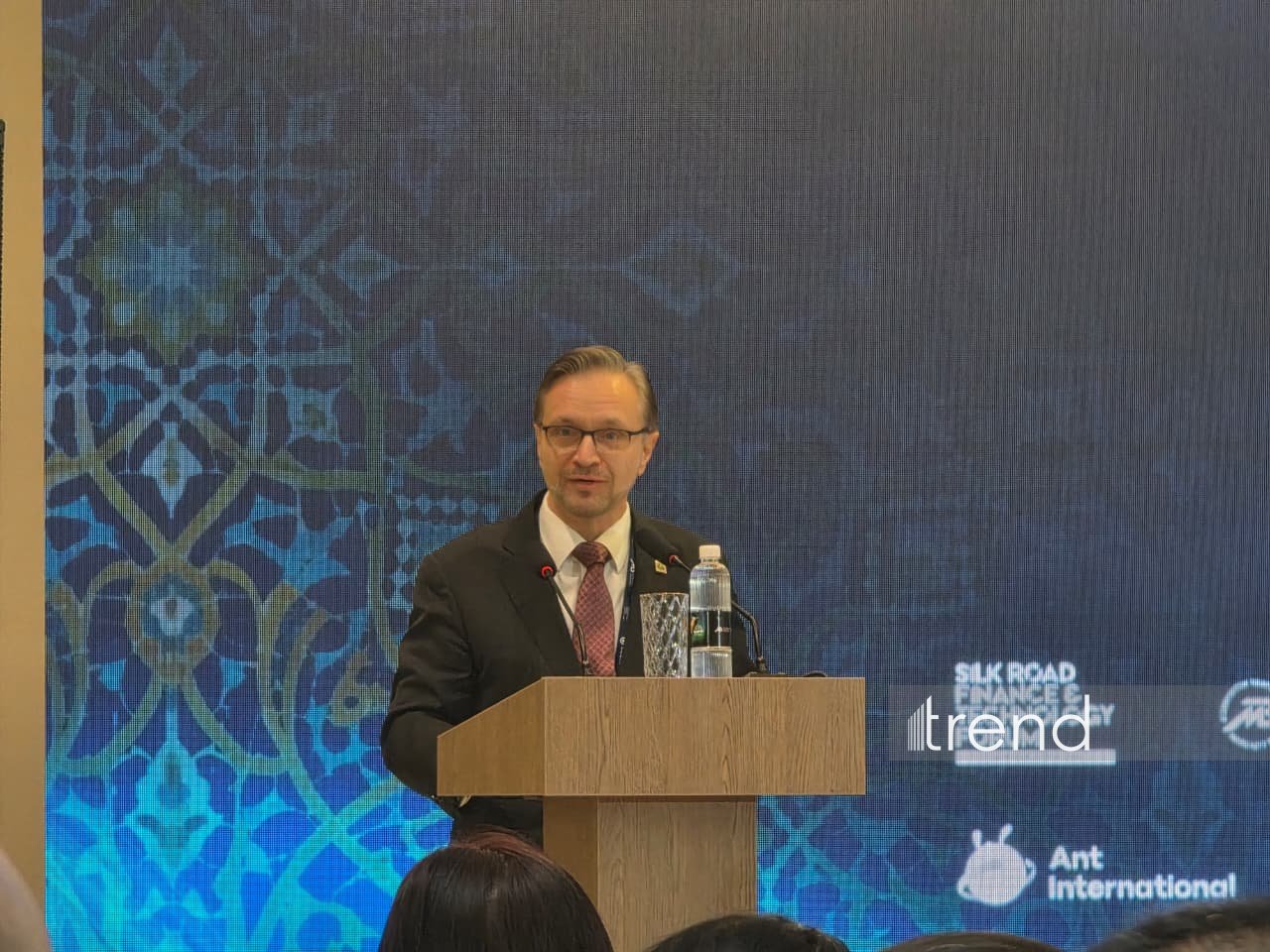
Trend in Daşkənddən olan xüsusi müxbirinin verdiyi məlumata görə, İslam Maliyyə Xidmətləri Şurasının (IFSB) baş katibi Dr. Ghiath Shabsigh bildirib ki, texnologiya və rəqəmsallaşma bazara çıxışın genişləndirilməsi, transsərhəd iştirakın təkmilləşdirilməsi və yeni maliyyə infrastrukturunun inkişafına imkan yaratmaqla İslam maliyyə sənayesindəki struktur məhdudiyyətlərin aradan qaldırılmasına kömək edə bilər. Daşkənddə keçirilən İpək Yolu Maliyyə və Texnologiya Forumunda çıxış edən Şabsiq qeyd edib ki, İslam maliyyəsinin qarşıdakı onillikdə qlobal miqyasda, xüsusilə də Yaxın Şərq, Şimali Afrika, Cənubi Asiya və Cənub-Şərqi Asiyada getdikcə daha çox əhəmiyyət kəsb edəcəyi gözlənilir.
Onun sözlərinə görə, sənaye əhəmiyyətli miqyas əldə edib, lakin onun maliyyə ekosistemi qeyri-bərabər inkişaf edir. Sənaye qlobal aktivlərin demək olar ki, 70%-ni təşkil edən bank işində ciddi şəkildə cəmləşib” deyən Şabsiq qeyd edib ki, İslam kapitalı və pul bazarları, eləcə də qeyri-bank maliyyə sektoru bir çox yurisdiksiyalarda nisbətən zəif inkişaf etmiş olaraq qalır.
İnvestisiya, maliyyələşdirmə, likvidlik və risklərin idarə edilməsi üçün mövcud alətlərin çeşidi də məhdud olaraq qalır. Shabsigh misal olaraq sukuk bazarını vurğuladı. Onun sözlərinə görə, son illərdə emissiya əhəmiyyətli dərəcədə artsa da, bazar dərinliyi, təkrar bazar likvidliyi və investorların müxtəlifliyi gələcək inkişaf tələb edən sahələr olaraq qalır.
Məhdud bazar dərinliyi və dar alətlər diapazonu bankları maliyyələşdirmə və likvidliyi idarə etmək üçün daha az seçim imkanı verir, xüsusilə də stress altındadır "dedi. IFSB tərəfindən müəyyən edilən digər bir məsələ İslam bankçılığında "hibrid risk" adlandırdığı şeyin ortaya çıxmasıdır. Shabsigh'in fikrincə, bəzi inkişaf etməkdə olan banklarda İslam banklarının balans xüsusiyyətləri, onların potensial revensiya bazarlarında risklərini artıraraq dəyişir. profillər.
Eyni zamanda, o, texnologiyanın sənayenin üzləşdiyi bəzi struktur maneələri aradan qaldırmaq üçün yeni imkanlar verə biləcəyini söylədi. Fürsət sadəcə səmərəliliyi artırmaq deyil, İslam maliyyə ekosistemində məhdud iştiraka, bazara çıxışa və yurisdiksiyalarda fəaliyyətə malik olan sürtüşmələri aradan qaldırmaq üçün texnologiyadan istifadə etməkdir,” Shabsigh bildirib. O, əlavə edib ki, rəqəmsallaşma daha çox transsərhəd iştirakı asanlaşdıra və fərdi bazarlara investorların, kapitalın və maliyyə alətlərinin daha geniş bazasına daxil olmağa imkan verə bilər.
Shabsigh vurğuladı ki, rəqəmsal transformasiya sadəcə olaraq mövcud təcrübələri rəqəmsal formaya köçürməkdən kənara çıxmalıdır. Onun sözlərinə görə, yeni texnologiyaların inkişafı həm də güclü tənzimləyici və maliyyə əsaslarının əhəmiyyətini artırır, çünki daha böyük sürət, miqyas və qarşılıqlı əlaqə risklərin ötürülməsini sürətləndirə bilər. Texnologiya bazarlar arasında daha böyük miqyas, sürət və qarşılıqlı əlaqə yaratdıqca, risklərin həyata keçirilməsini və ötürülməsini də sürətləndirə bilər”, - deyə Şabsiq bildirib.
Xülasə — davamını mənbədə oxuyun.