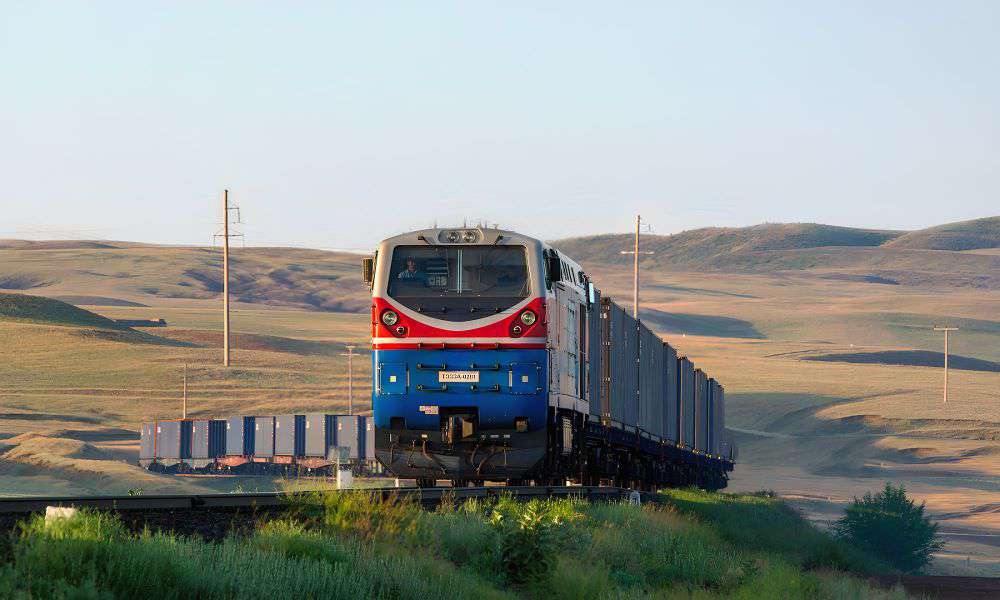
Qazaxıstanın Orta Dəhliz strategiyası Pakistan üçün Azərbaycan üzərindən yeni variantlar təklif edir. Bu barədə Ənzəli Azad Zonasının (AFZ) Bazarın İnkişafı üzrə Direktoru Hossein Fashxami sosial media hesabında məlumat verib. Onun sözlərinə görə, Qazaxıstanın nəqliyyat strategiyası Mərkəzi Asiya, Xəzər regionu və Avropanı birləşdirən marşrutları genişləndirməklə yanaşı, Azərbaycan üzərindən Pakistanla yeni logistik imkanlar yarada bilər.
O qeyd edib ki, Qazaxıstan inteqrasiya olunmuş nəqliyyat şəbəkələrinin iqtisadi əhəmiyyətini nümayiş etdirir. "Dünyada dənizə çıxışı olmayan ən böyük ölkə olmasına baxmayaraq, Qazaxıstan Avrasiyanın əsas tranzit qovşaqlarından birinə çevrilmək üçün dəmir yollarına, avtomobil yollarına, Xəzər dənizindəki limanlara, sərhəd terminallarına, logistika mərkəzlərinə və rəqəmsal nəqliyyat sistemlərinə böyük sərmayələr yatırıb. Son 7 ildə Qazaxıstan öz nəqliyyat infrastrukturuna təxminən 35 milyard dollar sərmayə qoyub.
Hazırda Çin, Mərkəzi Asiya, Xəzər regionu və Avropa istiqamətlərində nəqliyyat imkanlarının genişləndirilməsi üçün yeni layihələr həyata keçirilir”, - ekspert xatırladıb. Faşxami bunun Pakistan üçün də vacib olduğunu vurğulayıb. “Qazaxıstan dənizə çıxışın olmamasının yaratdığı məhdudiyyətləri aradan qaldırmaq üçün sərmayə yatırsa da, Pakistan Qazaxıstanın ən çox ehtiyac duyduğu üstünlüyə malikdir - Ərəb dənizinə birbaşa çıxış.
Qazaxıstan Prezidenti Kasım-Jomart Tokayevin 2026-cı ilin fevralında Pakistana dövlət səfəri iki ölkə arasında daha dərin əməkdaşlıq üçün strateji imkanları vurğuladı. Qazaxıstan fərdi layihələrdən daha çox nəqliyyat dəhlizləri formalaşdırır. Ölkənin nəqliyyat-logistika potensialının 2030-cu ilə qədər inkişaf konsepsiyası avtomobil, dəmir yolu, dəniz və hava nəqliyyatının paralel inkişafını, transsərhəd logistika mərkəzlərinin yaradılmasını, nəqliyyat parkının modernləşdirilməsini, tranzitdə qeyri-fiziki maneələrin azaldılmasını nəzərdə tutur”, - deyə o, izah edib.
Ekspert qeyd edib ki, İqtisadi Əməkdaşlıq və İnkişaf Təşkilatının (OECD) təhlili də Qazaxıstanın strateji mövqeyini vurğulayır. Ölkə Transxəzər Beynəlxalq Nəqliyyat Marşrutunda (Orta Dəhliz), Çinlə sərhəddə, Xəzər dənizindəki Aktau və Kurık limanlarında və Transxəzər Beynəlxalq Nəqliyyat Marşrutunda (Orta Dəhliz) mərkəzi rola malikdir. “Orta dəhliz Çin → Qazaxıstan → Xəzər dənizi → Azərbaycan → Gürcüstan → Türkiyə/Qara dəniz → Avropa marşrutu üzrə keçir.
Yükdaşıyıcıların daha dayanıqlı və şaxələndirilmiş Avrasiya marşrutlarına üstünlük verməsi fonunda bu dəhliz üzrə yükdaşımaların həcmi sürətlə artıb. Çin-Avropa marşrutu üzrə Xəzərdən keçən yüklərin həcmi 2022-ci ildə 1,5 milyon tondan az olduğu halda, 2024-cü ildə bu rəqəm 3,3 milyon tonu keçəcək. Qazaxıstan 2030-cu ilə qədər tranzit yükdaşımaların həcmini 74 milyon tona çatdırmağı hədəfləyir və tələbat tam formalaşana qədər nəqliyyat imkanlarını genişləndirir.
Xülasə — davamını mənbədə oxuyun.