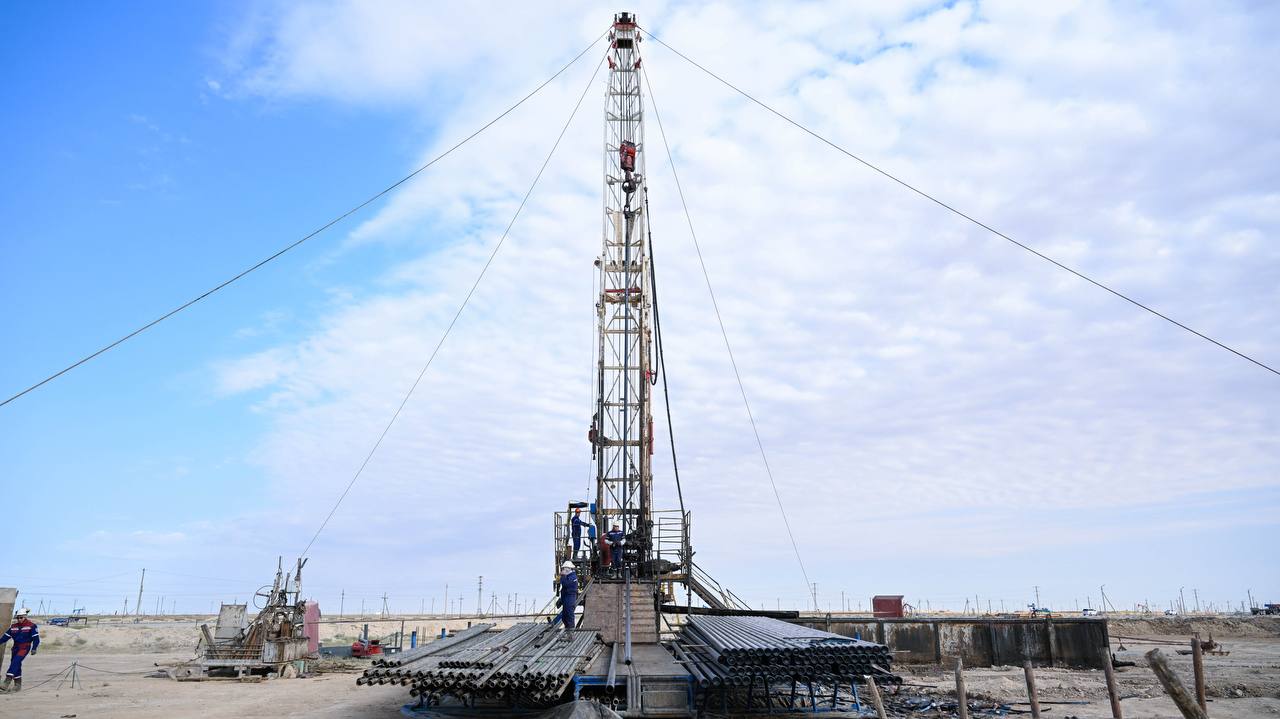
“KazMunayQaz”ın baş direktoru Asxat Xassenov şirkətə texnoloji və rəqəmsal həllərin tətbiqini davam etdirməyi, onun istehsalının səmərəliliyinə və daha da genişləndirilməsinə diqqət yetirməyi tapşırıb. Bu barədə “KazMunayQaz”ın (KMG) mətbuat xidməti baş direktor Xassenovun “Özenmunayqaz”ın (OMG) yeni texnologiyaların tətbiq olunduğu istehsalat müəssisələrinə səfəri və “Uzen” və “Karamandıbas” yataqlarının işlənməsinin gücləndirilməsi üçün onların gələcək tətbiqi ilə bağlı müşavirə keçirdikdən sonra məlumat verib. “Hidravlik sındırma neft hasilatını artırmaq üçün əsas texnologiya olaraq qalır.
O, hər il 400-ə yaxın quyuda aparılır və ildə 500 min tondan çox neft hasil edilir. Şirkət qlobal ən yaxşı təcrübələrə uyğun olaraq texnologiyanı təkmilləşdirməyə davam edir. 2025-ci ildə “Özenmunayqaz” sintetik mayelərdən istifadə etməklə köpük-azot hidravlik qırılma və hidravlik qırılma işlərini uğurla həyata keçirdi və bu ildən kommersiya miqyasında istifadəyə verildi”, - deyə KMG-dən bildirilib.
Uzen və Karamandıbas kimi yetişmiş yataqlar üçün əsas prioritet hasilatın azalmasını yavaşlatmaq və suyun kəsilməsini azaltmaqdır. Bu məqsədlə OMG bir sıra polimer əsaslı texnologiyalar tətbiq edir. Xüsusilə, şirkət polimer inyeksiyasından istifadə edərək su ilə alternativ profilin modifikasiyası texnologiyasını optimallaşdırıb.
Təmizləmə parametrləri lay xüsusiyyətlərinə və istifadə olunan kimyəvi maddələrin xüsusiyyətlərinə əsasən hər bir quyu üçün fərdi olaraq seçilir. Bu yanaşma əməliyyatların dəyərini yarıbayarı azaltmağa kömək etdi, eyni zamanda texnologiyanın illik hasilat effekti təxminən 200.000 ton neft təşkil edir. Neft hasilatını artırmaq və suyun kəsilməsini azaltmaq üçün polimer daşqının pilot sənaye sınağı da aparılır.
Uğurlu nəticələr ehtiyatların çox tükəndiyi ərazilərdə texnologiyanın genişləndirilməsinə imkan verəcək. Üfüqi qazma digər perspektivli sahədir. Texnologiya quyu ilə lay arasında təmas sahəsini artırır və əlavə ehtiyatların hasilata gətirilməsinə imkan verir.
Layihə üçün dörd quyu seçilib. Qeyri-aktiv quyuların istismara qaytarılmasına imkan verən yan yolda da işlər davam etdirilir. Bu iş üçün 15-dən çox quyu seçilmişdir.
Xülasə — davamını mənbədə oxuyun.