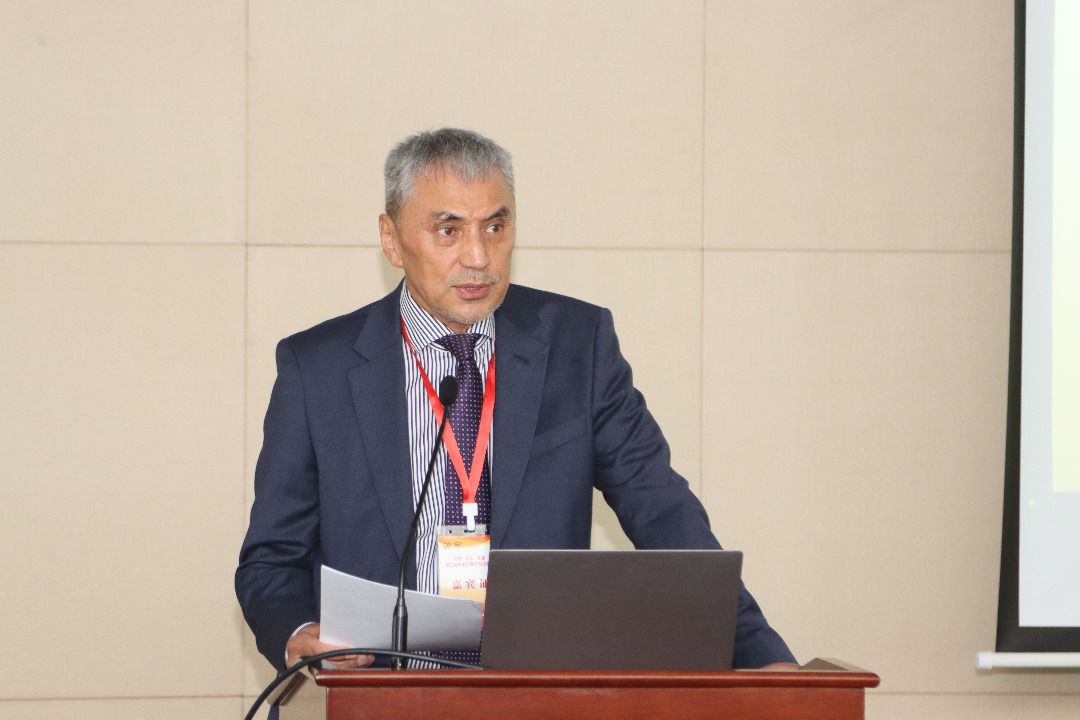
Ala-Too Beynəlxalq Universitetinin (Bişkek, Qırğızıstan) professoru Kubanıçbek Taabaldiyev Trend-ə bildirib ki, Qırğızıstan öz coğrafi mövqeyindən təkcə tranzit faktoru kimi deyil, həm də Çin, Mərkəzi Asiya və daha da cənub və qərb arasında yeni istehsal və logistika zəncirlərinin inkişafı üçün əsas kimi istifadə etməlidir. Qırğızıstan ilk növbədə mövcud iqtisadi inkişaf tempinin saxlanmasında, hətta daha çox sürətləndirilməsində maraqlıdır. Son dörd ildə Qırğızıstanın ÜDM-i 2,5 dəfə artıb.
Regionun heç bir ölkəsində belə artım qeydə alınmayıb. Daha sonra nəqliyyat, ticarət, enerji, tikinti və təhlükəsizlik kimi sahələr var. Nəqliyyat sektoru ölkə hakimiyyətinin xüsusi diqqətindədir.
2024-cü ilin sonunda Çin-Qırğızıstan-Özbəkistan dəmir yolunun tikintisinə başlanması Qırğızıstanın nəqliyyat təcridindən çıxmasının başlanğıcı oldu”, - deyə o bildirib.Onun sözlərinə görə, enerji, rəqəmsallaşma və iqlim və fövqəladə problemlərə birgə cavab tədbirləri heç də az əhəmiyyət kəsb etmir. dayanıqlı elektrik təchizatı tələb edən şirkətlərin sayının artması səbəbindən tutum artıq özünü büruzə verir.
Eyni zamanda, humanitar əməkdaşlıq ŞƏT ölkələrinin cəmiyyətləri arasında etimadın möhkəmləndirilməsi üçün mühüm alət olaraq qalır”, - deyə o qeyd edib.Professor əlavə edib ki, Qırğızıstan çoxvektorlu xarici siyasət yürüdür və ŞƏT ölkəyə belə bir siyasət yeritmək imkanı verir, Bişkekin vahid güc mərkəzinə bağlanmamasına şərait yaradır. onun inkişafı üçün kanallar.
Qırğızıstan kimi bir ölkə üçün bu, xüsusilə vacibdir: çoxtərəfli formatlar Qırğızıstanın diplomatik çəkisini və görünürlüyünü əhəmiyyətli dərəcədə artıra bilər”, o əlavə edib. Eyni zamanda, Taabaldiyev vurğulayıb ki, hər hansı böyük siyasi proseslərdən, məsələn, sammitlərdən sonra faktiki olaraq hamı tədbirin necə yekunlaşması, hansı sənədlərin qəbul edilib imzalanması və s. Qırğızıstan üçün bunlar, ilk növbədə, nəqliyyat, ticarət, enerji, investisiya və rəqəmsal əlaqədir - ölkənin nəzərəçarpacaq iqtisadi effekt əldə edə biləcəyi sahələr.
ŞƏT-in əsas liderlərindən biri olan Çinlə qonşu olan Qırğızıstan əsaslı şəkildə münasibətlərdə müəyyən üstünlüklər gözləyə bilər. Bunların bəziləri artıq özünü büruzə verməkdədir. Məsələn, Pekinin Qırğızıstan vətəndaşları üçün Çində 240 saatlıq vizasız qalma rejimini tətbiq etməsi artıq çox şeydən xəbər verir.
Xülasə — davamını mənbədə oxuyun.