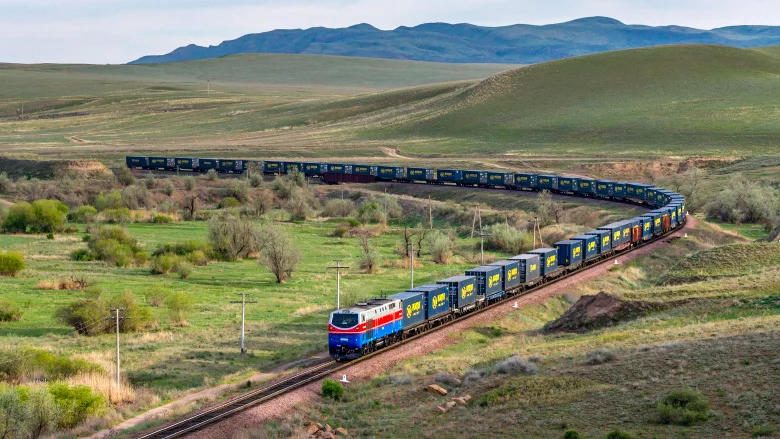
Orta Dəhliz Asiya və Avropa arasında ənənəvi nəqliyyat marşrutu konsepsiyasından tədricən kənara çıxır. Artan yüklərin həcmi, qısa çatdırılma müddətləri, liman və dəmir yolu infrastrukturunun inkişafı, rəqəmsal həllərin tətbiqi və yeni logistika xidmətləri Transxəzər Beynəlxalq Nəqliyyat Marşrutunu hərtərəfli iqtisadi ekosistemə çevirir. Bu proses Azərbaycan üçün xüsusi əhəmiyyət kəsb edir.
Ölkə Mərkəzi Asiyanı Gürcüstan, Türkiyə və Avropa bazarları ilə birləşdirən marşrutun Xəzər-Qafqaz seqmentinin mərkəzində yerləşir. Ona görə də Orta Dəhlizin inkişafı Azərbaycana təkcə tranzit daşımalarını artırmaq üçün deyil, həm də investisiya cəlb etmək, logistikanı inkişaf etdirmək, ticarət-iqtisadi əlaqələri genişləndirmək üçün imkanlar yaradır. Regionlararası marşrutdan iqtisadi platformaya Bu gün Orta Dəhliz Çini, Mərkəzi Asiya ölkələrini, Xəzər regionunu, Cənubi Qafqazı, Türkiyəni və Avropanı birləşdirir.
Şirkətlər və hökumətlər beynəlxalq təchizat zəncirlərinin daha çoxşaxəli və davamlı sistemini axtardıqca onun əhəmiyyəti artır. Eyni zamanda, marşrutun özünün xarakteri də tədricən dəyişir. İlkin diqqət əsasən yüklərin daşınmasına yönəldilsə də, Orta Dəhliz indi multimodal daşıma, limanların idarə edilməsi, konteyner logistikası, dəmir yolu xidmətləri, anbar həlləri və rəqəmsal dəstək daxil olmaqla daha geniş xidmətlər spektrini inkişaf etdirir.
Buna görə də Orta Dəhliz getdikcə daha çox sadəcə nəqliyyat marşrutu deyil, iqtisadi dəhliz kimi təsvir olunur. Məqalədə PMCG konsaltinq şirkətinin prezidenti Aleksi Aleksişvili qeyd edir ki, iqtisadi dəhlizlər təkcə malların daşınmasına deyil, həm də investisiyaların, sənayenin inkişafına, qlobal təchizat zəncirlərinə inteqrasiyaya və iş yerlərinin yaradılmasına təkan verə bilər. Bu yanaşma xüsusilə coğrafi mövqelərindən Çin və Avropa bazarları ilə iqtisadi əməkdaşlığı genişləndirmək üçün istifadə edə bilən Cənubi Qafqaz və Mərkəzi Asiya ölkələri üçün aktualdır.
Artan yüklərin həcmi dəyişən miqyasdan xəbər verir Son illərin dinamikası marşruta marağın getdikcə daha praktik xarakter aldığını göstərir. Qazaxıstanın Ticarət və İnteqrasiya Nazirinin müavini Asset Nusupovun Trend-ə eksklüziv müsahibəsində sitat gətirdiyi məlumatlara görə, Orta Dəhliz üzrə yükdaşımalar 2022-ci ildən 2025-ci ilə qədər 5 dəfədən çox artıb. 2025-ci ildə ümumi yükdaşımalar 4,5-4,7 milyon tona, konteyner daşımaları isə 760 TEU, 730% artıb. ildən-ilə.
2026-cı ildə müsbət dinamika davam edib. Birinci rübdə marşrut üzrə 125 konteyner qatarı hərəkət edib ki, bu da ötən ilin müvafiq dövrü ilə müqayisədə 34,4% çoxdur. Xi'an-Ələt limanı marşrutu xüsusilə güclü artım nümayiş etdirdi: ilin ilk üç ayında bu marşrut üzrə 85 qatar hərəkət etdi ki, bu da bir il əvvəlkindən iki dəfə çoxdur.
Xülasə — davamını mənbədə oxuyun.