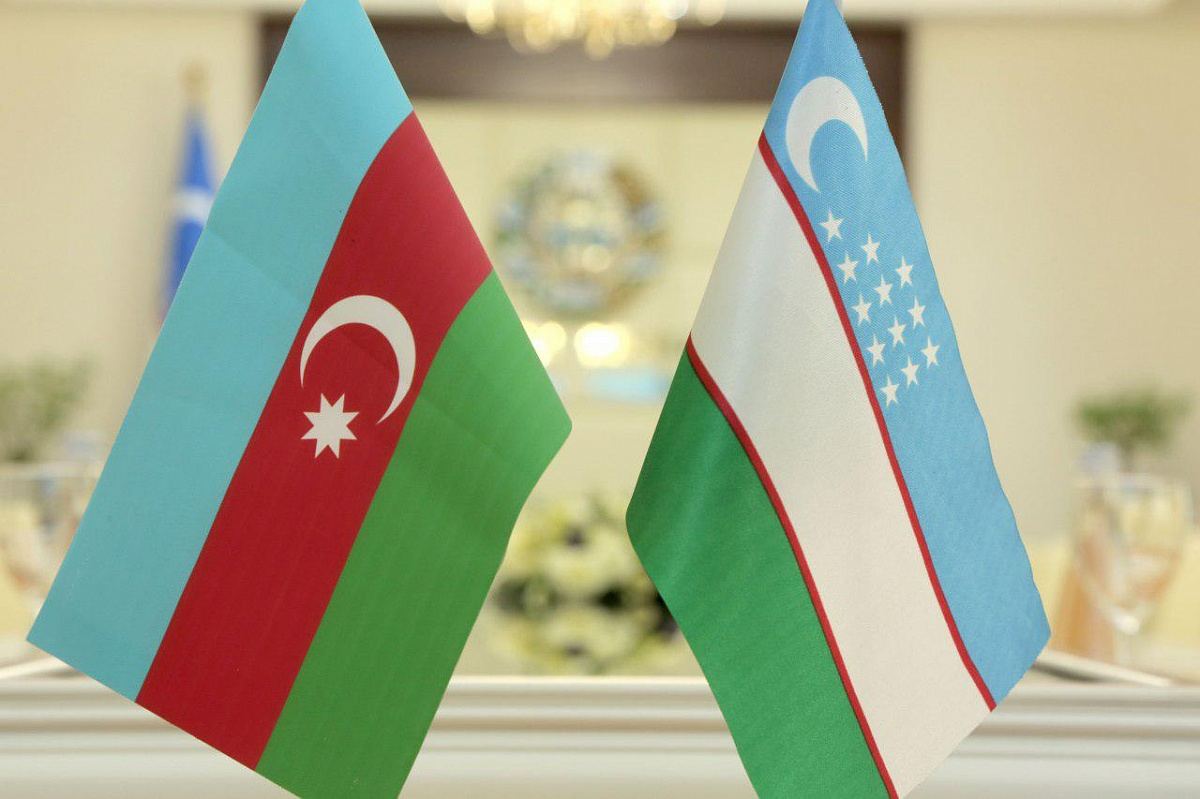
Özbəkistan və Azərbaycan son həftələrdə əvvəllər əldə edilmiş razılaşmaların həyata keçirilməsini xeyli sürətləndirib, siyasi müttəfiqliklərini konkret ticarət, investisiya və regional layihələrə çeviriblər. Bakı ilə Daşkənd arasında son təmaslar göstərir ki, hazırkı dinamika yüksək səviyyəli görüşlərdən xeyli kənara çıxır. Avqust ayında iki tərəf eyni vaxtda yeni ticarət hədəflərini irəli sürüb, regionlararası forum hazırlayıb, sənaye və investisiya layihələrini müzakirə edib, texnologiya və təhlükəsizlik sahəsində əməkdaşlığı genişləndirib, media və regional əlaqələri gücləndirib.
İqtisadiyyat bu prosesin əsas hərəkətverici qüvvələrindən biri olaraq qalır. Özbəkistanın İnvestisiya, Sənaye və Ticarət Nazirliyinin məlumatına görə, 2025-ci ildə Azərbaycanla ticarət dövriyyəsi 14,6% artaraq 307,3 milyon dollara çatıb. 2026-cı ilin yanvar-iyun aylarında ticarət dövriyyəsi 170,3 milyon dollar təşkil edib ki, bu da bir ilin eyni dövrü ilə müqayisədə 30,8% çoxdur.
Daşkənd və Bakı indi 2030-cu ilə qədər ikitərəfli ticarətin həcmini 1 milyard dollara çatdırmaq üçün daha uzunmüddətli hədəf qoyublar. Bu məqsədlə əldə edilmiş razılaşmaların həyata keçirilməsi üçün xüsusi proqram və yol xəritəsi hazırlanır. Əhəmiyyətli odur ki, bu hədəf digər əməkdaşlıq sahələri ilə yanaşı davam etdirilir.
Avqustun 22-də Daşkənddə ölkələrin regionları və işgüzar dairələri arasında birbaşa təmasların genişləndirilməsi, yeni ticarət və investisiya layihələrinin həyata keçirilməsinə kömək etmək məqsədi ilə dördüncü Özbəkistan-Azərbaycan Regionlararası Forumu keçiriləcək. Regionlararası ölçü hazırkı gündəliyin ən gözə çarpan elementlərindən birinə çevrilib. Azərbaycan və Özbəkistan prezidentləri əvvəllər öz regionları arasında əməkdaşlığa daha çox önəm vermək barədə razılığa gəliblər və bu öhdəlik indi praktiki təşəbbüslərə çevrilir.
Özbəkistan prezidenti Şavkat Mirziyoyev 2024-cü ildə Daşkənddə prezident İlham Əliyevlə birgə mətbuata bəyanatla çıxış edərkən vurğulayıb ki, iki ölkə siyasi bəyannamələrlə məhdudlaşmır. Nazirlik və agentliklərimiz də Azərbaycanla planlaşdırdığımız hər şeyi yerinə yetirməli olduğumuz gözləntisini qəbul edib”.
Avqustun 19-da Daşkənddə iki ölkənin xarici işlər nazirlikləri arasında siyasi məsləhətləşmələrin növbəti raundu keçirilib. Xarici işlər nazirinin müavinləri Bobur Usmanov və Samir Şərifov strateji tərəfdaşlıq və müttəfiqlik çərçivəsində ikitərəfli münasibətlərin vəziyyətini və perspektivlərini müzakirə ediblər. Danışıqlar həmçinin ticarət və investisiya, sənaye, nəqliyyat, logistika, enerji və mədəniyyət sahələrini əhatə edib.
Xülasə — davamını mənbədə oxuyun.