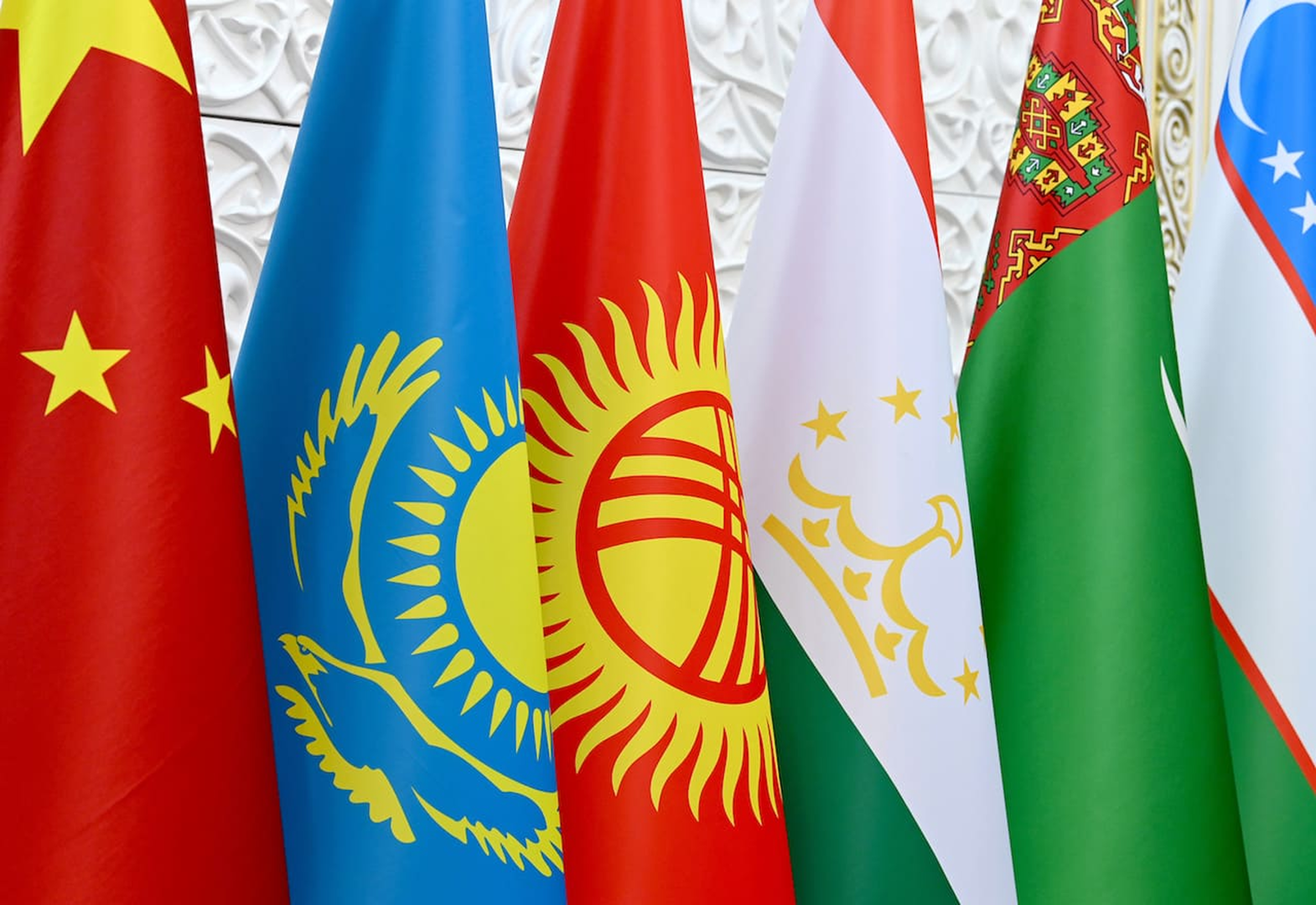
Şanxay Əməkdaşlıq Təşkilatı (ŞƏT) Mərkəzi Asiya ölkələri üçün regional əlaqəni genişləndirməyə, investisiya cəlb etməyə və nəqliyyat, enerji, maliyyə və rəqəmsallaşma sahələrində əməkdaşlığı gücləndirməyə çalışdıqları üçün getdikcə daha vacib platformaya çevrilir. ŞƏT-in Bişkek sammitinin yaxınlaşması ilə təşkilatın artan iqtisadi gündəliyi iqtisadiyyatları sürətlə genişlənən və əsas bazarlarla daha dərin inteqrasiyadan keçən region üçün xüsusi aktuallıq qazanır. Son illərdə ŞƏT-in Mərkəzi Asiya üzvləri ilə əməkdaşlığı təhlükəsizlik məsələləri ilə yanaşı, praktiki iqtisadi prioritetlərə daha çox diqqət yetirir.
Nəqliyyat dəhlizləri, enerji əməkdaşlığı, maliyyə mexanizmləri və rəqəmsal infrastrukturla bağlı müzakirələr geniş vüsət alıb, ayrı-ayrı ölkələr eyni vaxtda Çin, Rusiya, Azərbaycan və digər xarici tərəfdaşlarla iqtisadi tərəfdaşlıq əlaqələrini genişləndirib. Bu tendensiya Mərkəzi Asiyanın iqtisadi vəziyyətində daha geniş transformasiyanı əks etdirir. Region enerji, sənaye, infrastruktur və texnologiyaya investisiya cəlb etməklə, Avrasiya ticarəti və tranzitində öz rolunu gücləndirir.
Bu fonda ŞƏT transsərhəd layihələrin əlaqələndirilməsi və üzvləri arasında iqtisadi əməkdaşlığın asanlaşdırılması üçün əlavə çərçivə təmin etmək potensialına malikdir. Bu fonda Bişkek sammitində nəqliyyat əlaqəsi, enerji əməkdaşlığı, investisiya və maliyyə mexanizmlərinə xüsusi diqqət yetirilməklə, ŞƏT-in iqtisadi gündəliyini daha da inkişaf etdirəcəyi gözlənilir. Maliyyə ŞƏT əməkdaşlığının yeni sütununa çevrilə bilər Ən mühüm hadisələrdən biri ŞƏT-in İnkişaf Bankı üzərində işlərin davam etdirilməsidir.
ŞƏT baş katibinin müavini Sohail Xan may ayında qurumla bağlı məsləhətləşmələrin başlandığını və təklif olunan bankın birgə layihələrin maliyyələşdirilməsi və təşkilatın maliyyə arxitekturasının gücləndirilməsi üçün əsas mexanizm ola biləcəyini bildirib. Bu məsələ ŞƏT xarici işlər nazirlərinin iyulda Çolpon-Atada keçirilən iclasında gündəmdə qalıb və burada üzv dövlətlər bank üzrə məsləhətləşmələrdə, xüsusilə birgə investisiya, infrastruktur və nəqliyyat-logistika layihələri ilə bağlı irəliləyişləri qeyd ediblər. Mərkəzi Asiya iqtisadiyyatları üçün potensial əhəmiyyəti böyükdür.
Region dəmir yolları, avtomobil yolları, enerji istehsalı, elektrik enerjisinin ötürülməsi, sənaye obyektləri və rəqəmsal infrastruktur üçün böyük həcmdə kapital tələb edən intensiv infrastruktur inkişafı dövrünə qədəm qoyur. ŞƏT-in maliyyə institutu yaradılarsa və adekvat kapitallaşdırılarsa, bir neçə üzv dövlətin iştirak etdiyi layihələr üçün əlavə uzunmüddətli maliyyələşdirmə mənbəyi təmin edə bilər. Təklif olunan qurum həm də mövcud maliyyə kanallarını əvəz etmək əvəzinə onları tamamlaya bilər.
Mərkəzi Asiya hökumətləri artıq Dünya Bankı, Asiya İnkişaf Bankı, Avropa maliyyə institutları, Çin siyasət bankları və milli inkişaf institutları ilə işləyir. Bu, ŞƏT İnkişaf Bankını mövcud beynəlxalq maliyyə institutlarını əvəz etməkdənsə, transsərhəd layihələr üçün əlavə alət kimi potensial olaraq daha faydalı edir. Eyni məntiq qarşılıqlı hesablaşmalarda milli valyutalardan istifadənin artırılması ilə bağlı müzakirələrə də aiddir.
Xülasə — davamını mənbədə oxuyun.