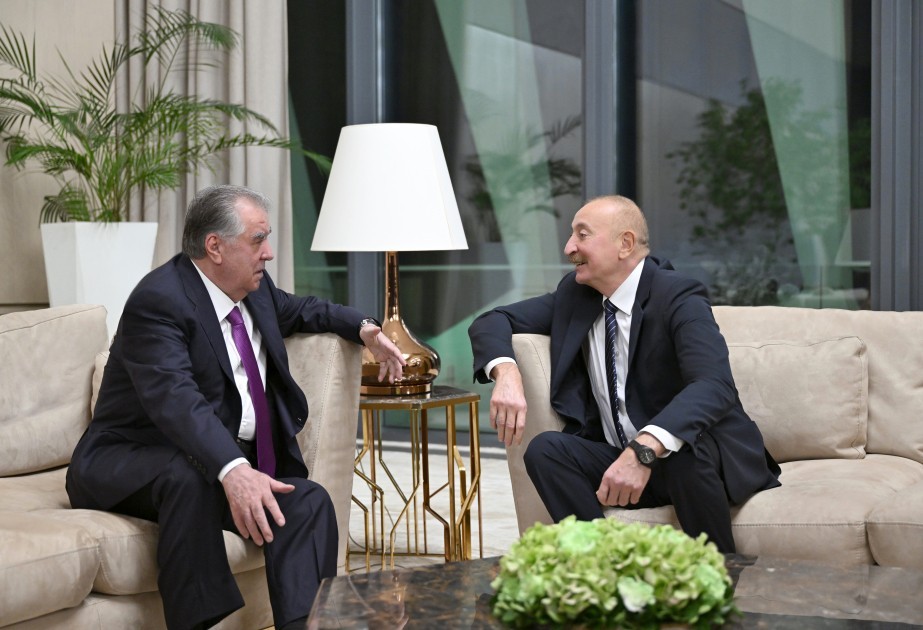
Avqustun 10-da Türkmənistanın Xalq Məsləhətinin (parlamentinin) sədri Qurbanqulu Berdiməhəmmədov Əfqanıstana işgüzar səfər edib və bu ölkə hökuməti sədrinin iqtisadi məsələlər üzrə müavini Əbdül Qani Baradar ilə danışıqlar aparıb. Müzakirə olunan əsas məsələlərdən biri Türkmənistan-Əfqanıstan-Pakistan-Hindistan (TAPI) qaz kəmərinin, o cümlədən onun əsas Əfqanıstan hissəsi olan Serhetabat-Heratın reallaşdırılması olub. Səfər zamanı tərəflər layihə, nəqliyyat və enerji infrastrukturu üzrə gələcək irəliləyişləri, müvafiq qurumlar arasında daha sıx əlaqələndirmənin zəruriliyini müzakirə ediblər.
Sərhətabat-Herat hissəsində tikinti işlərinin nəticələri yerində təqdim olunub. Bundan əlavə, “Türkmənqaz” dövlət konserni ilə “Əfqan Qaz” şirkəti arasında Türkmənistan qazının Herat vilayətinə tədarükünə dair anlaşma memorandumu imzalanıb. TAPI-nin əhəmiyyəti hazırda ilk növbədə Cənubi Asiyada əlavə və daha şaxələndirilmiş təbii qaz tədarükü ehtiyacından irəli gəlir.
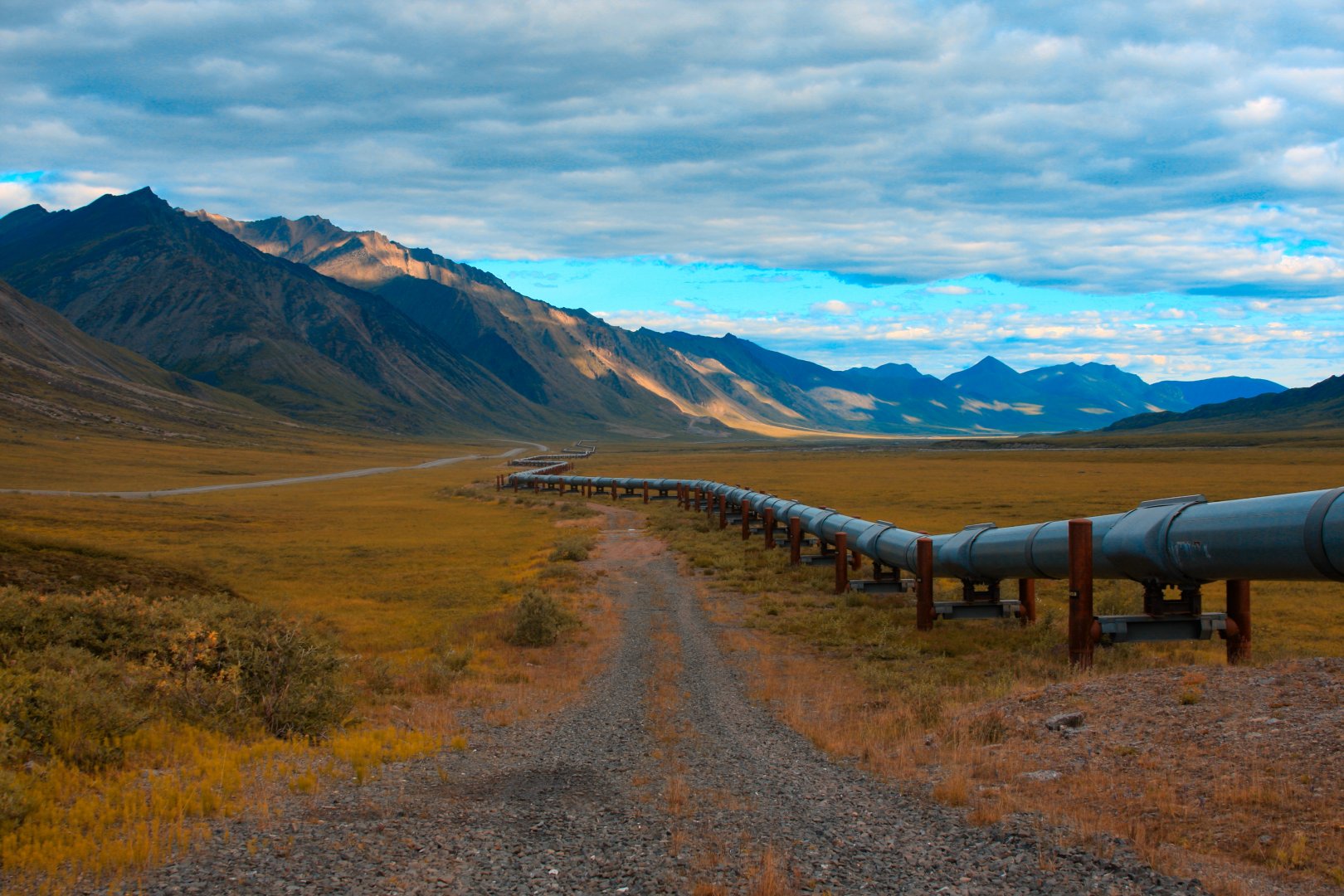
Layihə Türkmənistandan Əfqanıstana, Pakistana və Hindistana ildə 33 milyard kubmetrə qədər qaz tədarük etmək üçün nəzərdə tutulub və onun resurs bazası Qalkinış yatağıdır. Hindistan üçün layihə qaz tələbatının uzunmüddətli artımı və onun idxal bazasının genişləndirilməsi ehtiyacı fonunda xüsusilə vacibdir. Trend yanvar ayında dərc olunan "Türkmən qazı Asiya üçün: TAPI-nin rolu" adlı analitik məqaləsində artıq bu prosesləri araşdırıb və qeyd edib ki, Hindistanda artan qaz istehlakı və dəniz enerjisi təchizatı ilə bağlı artan geosiyasi qeyri-müəyyənlik ölkənin TAPI-yə marağını artıra bilər.
Buna görə də, mövcud vəziyyət qlobal enerji bazarlarında artan zəifliklər fonunda əlavə təcil qazanan həmin tendensiyanın davamı kimi qiymətləndirilə bilər. Bu fonda Mərkəzi Asiyadan Cənubi Asiyaya quru marşrutu istehlakçı ölkələr üçün əlavə dəyər qazanır, çünki onun fəaliyyəti Hörmüz boğazından keçən tankerlərin daşınmasından asılı deyil. Bu mərhələdə TAPI başqa bir problemlə üzləşir - kommersiya məsələsi.
Avqustun 10-da Qurbanqulu Berdiməhəmmədovun Əfqanıstana səfəri çərçivəsində “Afgan Gas” və “Türkmənqaz” dövlət şirkəti qaz alqı-satqısına dair memorandum imzalayıblar, lakin tərəflər hələ də qiyməti, tələbin həcmini və tədarükün ayrılması mexanizmini müəyyənləşdirməlidirlər. Həmin gün Əbdül Qani Baradar qazın qiyməti ilə bağlı uzunmüddətli razılaşmaya çağırıb və tərəfləri Avropa qaz bazarlarında kəskin dalğalanmaların tədarükün qiymətinə daha az təsir etməsi üçün qiymət düsturunu tənzimləməyə çağırıb. O, həmçinin müqaviləyə yenidən baxılması üçün çevik mexanizmin daxil edilməsini təklif edib.
Bu tələbin arxasında duran məntiqi anlamaq üçün bu gün Avropada qaz qiymətlərinin necə formalaşdığına baxmaq lazımdır. Əsas meyar Avropanın əsas qaz ticarət mərkəzi və qitənin əsas qaz qiymətinə istinad edən Hollandiya Title Transfer Facility (TTF)-dir. Orada qiymətlər topdansatış tələb və təklif əsasında formalaşır, ticarət gündən əvvəl çatdırılmaları, eləcə də aylıq, rüblük və daha uzunmüddətli müqavilələri əhatə edir.
Xülasə — davamını mənbədə oxuyun.