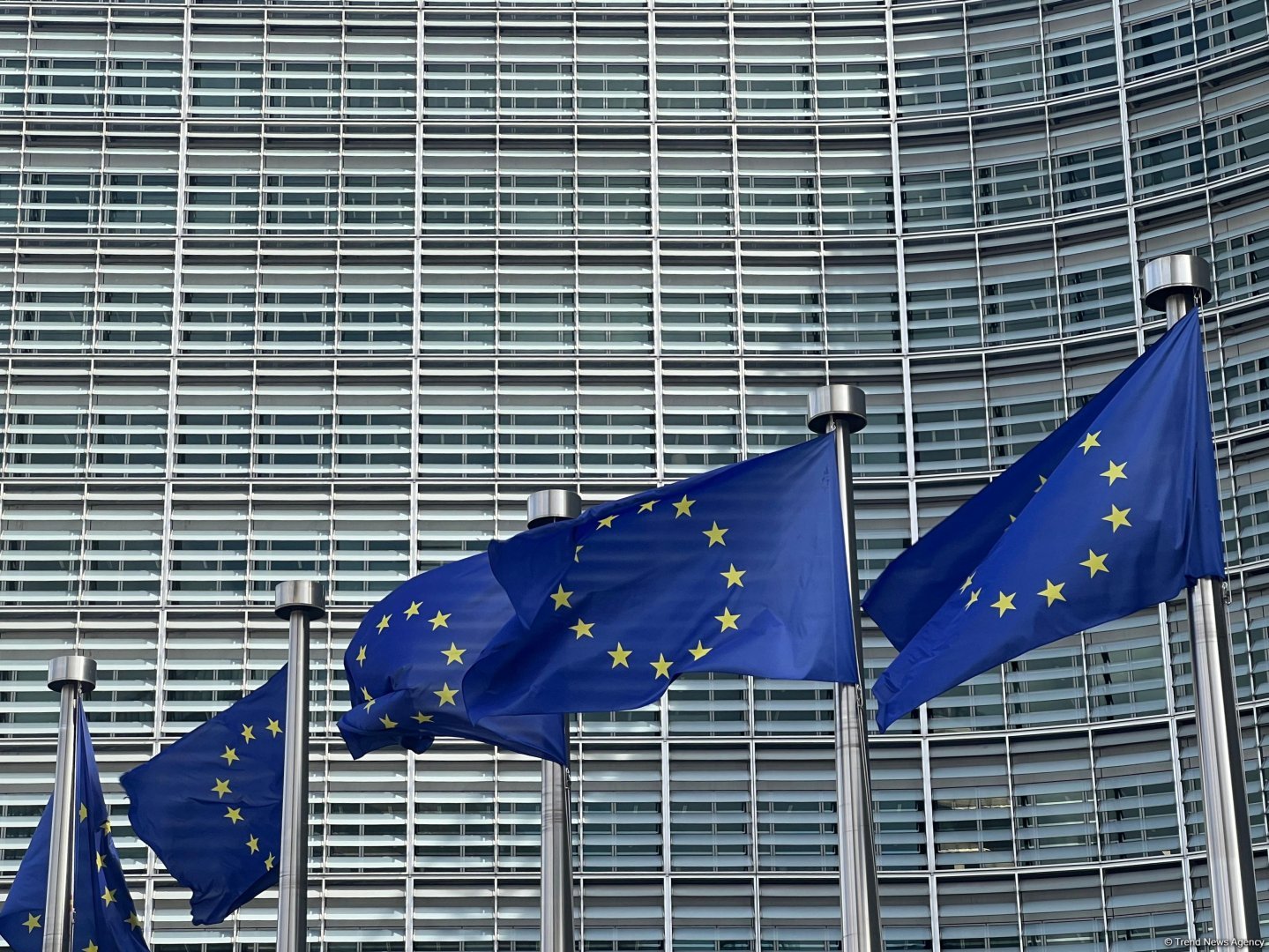
Regional inteqrasiyanın ən böyük nümunəsi statusuna baxmayaraq, Avropa İttifaqı daxili parçalanmalardan çox təsirlənir. Bunlar Aİ-nin strateji aktorluq axtarışını təhdid etməkdə davam edir, əsas məqsədi Brüsseli beynəlxalq səhnədə müstəqil qərar qəbul edən şəxs kimi qurmaq olan mürəkkəb prosesdir. Üzv dövlətlər arasında fikir ayrılıqları geniş miqyaslıdır və bir çox siyasət sahələrinə təsir göstərir.
İstər AB-nin hələ də inkişaf etməkdə olan genişlənmə gündəliyi, istərsə də onun Türkiyə kimi partnyorları ilə əlaqəsinin miqyası ilə bağlı üzv dövlətlərin fikir ayrılıqları Aİ-nin ən vacib və aktual məqamlarda çevik və strateji hərəkət etmək qabiliyyətini sarsıtmaq təhlükəsi yaradır. Müasir hadisələri xarakterizə edən gözlənilməzlik miqyasını və həmçinin Aİ-nin digər böyük qlobal güclərlə imkanlar fərqini aradan qaldırmaq üçün hələ də etməli olduğu əsasları nəzərə alsaq, bu qeyri-müəyyənlik Aİ-nin qlobal təsirini daha da zəiflətmək təhlükəsi yaradır. Aİ-nin aktorluğuna müntəzəm olaraq təyin olunan parçalanma iki əsas kateqoriyaya yerləşdirilə bilər.
Birincisi, müdafiə və təhlükəsizlik, genişlənmə və hətta miqrasiya da daxil olmaqla, Aİ siyasətinin bir sıra mühüm aspektləri üzrə əsas üzv dövlətlər arasında strateji fikir ayrılığına aiddir. İkinci amil Aİ-nin bir qurum kimi ümumi kursunu və xarakterini dəyişə biləcək aparıcı Aİ ölkələrindəki daxili dinamikaya aiddir. Mövcud siyasət məsələləri üzrə əsas üzvlər arasında mövcud fikir ayrılıqlarına əlavə olaraq, Aİ aparıcı aktorlarının yaşadığı daxili siyasi qeyri-müəyyənlik qarşısında eyni dərəcədə çətin uzunmüddətli maneələrlə üzləşir.
Bu, Aİ-nin əsas liderləri arasında davam edən fikir ayrılıqları qədər tanınmağa layiqdir. Üzv dövlətlər arasında fikir ayrılıqları bir sıra sahələri əhatə etməkdə davam edir. Aİ-nin aktor statusu üçün ən diqqətəlayiq və ardıcıl nümunələrdən biri onun üzv olmayan, lakin geniş şəkildə əvəzolunmaz tərəfdaşlar hesab edilən dövlətlərlə münasibətləridir.
Türkiyə ilə əlaqələr faydalı və bariz nümunədir. Bir neçə ildir ki, Aİ və onun üzv dövlətləri Ankara ilə münasibətlərinə dair yekdil və dəqiq mövqe bildirmək üçün mübarizə aparırlar. Brüsseldəki rəsmilər Ankaranın Avropa qitəsi üçün strateji əhəmiyyətini açıq şəkildə tanısalar və daha sıx əlaqələrə dəstək versələr belə, açıq-aydın görünür ki, bu, hələ də istifadə olunmamış potensiala malik olan əlaqələr olaraq qalır.
Transatlantik münasibətlərdə dinamikanın dəyişməsi və ABŞ-ın NATO-dakı roluna yenidən baxması Aİ-ni bəzi digər mühüm əlaqələrini yenidən araşdırmağa çağırıb. Buna baxmayaraq, Türkiyə vəziyyətində bu, ardıcıl strategiyaya uyğun olaraq baş vermədi. Məsələn, 1995-ci ilin dekabrında qüvvəyə minəndən sonra heç bir dəyişiklik və təkmilləşdirməyə məruz qalmayan Aİ-Türkiyə Gömrük İttifaqı münasibətlərin onurğa sütunu olaraq qalır.
Xülasə — davamını mənbədə oxuyun.