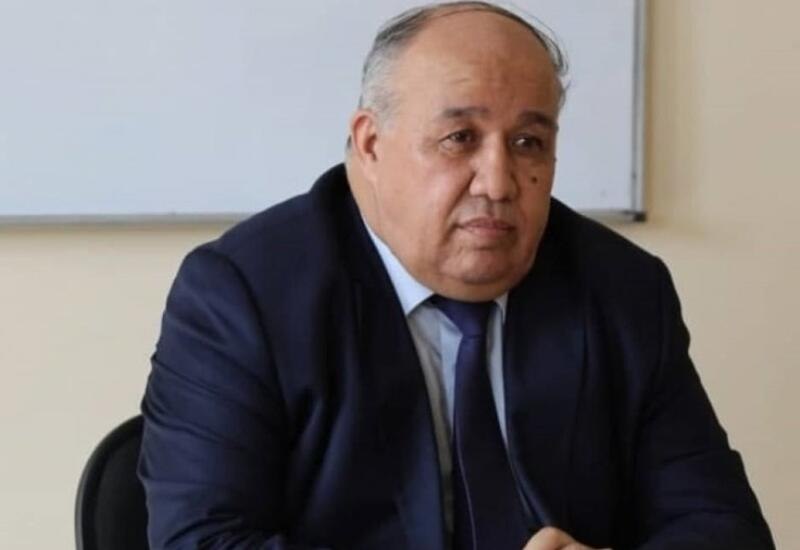
Özbəkistan və Azərbaycanın iqtisadi əməkdaşlığı dərinləşdirmək üçün əhəmiyyətli potensialı var, eyni zamanda onların logistik şəbəkələrinin daha sıx inteqrasiyası Orta Dəhlizinin tranzit marşrutu kimi cəlbediciliyini artıra bilər. Bunu Trend-ə müsahibəsində özbək politoloqu, siyasi elmlər doktoru Sayfiddin Jurayev deyib. Ekspertin sözlərinə görə, Özbəkistan-Azərbaycan münasibətləri keyfiyyətcə yeni inkişaf mərhələsinə qədəm qoyub, potensialı ikitərəfli ticarətdən çox-çox kənara çıxıb.
Bu gün münasibətlərimiz özünün ən yüksək səviyyəsinə - müttəfiqlik səviyyəsinə çatıb və tamamilə yeni əhəmiyyət kəsb edib”, - deyən Juraev qeyd edib ki, sənaye kooperasiyası, energetika, avtomobil sənayesi, kənd təsərrüfatı və investisiyalar ətrafında daha dərin iqtisadi əlaqələr qurulmalı, nəqliyyat əlaqəsi isə bu sektorları birləşdirən əsas elementə çevrilib. Növbəti illərdə qarşıda duran vəzifə iqtisadi əməkdaşlığı əhəmiyyətli dərəcədə genişləndirməkdən ibarətdir”.
Onun sözlərinə görə, ən perspektivli istiqamətlərdən biri xammal və hazır məhsul ticarətindən kənara çıxaraq inteqrasiya olunmuş istehsal dəyər zəncirlərinin yaradılmasına doğru irəliləməkdir. O, enerji və neft-kimya sahələrini bu əməkdaşlığın əsasına çevrilə biləcək sektorlar kimi müəyyən edib. Bura 2016-cı ildən fəaliyyət göstərən “Neftqaztexnologiya” müştərək müəssisəsi və SOCAR və “Özbəkneftqaz”ın 2024-cü ildə yaratdığı və Özbəkistana yüksək təzyiqli polietileni ixrac edən “Turan Energetika APESCO” daxildir.
Yeni tendensiya xammal ticarətindən polietilen, polimerlər və digər qaz-kimya məhsullarının birgə istehsalına keçir”, - deyə Juraev vurğulayıb.O, vurğulayıb ki, iki ölkənin sənaye güclərinin birləşdirilməsi ixracyönümlü istehsal şəbəkələri üçün zəmin yaradır.Birgə neft-kimya dəyər zəncirləri sadə ticarətin edə bilmədiyi faydaları təmin edir – yerliləşdirilmiş dəyər yaradılması, texnologiya transferi, üçüncü bazar imkanları”.
Juraev, həmçinin bərpa olunan enerjini transformasiya potensialına malik digər sahə kimi qeyd edib və qeyd edib ki, Azərbaycan, Qazaxıstan və Özbəkistan tərəfindən inkişaf etdirilən Yaşıl Dəhliz enerji sahəsində əməkdaşlığı transregional səviyyəyə qaldıra bilər. Bu, Avropanın karbonsizləşdirilmiş elektrik enerjisinə tələbatı və Xəzər dənizi boyunca və Qara dəniz vasitəsilə sualtı kabel infrastrukturunun inkişafı ilə bağlıdır. Bu, kapital tutumlu, uzunmüddətli layihədir, lakin bu, əhəmiyyətli dərəcədə daha böyük həcmdə xarici maliyyələşdirməni cəlb etməyə və enerji əməkdaşlığını ikitərəflidən transregionala çevirməyə qadir olan təşəbbüslərdir”.
Ekspert hesab edir ki, avtomobil sektoru da oxşar imkanlar təqdim edir. Növbəti mərhələ Xəzər logistikasından istifadə etməklə, komponentlərin istehsalı və üçüncü bazarlara, o cümlədən Yaxın Şərq, MDB ölkələri və İrana birgə ixraca doğru irəliləyir”, - Jurayev qeyd edib. O əlavə edib ki, Özbəkistan böyük sənaye bazası və UzAuto-nun istehsal təcrübəsini gətirir, Azərbaycan isə həm bazar, həm də beynəlxalq bazarlara çıxış yolu kimi xidmət edə bilər.
Xülasə — davamını mənbədə oxuyun.