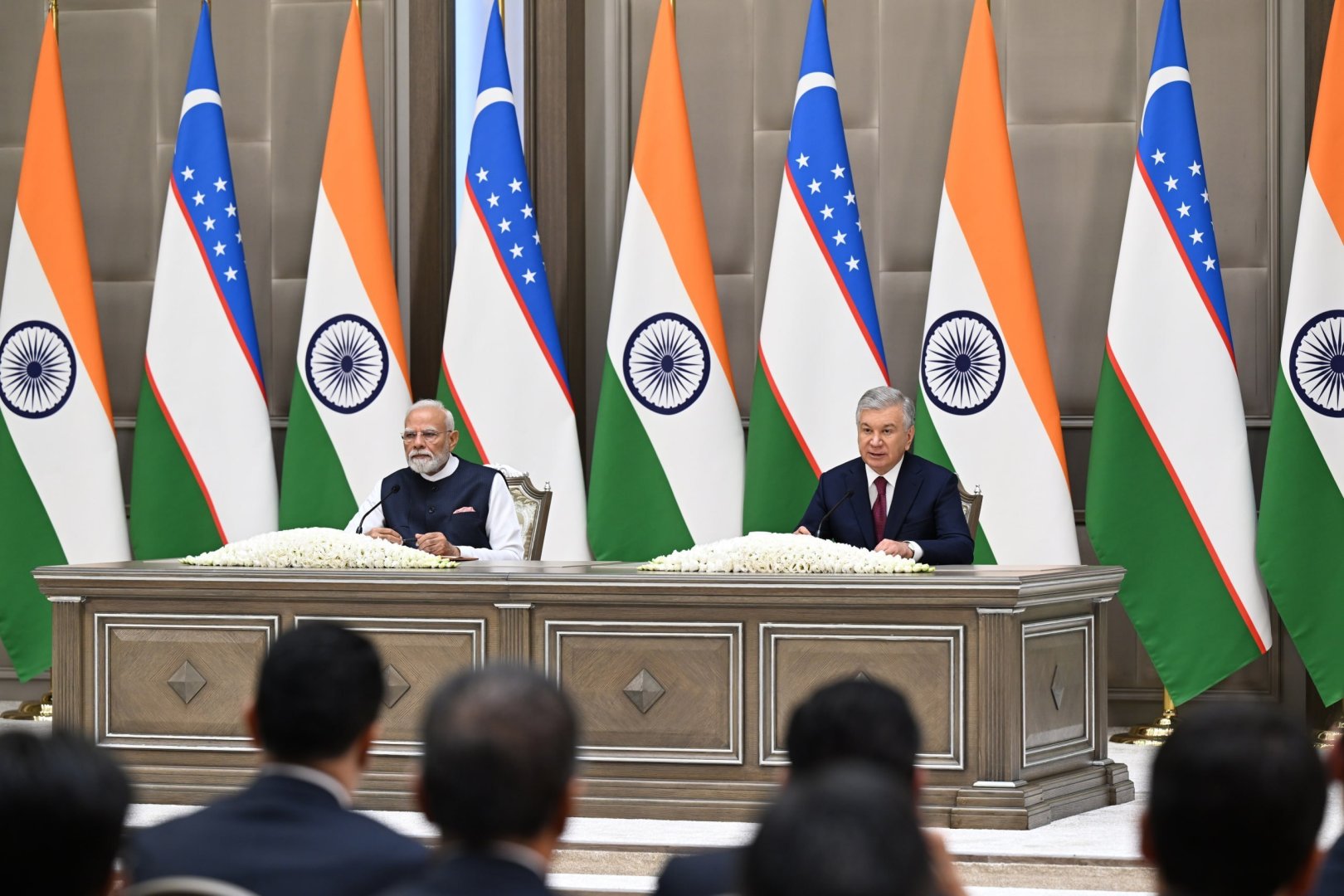
Özbəkistan və Hindistan 2030-cu ilə qədər ikitərəfli ticarəti 5 milyard dollara çatdırmağı, eyni zamanda enerji, kritik minerallar, səhiyyə, əczaçılıq, elektronika, maşınqayırma, zərgərlik və kənd təsərrüfatı sahələrində əməkdaşlığı genişləndirməyi hədəfləyiblər. Bu, Özbəkistan prezidentinin mətbuat xidmətinin bəyanatında öz əksini tapıb. Prezident Şavkat Mirziyoyev və Hindistanın Baş naziri Narendra Modi media nümayəndələri ilə görüş zamanı danışıqların yekunlarını müzakirə edərək, Modinin Özbəkistana səfərinin iqtisadi və strateji əhəmiyyətini vurğulayıblar.
Mirziyoyev səfəri tarixi adlandırıb və danışıqların iki ölkə arasında “səmimi dostluq, qarşılıqlı hörmət və etimadı” nümayiş etdirdiyini bildirib. O, həmçinin Hindistanın rəqəmsal texnologiyalar, proqram təminatı və startaplar, Özbəkistanın öz iqtisadi modernləşməsi üçün getdikcə vacib hesab etdiyi sahələrdə əldə etdiyi nailiyyətləri yüksək qiymətləndirib. İqtisadi əməkdaşlıq müzakirələrdə əsas diqqət mərkəzində olub.
Keçən il ikitərəfli ticarət 33% artaraq 1,3 milyard dollara çatıb və iki lider 2030-cu ilə qədər əhəmiyyətli dərəcədə yüksək ticarət hədəfini 5 milyard dollara çatdırmaq barədə razılığa gəliblər. Səfər zamanı həmçinin bir sıra iri Hindistan şirkətləri ilə konkret razılaşmalar əldə olunmaqla əsas birgə investisiya layihələri portfeli hazırlanıb. Hər iki tərəf enerji, kritik minerallar, səhiyyə, əczaçılıq, elektronika, maşınqayırma, zərgərlik istehsalı və kənd təsərrüfatı sahələrində yeni inkişaf sahələrini müəyyənləşdirdi.
İki ölkə, həmçinin BMT, Şanxay Əməkdaşlıq Təşkilatı, Qoşulmama Hərəkatı və BRİKS daxil olmaqla beynəlxalq və regional təşkilatlarda qarşılıqlı dəstəyi saxlamaq, həmçinin Qlobal Cənub ölkələri ilə əməkdaşlığı gücləndirmək barədə razılığa gəliblər. İnsanlar arasında əlaqələrin də genişlənəcəyi gözlənilir. Hazırda Özbəkistanda dörd Hindistan universiteti, Lal Bahadur Şastri və Mahatma Qandi mərkəzləri isə öz fəaliyyətini davam etdirir.
Özbəkistanın Hindistan vətəndaşları üçün 30 günlük vizasız rejimi və iki ölkə arasında həftədə 14 uçuş həyata keçirməsinin turizmin daha da böyüməsini dəstəkləyəcəyi gözlənilir. 5 milyard dollarlıq ticarət hədəfi dörd il ərzində cari ikitərəfli ticarəti üç dəfədən çox artırmaq üçün iddialı səyləri əks etdirir. Buna nail olmaq, çox güman ki, təkcə mal ticarətinin yüksəldilməsini deyil, həm də investisiya, sənaye əməkdaşlığı və xidmət sahələrində əhəmiyyətli artım tələb edəcək.
Kritik minerallara, enerjiyə və texnologiyaya vurğu əlaqələrə daha güclü iqtisadi təməl verə bilər, Hindistanın artan əlaqəsi isə Daşkənd ticarət və investisiya əlaqələrini şaxələndirməyə davam edərkən Özbəkistanı daha bir əsas Asiya tərəfdaşı ilə təmin edir. Razılaşmaları ölçülə bilən nəticələrə çevirmək üçün Mirziyoyev bildirib ki, Özbəkistan səfər zamanı əldə edilmiş razılaşmaların həyata keçirilməsi üçün hərtərəfli “Yol xəritəsi” hazırlayacaq. Daha geniş rəqəmlər həm də ənənəvi ticarətdən kənarda genişlənən əlaqələrə işarə edir.
Xülasə — davamını mənbədə oxuyun.