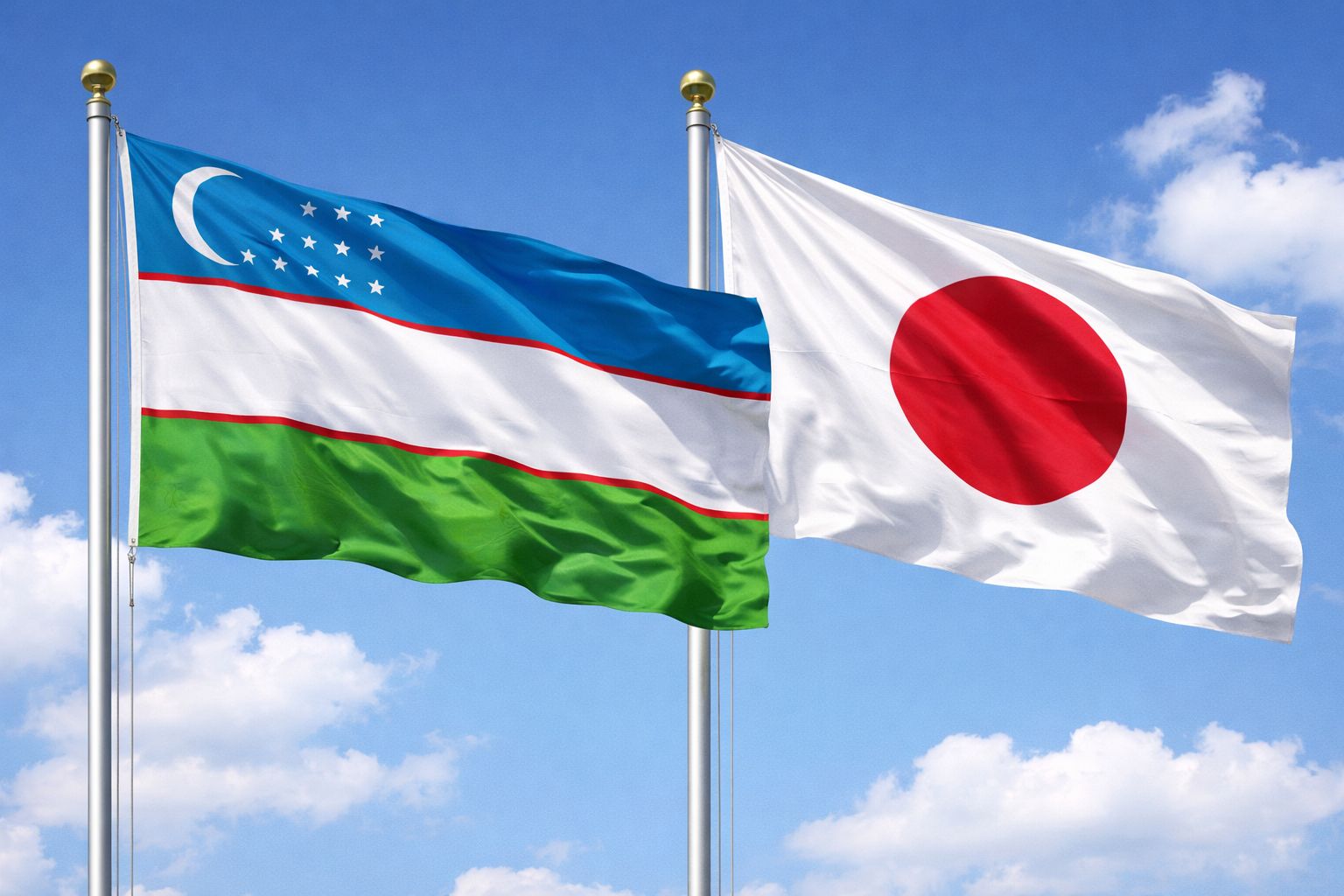
Özbəkistan və Yaponiya Mərkəzi Asiyadakı şəhərlərin iqlim dəyişikliyinə və təbii fəlakətlərə qarşı dayanıqlığını gücləndirmək üçün tədbirləri müzakirə ediblər, diqqət mərkəzində erkən xəbərdarlıq sistemləri, fəlakətlərə hazırlıq və riskə əsaslanan şəhər planlaşdırması. Bu, Özbəkistanın Ekologiya və İqlim Dəyişikliyi üzrə Milli Komitəsinin bəyanatında əksini tapıb. Yüksək səviyyəli dialoq Daşkənddə Birləşmiş Millətlər Təşkilatının İnkişaf Proqramı (BMTİP) və Yaponiyanın Torpaq, İnfrastruktur, Nəqliyyat və Turizm Nazirliyi (MLIT) tərəfindən Yaponiya hökumətinin dəstəyi ilə həyata keçirilən BMT İnkişaf Proqramının iki regional layihəsi çərçivəsində təşkil olunub.
İqlim adaptasiyasının şəhərsalma prosesinə inteqrasiyası və fəlakət riskinin azaldılması üzrə regional əməkdaşlığın gücləndirilməsi müzakirə olunan müzakirələrdə hökumət rəsmiləri, Yaponiya və Özbəkistan tərəfdaşları və ekspertlər iştirak ediblər. Özbəkistan Prezidentinin ekologiya üzrə müşaviri, Ekologiya və İqlim Dəyişiklikləri üzrə Milli Komitənin sədri Aziz Abduhakimov fəlakət riskinin azaldılması, erkən xəbərdarlıq sistemləri və davamlı şəhər inkişafı sahəsində Yaponiya ilə daha sıx əməkdaşlığın vacibliyini qeyd edib. Yaponiyanın Torpaq, İnfrastruktur, Nəqliyyat və Turizm üzrə Dövlət Naziri Hajime Sasaki Yaponiyanın fəlakətlərə hazırlıq və dayanıqlı infrastruktur sahəsində təcrübəsini bölüşməyə hazır olduğunu bildirib.
Müzakirələr seysmik təhlükəsizlik, daşqınlara hazırlıq və şəhərin inkişafına risk əsaslı yanaşmaları əhatə edib. Yaponiyalı ekspertlər fəlakətlərə qarşı mübarizə sahəsində təcrübələrini təqdim ediblər, Özbəkistan nümayəndələri isə Daşkənd və Namanqan şəhərlərində həyata keçirilən tədbirləri açıqlayıblar. Fövqəladə hallar nazirinin müavini Xurşid Sotiyev bildirib ki, erkən xəbərdarlıq sistemləri, seysmik təhlükəsizlik və risk yönümlü şəhərsalma birbaşa ictimai təhlükəsizliklə bağlıdır və praktiki əməkdaşlıq tələb olunur.
Yaponiyanın Özbəkistandakı səfiri Kenji Hirata qeyd edib ki, fəlakət riskinin azaldılması, şəhərlərə davamlılıq və iqlim dəyişikliyi Mərkəzi Asiya Plus Yaponiya Dialoqu çərçivəsində əməkdaşlığın əsas istiqamətləri kimi müəyyən edilib. BMT İnkişaf Proqramının Özbəkistandakı Rezident Nümayəndəsi Akiko Fujii sürətli urbanizasiya ilə yanaşı, şəhərin davamlılığına sərmayə qoyulmasının vacibliyini vurğuladı. O qeyd edib ki, Özbəkistanın ilk iqlim və fəlakət riski profili Namanqana diqqət yetirməklə hazırlanıb.
Dialoq institusional potensialın gücləndirilməsi, erkən xəbərdarlıq sistemlərinin təkmilləşdirilməsi və fəlakət riskinin azaldılması və iqlimə davamlılıq üzrə regional əməkdaşlığın dərinləşdirilməsi üzrə birgə tövsiyələrlə yekunlaşıb. Mənbə: https://www.trend.az/casia/uzbekistan/4215281.html © 2026 Trend İnformasiya Agentliyi.
Xülasə — davamını mənbədə oxuyun.