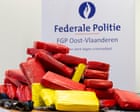
2021-ci ilin iyun ayında Dendermonde federal polisinin Şərqi Flandriya stansiyasında təxminən 200 kq ağırlığında kokain. ŞəkillərAirbnbBrütselin Vanskins Brusselenni deyir ki, Airbnb tipli kirayələri narkotik zibilxanası kimi istifadə edən qruplar, Belçikanın yüksək rütbəli rəsmisi deyir ki, çevik qısamüddətli sifarişlər narkotiklərin saxlanması və qablaşdırılması, silah və nağd pulların saxlanması üçün istifadə olunur. 11 Avqust 2026 09.47 CESTSon dəfə 11 Avqust 2026-cı ildə dəyişdirildi 10.28 CESTShare Airbnb tipli qısamüddətli kirayələr cinayətkar dəstələr tərəfindən pul, narkotik, silah və insanlar üçün zibilxana kimi istifadə olunur, Belçikanın narkotik ticarəti ilə mübarizə üzrə aparıcı rəsmisi deyib. Belçikanın milli narkotik komissarı İne Van Wymersch, mütəşəkkil cinayətkarlığı asanlaşdırmaq üçün “böyük dərəcədə” dedi. Səlahiyyətlilərin problemin miqyası barədə dəqiq təsəvvürləri yox idi, lakin cinayətkarlar qısa müddətli sifariş platformalarının təklif etdiyi çeviklikdən istifadə edirdilər, o, Guardian-a dedi. “Sizə limandan yükü götürmək üçün kimsə lazımdır.
Yaxşı, bir Airbnb mənzil və ya studiyasını üç gün müddətinə icarəyə götürə bilərsiniz. Əgər qayıq Antverpenə gəlmirsə, Marselə gedirsə, pulsuz ləğv edilir."O, qısa müddətli icarə şirkətlərinin "çox yaxşı qanuni məqsədinin" olduğunu, lakin cinayətkarlar tərəfindən sui-istifadə edilməməsi üçün daha möhkəm olması lazım olduğunu söylədi. Antverpen limanı, kokain üçün Avropanın əsas qapılarından biridir. Avqust ayında polis Brüsselin mərkəzində Airbnb-də kirayəyə götürdüyü və narkotik maddələrin saxlanması və qablaşdırılması üçün istifadə edildiyi güman edilən bir mənzildən 3,3 kq kokain və 4,845 avro (4,140 funt sterlinq) nağd pul ələ keçirdi.
2024-cü ildə Belçika və Böyük Britaniya arasında genişmiqyaslı narkotik ticarəti əməliyyatında iştirak etdiklərinə görə 11 nəfər məhkum edildikdə, Qərbi Flandriyanın Staden şəhərində bir Airbnb kirayəsindən 21 milyon avro dəyərində narkotiklərin müsadirə edildiyi məlum oldu. Airbnb-nin Belçikadakı nümayəndəsi şərh verməkdən imtina etdi, lakin Guardian-a Eirbnb-in Fransa menecerinin Fransadakı son açıqlamalarını yönləndirdi. Benelux.O De Staandard-a dedi ki, bu cür cinayət sifarişləri şirkətin hər il emal etdiyi milyonlarla insan arasında həddindən artıq azlığı təmsil edir. Onun sözlərinə görə, hər bir iş həddən artıq çoxdur və şirkət şübhəli sifarişləri müəyyən etmək üçün süni intellektdən istifadə də daxil olmaqla müxtəlif tədbirlər görüb. Onun sözlərinə görə, problemli kirayəçilər barədə hesabatlar həmişə polisə və yerli hakimiyyət orqanlarına bildirilir. Qısa müddətli icarə mütəşəkkil cinayətkarların həyatını asanlaşdıran müasir iqtisadiyyatın yalnız bir aspektidir. Van Wymersch anonim e-poçt hesablarının yaradılmasının asanlığını, şifrələnmiş kommunikasiyaları, kriptovalyutanı və bağlamaların çatdırılmasının hər yerdə olduğunu qeyd edib.
Müsadirə Britaniya kəşfiyyatının Antverpen istiqamətində iri narkotik daşımaqda şübhəli bilinən konteyner gəmisini müəyyən etdikdən sonra edilib. yardım çatdıran firmalar da mütəşəkkil cinayətkarlığın vasitəçiliyi ilə bağlı "çox risk altındadırlar", çünki "qonşunuzun evində ağ furqonun dayandığını və ... kiçik bir qutunun təhvil verildiyini görəndə bu artıq şübhəli bir vəziyyət deyil". Van Wymersch 2023-cü ildə Belçikanın ilk milli narkotik komissarı oldu. kokain.Onun təyinatı narkotiklə qaynaqlanan zorakılıq və təhdid dalğasının ardınca getdi. 2022-ci ildə Belçikanın o vaxtkı ədliyyə naziri onu qaçırmaq planının üstü açıldıqdan sonra polisin himayəsi altında yaşamalı oldu. Antverpen çoxsaylı qumbaraatan hücumlarına və rəqib narkotik qrupları arasında münaqişənin qurbanı olan 11 yaşlı qızın ölümcül güllələnməsinə tab gətirdi. Keçən il dörd ay təhlükəsiz evdə yaşamaq məcburiyyətində qalan anonim bir müstəntiq hakimi Belçikanın Van dövlətinin narkomaniyaya qarşı sərt reaksiyası ilə narkotik mənşəli dövlətə çevrilmək riski ilə bağlı xəbərdarlıq etdi. Wymersch.
O, əvvəlki fikri ilə razılaşdı, dedi ki, “bir şey etməsək, narko dövlətə çevrilmək riski altındayıq... burada kimin yaxşı və kimin pis olduğunu daha bilmirsiniz”. Onun prioriteti cinayətkar pulun dalınca gedir: “Bu çoxbaşlı canavarın yalnız bir ürəyi var və bu da puldur.” Onun strategiyası gecə dükanlarını, dırnaq dükanlarını və ya dırnaq ustalarını hədəf almaq deməkdir. pul. Onun yerli hakimiyyət orqanlarına mesajı ondan ibarət idi ki, onların məhəllələrindəki “qeyri-adi dükanı” yoxlamaq və araşdırmaq lazımdır: “Bu vacibdir, çünki bütün bu kiçik bizneslər bir böyük şəbəkədir”. Həftəlik Qeydiyyatdan Keçin Bu Avropadır Avropalılar üçün ən aktual hekayələr və müzakirələr – şəxsiyyətdən iqtisadiyyata qədər, ən son Nəzərdən keçirin. Sonuncu e-poçtunuzu daxil edin. Xəbər bülleteni tanıtımından sonra qeydiyyatdan keçin. O, cinayətkar dəstələrin keçmişin “böyük çirkli pulların yuyulması tikintilərindən” istifadə etmək əvəzinə, kiçik biznesi istismar edərək iş rejimini dəyişdiyini söylədi. Cinayətkarların "daha hansı şəbəkəyə aid olduqlarını bilmədiklərini" daha sərbəst anonim şəbəkələrə etibar edərək, o əlavə etdi. Qanunsuz fəaliyyətlər çirkli pulların yuyulması, silahların alınması və ya istifadəsi üzrə ixtisaslaşan müxtəlif dəstələrə verilir.
Xülasə — davamını mənbədə oxuyun.