Hökumət Rosebank və Jackdaw yataqlarında yeni hasilatın təsdiq edilib-edilməməsi ilə bağlı mübahisəli qərarla üz-üzədir. Yeni bir iş nə qədər fərqli ola bilər. Bu, Fahnbullehin dörd il əvvəl bunu dərc edərkən hətta deputat olmamasının onun əlamətdar yüksəlişinin sübutudur.
Bu gün o, kabinetdədir, yeni hökumət üçün gözlənilən ən çətin və potensial mübahisəli suallardan biri ilə üzləşir (yaxud ən azı onun simasıdır): qazmaq və ya qazmamaq, balam? İki sayt şiddətli müzakirələrin mərkəzindədir. Dünən, onlardan birində - Jackdaw-da hasilatın yaşıl işıqlandırılması ilə bağlı ictimai məsləhətləşmə bağlandı. Gələn bazar ertəsi, digər Rosebank üçün də eyni olacaq.
Andy Burnham vəzifəyə gəldikdən bəri iqlim böhranı barədə susur. Biz daha bir isti dalğasına girdiyimiz zaman onun hökumətinin bundan sonra görəcəyi işlər məsələ ilə bağlı niyyətin müəyyənedici siqnalı olacaq. Bəs hasilat əslində nə demək olardı və Fahnbulleh üçün neçə variant açıqdır? Bu, səhər başlıqlarının xülasəsindən sonra bugünkü Birinci Buraxılışın mövzusudur. Beş böyük hekayə Kolumbiya | Kolumbiyanın qərbində baş verən güclü zəlzələdən sonra Kali və Pereyra da daxil olmaqla böyük şəhərlərdə çoxlu binanın çökməsi və ciddi ziyan vurması nəticəsində 100-dən çox insan həlak olub.
Böyük Britaniya hava | İngiltərənin demək olar ki, dörddə üçü indi quraqlıq içindədir, daha dörd bölgə rəsmi olaraq elan edilib və Avropanın çox hissəsi bu yay beşinci iqlim böhranı ilə bağlı isti dalğasına hazırlaşır. Cinayət | Polis keçmiş İslahatçılar Partiyası və Mühafizəkar siyasətçi Ann Widdecombe-nin qətlində ittiham olunan Coşua Kerrinin ötən il Londonda Naycel Farajın o vaxtkı evində oğurluğa cəhddə hər hansı rolunun olub-olmadığını araşdırır. Çin | Güclü Delfin Tayfunun leysan yağışının daşqın və torpaq sürüşməsinə səbəb olacağı qorxusu ilə sahilə çıxması nəticəsində bazar günü axşam saatlarında bir milyondan çox insan Çinin şərqində təhlükəsiz ərazilərə köçürülüb.
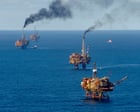
Ukrayna | Ali məhkəmə kiçik bir Kremlpərəst millətçi partiyanın iddiasını təmin etdikdən və seçiciləri seçki bülletenində son seçimindən məhrum etdikdən sonra sentyabr ayında keçirilən seçkilərdə Rusiya müharibə əleyhinə səs verməyi qadağan etdi: ölkənin yeganə müharibə əleyhdarı partiyası olan Yabloko. Dərinlikdə: İki yataq, bir çox böyük qərar Kampaniyaçılar neft və qaz qazmasının karbon emissiyalarını artıracağını, lakin enerji xərclərini azaltmaq və uzunmüddətli enerji təhlükəsizliyini yaxşılaşdırmaq üçün çox az iş görəcəyini iddia edirlər. Tel/Shutterstock Tez-tez bir-birinə yığılsa da, Rosebank və Jackdaw bir-birindən yüzlərlə mil məsafədə olan iki ayrı sahədir. Rosebank Şetland sahilindən 80 mil aralıda təklif olunan yeni neft yatağıdır və tərkibində 300-500 m barel neft var.
Bu, Böyük Britaniyanın ən son işlənməmiş neft sahəsidir. Rosebank-da cari tələbatın təxminən 1%-nə bərabər olan qaz da var. Jackdaw Aberdindən 150 mil şərqdə yerləşən qaz yatağıdır. Əgər işləyə bilərsə, o, ehtimal ki, gündə təxminən 40,000 barel neft ekvivalenti (bpd) hasil edə bilər ki, bu da pikdə Böyük Britaniyanın Şimal dənizində qaz təchizatının 6%-nə bərabərdir.
Xülasə — davamını mənbədə oxuyun.