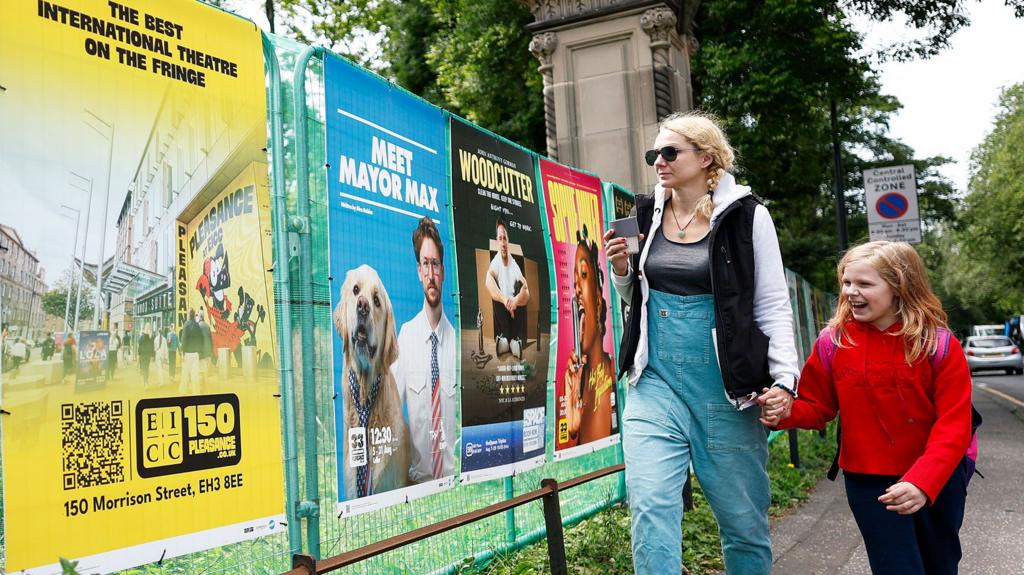
Edinburq festivalları nə dərəcədə münasibdir? icken, BBC ScotlandNəşr edilib11 Avqust 2026Yenilənib 12 Avqust 2026Edinburq festival şəhərinə çevrildiyi üçün hər yay dünyanın ən böyük mədəni tədbirlərinə ev sahibliyi edir. Şotlandiyanın paytaxtı Fringe, Beynəlxalq Festival və Hərbi Tatua ev sahibliyi edir, Avqustda film, incəsənət və kitab festivalı zamanı heç bir şey yoxdur. yeni – lakin son illərdə onun yay festivallarında iştirakın bahalaşması ilə bağlı artan narahatlıqlar müşahidə olunur. Beləliklə, şəhər tamaşalar və tamaşaçılar üçün nə dərəcədə əlverişlidir? BBC Scotland festivala gələnlərin həqiqətən daha çox pul ödəyib-ödəmədiklərini görmək üçün bəzi əsas xərcləri təhlil edib. Artan xərclərin təsirini hiss edən Kaitlyn Smith festivallarda bir günün bahalaşdığını deyir Kaitlyn Smith 10 il əvvəl Orkneydən Edinburqa köçəndən bəri hər il Fringe-də iştirak edir. bir gün ərzində çıxış etdi. 25 yaşlı gənc dedi ki, bu xərc yerli insanların tam festival təcrübəsi əldə etməsi üçün "ən böyük maneədir". "Fringe-də tam bir gün keçirsəniz, gündə 100 və ya 200 funt sterlinq xərcləyə bilərsiniz" dedi. "Əgər tətilə gəlirsinizsə, Fringe-ə gəldiyinizi bilirsiniz. Fringe-i də sınamaq və etmək istərdim."Ancaq siz bir pint üçün £7 və ya 8 funt, yemək üçün £10 və ya £12 ödəyirsiniz - bu, bir yeməkdir.
Və bu, hətta şoular üçün biletlərinizdən başlamır."O əlavə etdi: "Məncə, şoular buna dəyər, amma böyük həcmdə görmək istəyirsinizsə, bunu edə bilməzsiniz."Şəhəri bu qədər bahalı edən nədir?
e, festivallar zamanı şəhərin məşhur istiqamətlərindən biridir, Edinburqdakı Greenside Venue-nin məkan direktoru Darren Neale BBC Şotlandiyaya bildirib ki, Fringe məkanının idarə edilməsi ilə bağlı demək olar ki, bütün xərclər illər ərzində əhəmiyyətli dərəcədə artıb. Son on ildə eksponent olaraq yüksələrək təkcə ifaçılar üçün deyil, həm də festivalı mümkün edən heyət və frilanserlər üçün problemlər yaratdı" dedi. "Son on ildə biz yaşayış qiymətlərimizin orta hesabla 300% artdığını gördük." O əlavə etdi: "Festivalın əlverişliliyi onun dünyanın ən böyük incəsənət festivalına çevrilməsinin səbəblərindən biridir və insanlar arasında ədalətli ödənişli tarazlıq var. canlı teatrı tamaşaçılara çatdırmaq."Yaşayış xərcləri nə qədər artdı? Avqust ayında qalmağa yer tapmağın qiyməti şəhər və festivalları üçün uzun müddətdir ki, problem idi. 2022-ci ildə Fringe satışlarının azalması yaşayış xərclərinin artması ilə izah edildi, lakin sonrakı illərdə satışlar bərpa edildi və keçən il 2,6 milyonu keçdi. "əlçatanlıq, əlçatanlıq və davamlılıq" ətrafında problemlər. Costar kommersiya daşınmaz əmlak məlumat qrupundan BBC Scotland ilə paylaşılan rəqəmlər göstərir ki, orta otel qiymətləri 2019-cu ildən bəri ildən-ilə artmaqdadır. 2025-ci ildə orta gündəlik otaq qiyməti 260 funt sterlinqdən bir qədər çox olub, əvvəlki avqustda 9% və COVID-dən əvvəlki səviyyələrdə isə 64% artım.
Müqayisə üçün Qlazqoda qiymət 110 funt sterlinq, Mançesterdə isə 81 funt sterlinq olub. Öz-özünə yeməkxanada qalmaq o qədər də ucuz deyil. Visit Britain rəqəmləri təklif edir ki, Edinburqda bir və ya iki nəfərin yatması üçün bütöv bir mülk icarəyə götürmək 2025-ci ilin avqust ayında ziyarətçilərə gündə 204,68 funt-sterlinqə başa gəlir. Qlazqoda qiymət 169,1 funt sterlinq olub. Manchester.Lakin, qısamüddətli icarənin qiyməti növündən - məsələn, əmlak daxilində şəxsi və ya ortaq otaqdan və ya bütün evi bron etməkdən - və insanların sayından asılı olaraq kəskin şəkildə dəyişə bilər. Bu il Edinburqda qalan ziyarətçilər həm də şəhərin yeni turist vergisini ödəməli olacaqlar - ilk beş gecə üçün ilkin rezervasiya dəyərinə əlavə 5% ödəməlidirlər. Keçən il Edinburq poçt kodu ilə insanlar tərəfindən 1,5 milyon bilet alınıb, 2024-cü ildə 1,4 milyon idi. Lakin şəhərdə yaşayanlar üçün yüksək mənzil xərcləri avqust ayı ilə məhdudlaşmır.
Milli Statistika İdarəsinin (ONS) məlumatları, xarici paytaxtda ölkədə ən yüksək orta kirayə qiymətləri ilə öyünür. Bəs biletlərin qiyməti? Son on ildə qiymətlərin dəyişib-dəyişmədiyini araşdırmaq üçün altı avqust festivalında ən ucuz biletin orta qiymətini təhlil etdik - 2016-2026-cı illərdən bəri təxminən 600.000 şou. son onillik. Bu rəqəm 10 il əvvəl orta dəyərin 14,17 funt sterlinq olduğu vaxtdan 1,37 funt sterlinq azdır. Real şərtlərə uyğun olaraq, ən ucuz biletin orta qiymətləri pandemiyadan əvvəl bir qədər yüksək idi, lakin ifaçılar, prodüser şirkətləri və məkanlar üçün artan qaimə xərclərinə baxmayaraq, 2021-ci ildən bəri ümumilikdə 12,75 funt sterlinq ətrafında qalıb. Edinburqda maraqlı mənzərə yaradın Rəqəmlər festivala görə də dəyişir. Son on ildə Edinburq Beynəlxalq Festivalında orta ən aşağı bilet qiyməti real ifadədə £19,83-dən £20-yə yüksəlib.Lakin Edinburq Festivalı Fringe-də real müddətli azalma olub, 14,17 funt sterlinqdən 12,80 funt-sterlinqə düşüb. Edinburq Beynəlxalq Kitab Festivalı və Edinburq Beynəlxalq Film Festivalında £14,17 ilə £12 arasında
Xülasə — davamını mənbədə oxuyun.