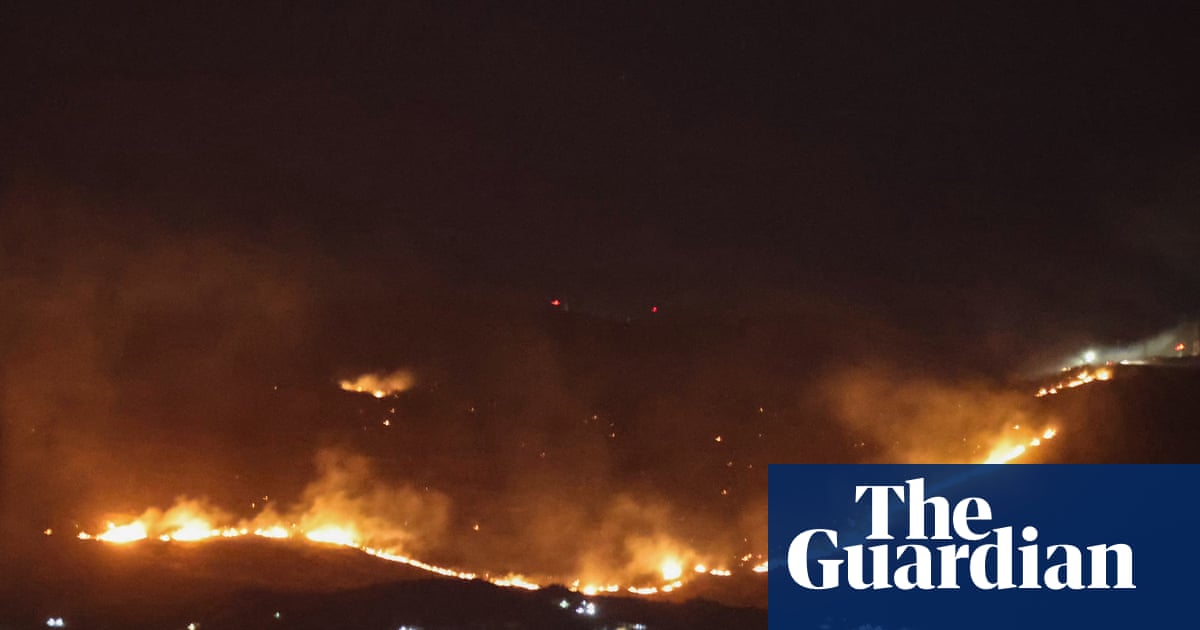
Meşə yanğınları atəşkəsə baxmayaraq, İsrailin bombardmanlarından sonra avqustun 5-də Livanın cənubundakı Kfar Şuba kəndinin kənarlarını əhatə edir. ŞəkillərLivanİsrail Livanın cənubunda qəsdən meşə yanğınlarına başladı, yanğınsöndürənlər deyirlər ki, fövqəladə xidmətlər, sakinlər və ətraf mühit qrupları Beyrutda meşələri və əkinləri məhv etmək üçün hərbi məşəllər atdığını deyirlər. Yanğınsöndürənlər və Cənubi Livanın sakinləri İsrail hərbçilərini İsrailin bombardmanları nəticəsində yaranan alovlarda meşəlik ərazilər yandığı üçün bölgədə meşə yanğınları yandırmaqda günahlandırıblar. Ətraf mühit qrupları son həftələrdə baş verən yanğınların İsrailin Livanın təbii mühitini hədəfə almaqla bağlı uzun müddətdir davam edən praktikasının bir hissəsi olduğunu bildiriblər. qığılcımlı alovlar. Yanğınsöndürənlər alovu söndürməyə cəhd edərkən, bir pilotsuz təyyarə yaxından vuruldu və onları geri çəkilməyə məcbur etdi, - deyə Nəbatiyyə bölgəsinin mülki müdafiə rəisi Hüseyn Fakih bildirib.
Cümə günü İsrail hərbi sursatları sərhədə yaxın olan Kfarçubada və Cezzine ilə qərb Bekaa vadisi arasındakı iki sıx meşəlik ərazidə böyük meşə yanğınları törədib. Ərazidəki mülki müdafiə məntəqəsinin rəisi Samir Hardan cümə günü günortadan sonra pilotsuz təyyarənin meşəlik ərazilərə döyüş sursatı atmasından sonra Kfarçuba yaxınlığında yanğının başladığını bildirib. Gecədə yanğınlarla mübarizə apardıqdan və şənbə günü onları söndürdükdən sonra ikinci pilotsuz təyyarə bazar günü daha bir yanğın törədib, Hardan deyib. Yanğınsöndürənlərdən Livan ordusu ilə hərəkətlərini koordinasiya etmələri tələb olunur. Onlara yanğınların tüğyan etdiyi digər ərazilərdə deyil, yalnız iki yerdə yanğınla mübarizə aparmaq icazəsi verilib. Ekoloji qrupların fikrincə, yanğınlar İsrailin Livanın ətraf mühitinə qarşı ölkənin meşəlik ərazilərini və dəstəklədikləri biomüxtəlifliyi təhdid edən hücumlarının bir nümunəsidir. Yaşıl cənublular təşkilatının qurucusu Hişam Yunes, Livan meşələrini mühafizə edən orqanlardır: palıdla yanaşı məhsuldar daş şam üstünlük təşkil edir.
Onlar kritik funksiyaları yerinə yetirirlər. Geniş ərazi həm də köçəri quşlar üçün mühüm keçid və istirahət yeridir”. İsrail tankları avqustun 2-də Livanın cənubundakı Zavtar əş-Şərqiyyə kəndindən keçir. ŞəkillərYounes İsrailin hücumlarını ekosid adlandırıb.
Bu ardıcıl təsirlər həm də yaşayış vasitələrini və insanların öz torpaqlarına qayıtmaq və orada qalmaq imkanlarını pozduqda, ətraf mühitin məhv edilməsi ərazinin özünün daha geniş şəkildə transformasiyası ilə ayrılmaz hala gəlir.” 8 oktyabr 2023-cü ildə Hizbullahın bir gün əvvəl Həmas-ın başçılıq etdiyi hücumla həmrəy olaraq İsrailə raketlər atması ilə başlayan döyüşlərdən sonra İsrail hərbçiləri Libyadakı meşələri dəfələrlə hədəfə aldığını bildiriblər. Hizbullah bu meşəlik ərazilərdən döyüşçüləri və tunelləri üçün pərdə kimi istifadə edib. Ekoloqlar və hüquq qrupları yanğınların və ətraf mühitin dağıdılmasının digər formalarının mülki əhaliyə daha geniş təsir göstərəcəyini bildiriblər. Son meşə yanğınları hadisələrinin hər biri ilə bağlı şərh almaq istəyərkən, İsrail ordusu əməliyyatlarının “İsrailin mülki vəziyyətini yumşaltmaq üçün ehtiyat tədbirləri görərkən aparıldığını” və ilk dəfə olaraq İsrailə zərər vermədiyini bildirib. 2024-cü ilin yayında İsrail əsgərlərinin Livanla sərhəd divarı üzərində alovlu dağıntılar atmaq üçün orta əsrlərə aid katapultlardan istifadə etdiyi bildirilir, Livan ordusu isə meşələri yandıran şlanqlar daşıyan İsrail pilotsuz təyyarələrinin fotolarını dərc edib. Livanın cənubundakı fermalarda xərçənglə əlaqəli herbisidlər. Bu yanğınların ekoloji və sağlamlıq nəticələri ilə yanaşı, Cənubi Livanın sakinləri böyüdükləri kəndlərdə yaşıllıqların itirilməsinə yas tutdular. Avqustun 1-də sərhəddə yerləşən Yaroun kəndinin məcburi köçkün sakinləri zeytun və meyvə bağlarını, eləcə də evlərini İsrail tərəfindən dağıdılıb.
İsrail hərbçiləri tərəfindən boşaldılmayan sərhədə yaxın bir neçə kənd arasında yaxınlıqdakı xristian şəhərləri olan Rmeich və Ain Ebeldə yaşayan insanlar yanğınların şəkillərini göndəriblər. Yaroun meri Hafez Ghasham dedi: “Onlar artıq bütün kəndi buldozerlə məhv etmişdilər.
Sonra ağacları yandırdılar. Bu xüsusi olaraq qalanlar a
Xülasə — davamını mənbədə oxuyun.