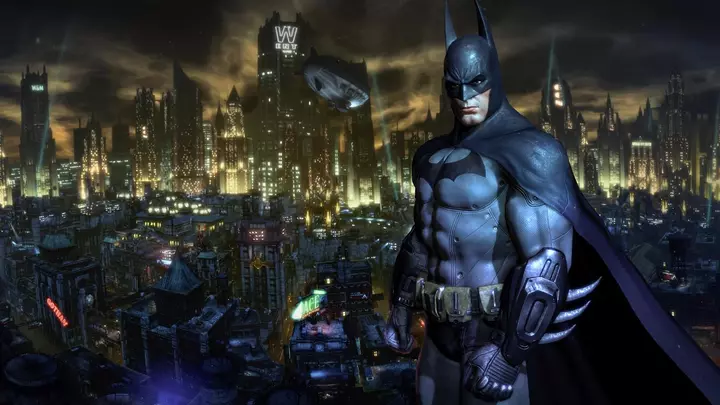
Batman: Arkham Asylum was released in 2009 at a time when superhero video games were usually relegated to being uninspired movie tie-ins. Some of them were good, like X-Men Origins: Wolverine, but most of them were either forgettable or downright bad. Arkham Asylum was something different — a superhero game based on an original idea from a renowned Batman writer, Paul Dini (Batman: The Animated Series).
It was great, and set the foundation for its even greater 2011 follow-up. Rocksteady’s Batman: Arkham City came out on Oct. 18, 2011. 15 years later, it’s still considered one of the best games around, and its influence can still be seen in other superhero games. It’s also undoubtedly the last universally beloved Batman game.
Compared to Arkham Asylum, Arkham City opens things up. Instead of being confined to the creepy corridors of the psychiatric hospital like in the first game, a whole section of Gotham becomes Batman’s playground for brutally maiming criminals within an inch of their lives. Random enemy encounters, fun one-off boss battles, and countless collectibles — so many goddamn Riddler trophies — populate its world.
With all these elements, Rocksteady basically created a playbook for future superhero games, like Insomniac’s Spider-Man series, to successfully copy. Those Spider-Man games, and non-superhero action games like Middle-earth: Shadow of Mordor, borrowed heavily from the Arkham games. They’re known for their free-flowing, counter-based, combo-heavy combat that finds Batman sliding around the battlefield breaking elbows and smacking goons in the face.
Stealth is equally viable in Arkham City, as he can hunt goons and henchmen from the shadows. Throw some gadgets into combat and, truthfully, playing Marvel’s Spider-Man 2 isn’t much different than Arkham City, despite coming out 12 years later. Even though Arkham City is at the top of the class in terms of superhero games, it’s kind of surprising there hasn’t been a truly great Batman to come for its throne since.
That’s not to say we haven’t gotten any good ones, though. For example, 2013’s prequel Arkham Origins was a solid entry from a different developer, WB Games Montréal, but was a snow-covered imitation of what made Arkham City great. The final Arkham game came closest to topping Arkham City, but it wasn’t without its flaws.
Extract — continue reading at the source.