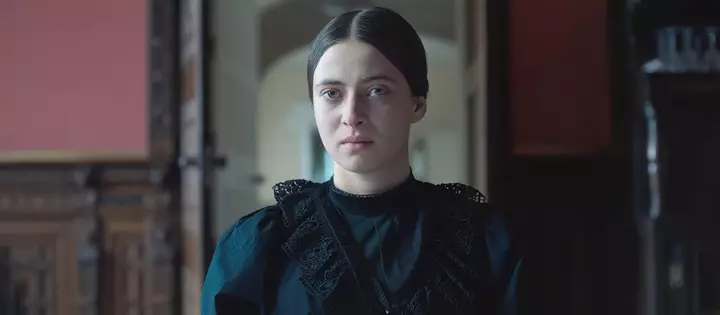
These stories tap into universal sentiments like psychological trauma and the fear of the unknown. Gothic horror books often transform desolate settings into oppressive sources of fear. Isolated mansions, dark forests, and empty cemeteries evoke dread even before a monster appears on the page.
In a certain sense, Gothic horror feels like a thematic precursor to liminal horror, where uncanny architecture evokes dread alongside literal creatures of the dark. Authors like Bram Stoker (Dracula), Henry James (The Turn of the Screw), and Wilkie Collins (The Woman in White) are considered prominent Victorian-era Gothic horror writers. That said, one must not forget J.
Sheridan Le Fanu, who penned Carmilla, a pioneering lesbian vampire novella that predates Stoker’s Dracula by 25 years. Considered one of the best ghost story writers of his generation, Le Fanu is also known for his macabre poetry and his horror story collection, In a Glass Darkly. While Carmilla has enjoyed a resurgence in popularity over the years, the Gothic horror genre owes a debt to Le Fanu’s 1864 novel, Uncle Silas, which is based on his 1838 short story, “A Passage in the Secret History of an Irish Countess.” Like Carmilla, Uncle Silas opens with the first-person narration of a young female protagonist.
Heiress Maud Ruthyn lives in an opulent mansion with her somber, reclusive father, Austin Ruthyn. Maud recounts her childhood growing up in this isolated setting, and how her relationship with her father is mostly distant. Even so, she remains devoted to his wishes and spends most of her time trying to understand his reserved nature.
As the novel progresses, we hear about the black sheep of the family: Uncle Silas, a notorious ex-rake and gambler, who claims to have repented for his sins by becoming a reformed Christian. Maud has reason to fear even before she personally crosses paths with her dubious uncle. Her father appoints a governess named Madame de la Rougierre to ease Maud’s loneliness, but this woman comes off as both suspicious and frightening.
She is even more terrifying from Maud’s naive perspective, as the governess actively endangers the young girl at several points. Le Fanu writes Madame de la Rougierre like an eldritch caricature of a human woman, adding an eerie sense of danger within a domestic setting. The heart of the horror, however, is a murder mystery.
Extract — continue reading at the source.