What You Need to Know: A new scientific review on cold-water immersion, published in the Journal of Applied Physiology by researchers Laura Leuci and Luca Carenzo, examines how people die in cold water. It maps out peer-reviewed physiological data to provide actionable survival tactics. On a sunny day in May, Jeru Bague and Mariz Bello fell off their paddleboard on Browning Lake, near the outdoor mecca of Squamish, British Columbia.
The recently married couple both drowned—two more statistics in an unusually bad year during which (so far) 42 people have drowned in British Columbia, a rate that is 50 percent higher than last year. You might think that the solution is simple, at least in this case: they should have, you know, grabbed the paddleboard. But falling into cold water is more complicated than it seems.
It’s not just about hypothermia, which usually doesn’t kick in for half an hour or so. In fact, a substantial proportion of cold-water deaths occur either long before hypothermia hits, as in the case of Bague and Bello; or, more puzzlingly, shortly after the swimmer is rescued. More than half of open-water deaths happen within just three meters (less than ten feet) of safety, and two-thirds of the victims are considered competent swimmers.
And most triathlon deaths occur within the first few hundred meters of the swim, long before exhaustion or cold sets in. nd recover. Each week, Alex covers a new topic, including strength training, supplements, and more! A new review in the Journal of Applied Physiology, led by Italian researchers Laura Leuci and Luca Carenzo, sums up what scientists know about the underappreciated dangers of cold-water immersion—and, crucially, how to maximize your chances of survival.
Scientists divide these dangers into four distinct stages that progress chronologically: The first thing that happens if you’re suddenly immersed in cold water—we’re talking below about 15 degrees Celsius or 59 degrees Fahrenheit—is that you’ll take a big, involuntary gasp of air. If you’re underwater when this reflex kicks in, that’s a problem and can kickstart the drowning process. After the big gasp, you’ll typically start hyperventilating for one to three minutes.
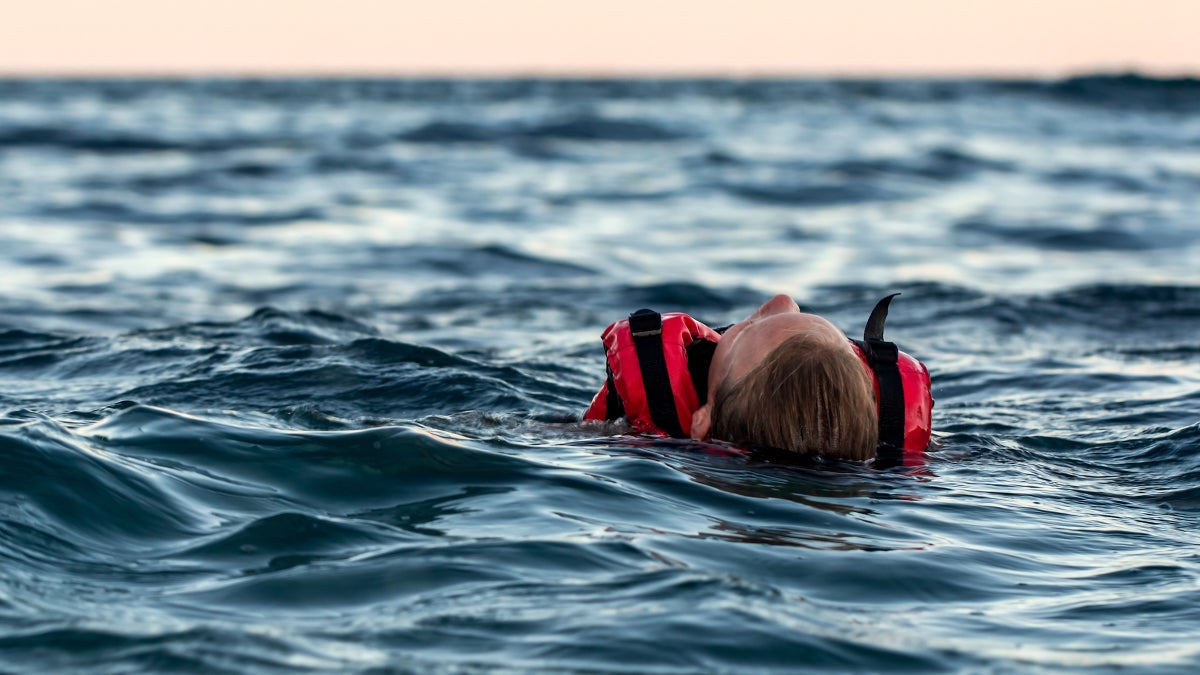
This can also be a problem, because if you’re in choppy water you may find it difficult to time your rapid breaths between waves. This once again raises your risk of inhaling water. The key countermeasure here is what the Royal National Lifeboat Institution calls “Float to Live,” which basically advises you to float on your back with your face out of the water until the hyperventilation subsides.
Extract — continue reading at the source.