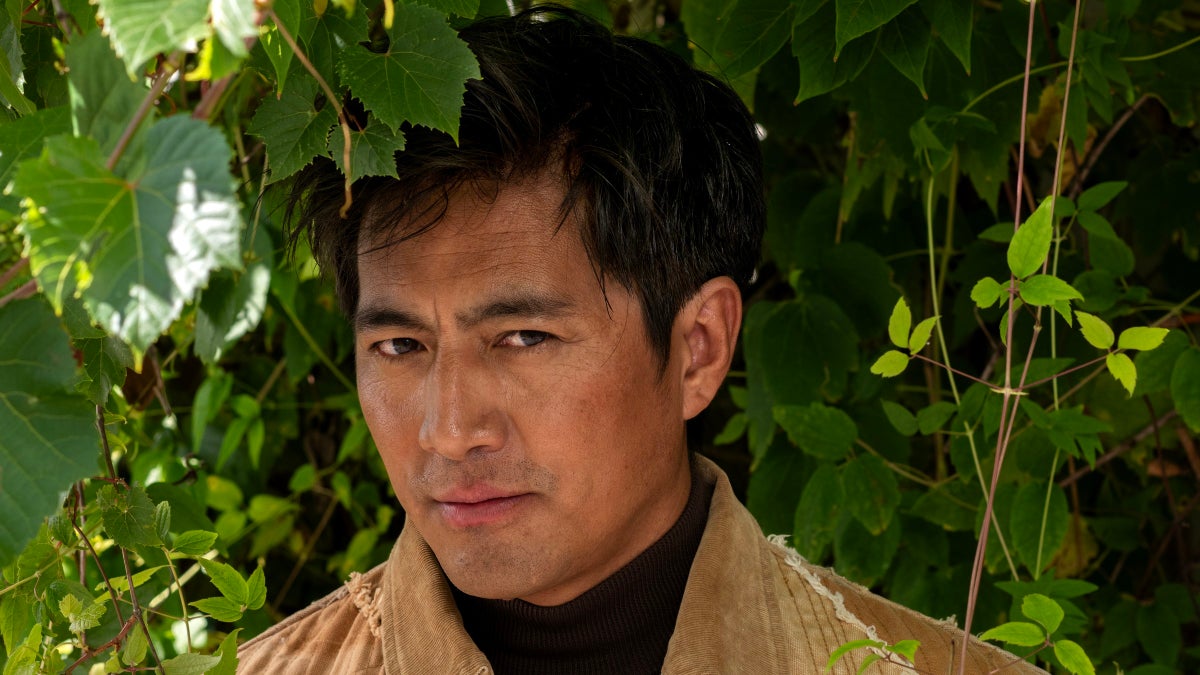
He was headed down to Lukla, Nepal, and the Tenzing-Hillary Airport, a narrow strip of asphalt at 9,300 feet where sticking the landing can feel like a life-or-death proposition. It was time to meet his co-star. Tom Hiddleston was arriving by helicopter.
Genden and his host, the Sherpa mountaineer Phurba Tashi, had hiked down from the village of Khumjung to collect him. Genden had never met a Hollywood movie star. He knew exactly who was stepping off that helicopter.
He walked up, put out his hand, and said: “Hey, Hillary.” Hiddleston shook it and said: “Hey, Tenzing.” “From that moment,” Phuntsok told me, “we could feel we were the roles.” They spent the next two days walking back up to Khumjung, running dialogue and reflecting on the history of the trail —the actual approach the men they were about to play once used. This road was really bad back then, they’d say to each other. How hard it was for them.
Jennifer Peedom’s Tenzing, in theaters October 9 and on Apple TV October 16, is a rare thing: a movie about the first ascent of Everest in which Edmund Hillary is the supporting role. Hillary was the Auckland beekeeper who stood on the summit with Tenzing Norgay on May 29, 1953. He was knighted for it within weeks.
Tenzing got the George Medal, and a lifetime of being asked which of them stepped up first. Hillary got the title, the lecture circuit, and eventually his face on New Zealand’s five-dollar note. Yet the only photograph taken on the summit that day is of Tenzing—ice axe up, flags snapping—because Hillary had never taught him how to use the camera, and the top of Everest is not the time for a tutorial.
The man in the picture spent the rest of his life as the second name in the sentence. Peedom’s film is mostly not about the climb at all. It’s about everything Tenzing had to survive just to reach the starting line—a story about family and faith and where a person is allowed to belong.
Extract — continue reading at the source.