The International Criminal Court (ICC) said Wednesday that it “deplores” sanctions imposed this week by the U.S. State Department on its president, Judge Tomoko Akane, and Abdoulaye Seye, a Senegalese senior trial lawyer for the Office of the Prosecutor. The State Department announced the sanctions Tuesday, accusing Akane and Seye of having “directly engaged in efforts by the ICC to investigate, arrest, detain, or prosecute officials whose government has not consented to ICC jurisdiction.” The sanctions include the freezing of assets in the country, blocking financial transactions, and prohibiting entry to the U.S.
They were imposed under an Executive Order issued by President Donald Trump in February 2025, which reads: “The United States unequivocally opposes and expects our allies to oppose any ICC actions against the United States, Israel, or any other ally of the United States that has not consented to ICC jurisdiction.” Neither the U.S. nor Israel is a state party to the Rome Statute, the treaty that founded the ICC and went into effect in 2002, and therefore do not recognize the jurisdiction of the court. Read More: Trump Administration Vows to Dismantle the International Criminal Court “These sanctions are a flagrant attack against the independence of an impartial judicial institution which operates pursuant to the mandate conferred by its states parties,” the ICC statement said. In his first term, Trump imposed sanctions on ICC Prosecutor Fatou Bensouda and another senior official, Phakiso Mochochoko.
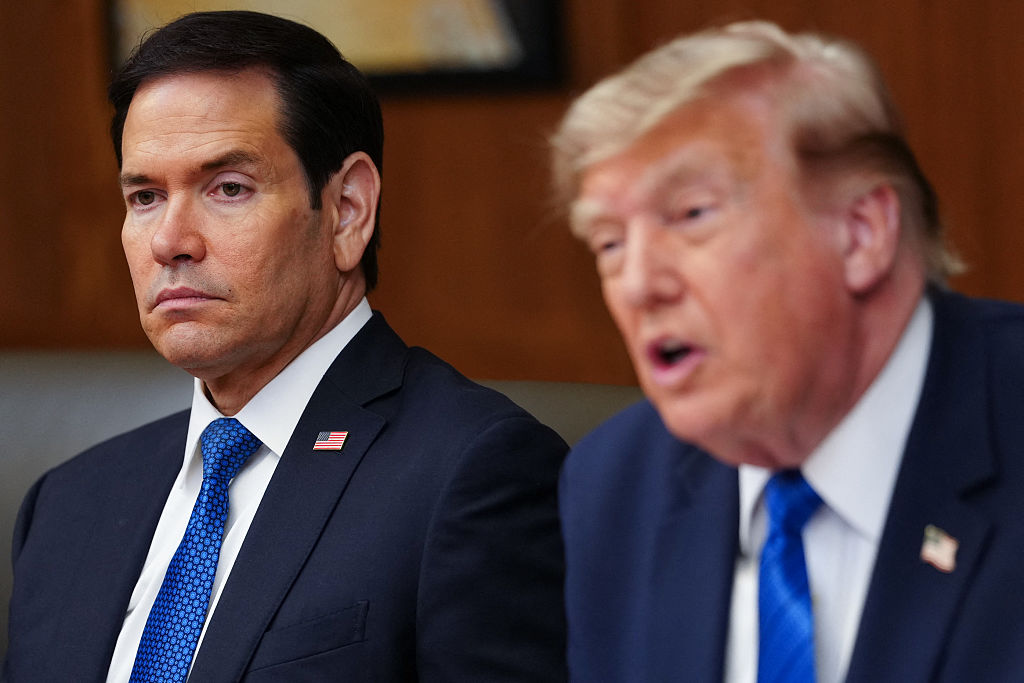
These were later lifted under the Biden Administration. The ICC says that nine of its 18 judges are now under sanctions from Washington, as well as both deputy prosecutors, a former prosecutor, and one other member of staff. Announcing the sanctions on Tuesday, Secretary of State Marco Rubio called the ICC a “corrupt and fatally politicized supranational court.” He accused it of repeated attempts “to assert authority over nationals of the United States and other countries that have not consented to its jurisdiction or ratified the Rome Statute.” The Trump Administration has long pushed back against the ICC’s investigations and charges against nationals from both the U.S. and Israel.
February’s Executive Order said the ICC’s recent actions against both countries “set a dangerous precedent.” The State Department also launched a campaign in July to “dismantle” the ICC’s jurisdiction, saying it will “systematically disable the ICC’s ability to operate, target American servicemen or officials, or otherwise threaten American sovereignty.” But the tensions trace back to Trump’s first term, when the ICC sought to investigate possible war crimes committed by the CIA and military personnel in Afghanistan. Bensouda requested authorization in 2017 to investigate those allegations. Trump then brought sanctions against her in 2020.
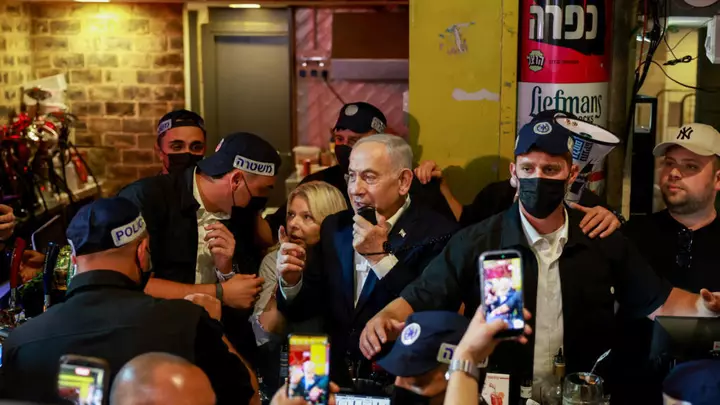
The U.S. has also rebuked its actions in recent years against Israel. In November 2024, the ICC issued arrest warrants for Israeli Prime Minister Benjamin Netanyahu and the recently dismissed Defense Minister Yoav Gallant. Both were accused of “crimes against humanity and war crimes" pertaining to the ongoing Israel-Hamas War, including “starvation of civilians as a method of warfare” and “intentionally directing attacks against a civilian population.” The conflict was ignited by Hamas’s terror attack in southern Israel on Oct. 7, 2023, which left some 1,200 people dead and 250 taken hostage.
Since then, over 73,000 Palestinians have been killed in Gaza—1,262 of whom have been killed since a cease-fire began last October, according to Gaza’s Ministry of Public Health on Aug. 15. The prosecutor also pursued arrest warrants for Hamas leaders Mohammed Deif, Ismail Haniyeh, and Yahya Sinwar, all of whom have since been killed. During Rubio’s Senate confirmation hearing in 2025, he addressed the warrant for Netanyahu.
Extract — continue reading at the source.