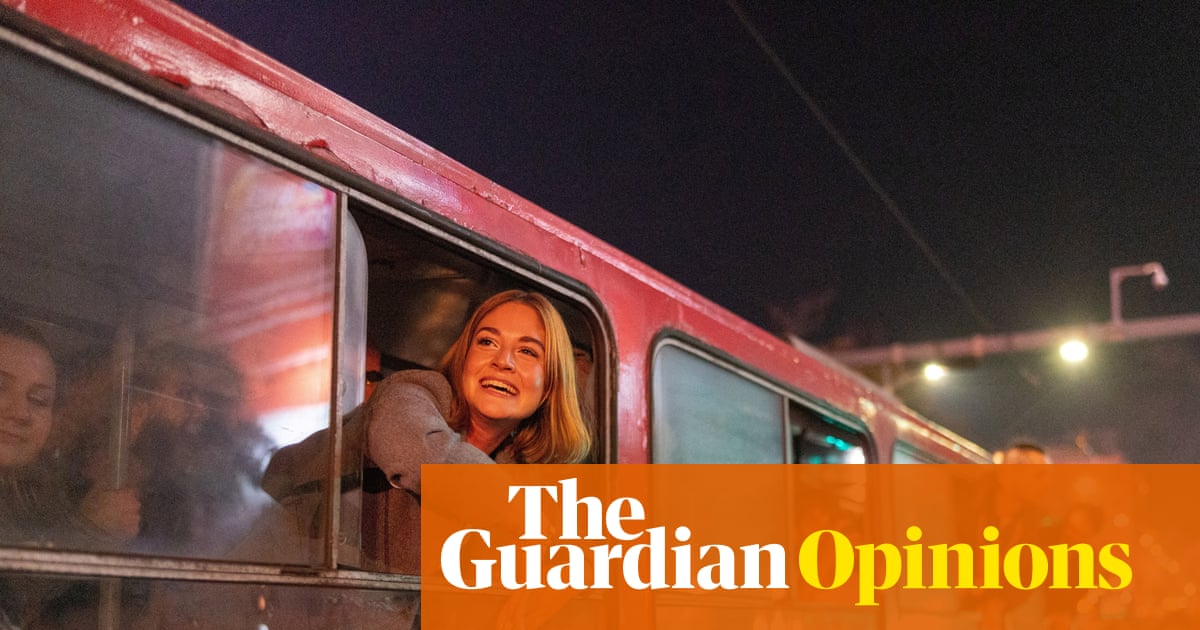
We have not yet reached a 1968 moment, when students at the Sorbonne lit a fuse that detonated a crisis that eventually brought down the De Gaulle government. But in late 2026, starting with the symbolic act of young French people climbing the July Column at Paris’s Place de la Bastille, the world is experiencing the biggest outbreak of student demonstrations for 60 years. When Italian students subsequently occupied a high school in Rome, they opened their demand for change with the words “like in France”.
Youth demonstrations are now raging from India – where the government has responded with repressive force to the Cockroach movement – to Albania, where, after being out on the streets for nearly five months, students are demanding not only an end to corruption, but the replacement of the government. But the most momentous set of protests has been in Serbia, where the Student List of candidates for national parliamentary elections has succeeded not just in dislodging a long-established, corruption-tainted government alleged to have links with organised crime, but in securing an electoral mandate. It is now poised to form a new administration.
Nothing of this kind has ever happened before. Student List is not only changing the political leadership of Serbia but popularising new methods of organising; it is building a system for selecting candidates from outside its own ranks, using methods such as open public assemblies with rotating delegates and specialised working groups. Eighty-five student assemblies selected the candidates, as an analysis of their internal rules explains.
And the results are often surprising: the rector of Belgrade university, Vladan Djokić, was not selected as a candidate, despite being a longterm supporter of the movement and expected by many to play a major role in government. Student List has been compared by the Croatian philosopher Srećko Horvat, who situates the movement within a longer tradition of direct democracy and collective self-organisation, to the Paris Commune of 1871. Its fundraising activites, however, are very much up to date: it reportedly crowdsourced almost €2m (£1.7m) from more than 26,000 individual donors during the election campaign.
The wave of youth protests comes after mobilisations in Kenya in 2024 and across Nepal, Indonesia, the Philippines, Madagascar, Morocco and Peru in 2025. How far the Serbian grassroots model of organising will shape youth movements elsewhere remains to be seen. But according to Olivier Ertzscheid, a senior lecturer at the University of Nantes, “young people’s sense of belonging and social interaction is at play”, with social media now actively fostering a sense of connection and shared identity among protesters – and driving momentum.
September and October have seen youth protests in Belgium, Austria, Greece and Italy over education funding; in Germany over the threat of compulsory military service; and in Spain and Portugal over the lack of affordable housing. But the protests have also spread well beyond Europe, to Indonesia, where youth demonstrations are focused on pollution; to Argentina over austerity; and to Chile and Colombia over funding cuts. Last weekend in Germany, a group called Gen Z regelt led demonstrations in 21 cities.
Extract — continue reading at the source.