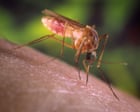
Los Angeles might be best known for blue skies, beaches and film premiers — but for the last several years it’s held another, unenviable distinction: the most mosquito-infested city in America. And this year has been especially nightmarish, thanks to a series of heatwaves and an extra-powerful El Niño. Locals have called it a summer of “living hell” as clouds of mosquitoes swarm backyards and leave diners at open air patios scratching their ankles.
That double whammy of heat and humidity is making 2026 one of the worst mosquito years in recent history, causing a spike in cases of West Nile virus and raising fears that the nuisance bugs could spread other diseases including dengue, brought in by travelers. With moisture in this week’s forecast and overnight temperatures likely to stay above 50F (10C), there seems to be no end in sight for a problem that local authorities have struggled to contain for the last decade. You can’t even sit in your car with the windows down.
They’re infested everywhere.” Southern California residents have struggled all year to keep the winged bloodsuckers at bay. Some have resorted to sleeping in long sleeves after failing to kill off the mosquitoes that colonize their homes. Others have tried to seal off the cracks below their doors with towels.
The last thing we want is to stay up all night fighting mosquitoes.” Los Angeles county has documented more than 180 cases of West Nile virus this year, according to the county public health department – the highest number in nearly a decade. And mosquito season is still far from over. Mosquito activity plummets when temperatures approach 50F overnight.
But this winter was exceptionally mild, with heatwaves in February and March that allowed mosquitoes to stay active. The unusually moist and humid summer made it easier for them to reproduce. The region has sweltered under a record-breaking heatwave since early October, although forecasts show relief on the way.
But the temperatures won’t drop low enough in most places to halt mosquito activity entirely, while coming rains will give them new places to breed. Southern California hasn’t always been such a mosquito hotspot. The region’s most common endemic mosquito, the Culex quinquefasciatus – often referred to by the more easily pronounceable name “quinx” – prefers to target birds over humans.
Extract — continue reading at the source.