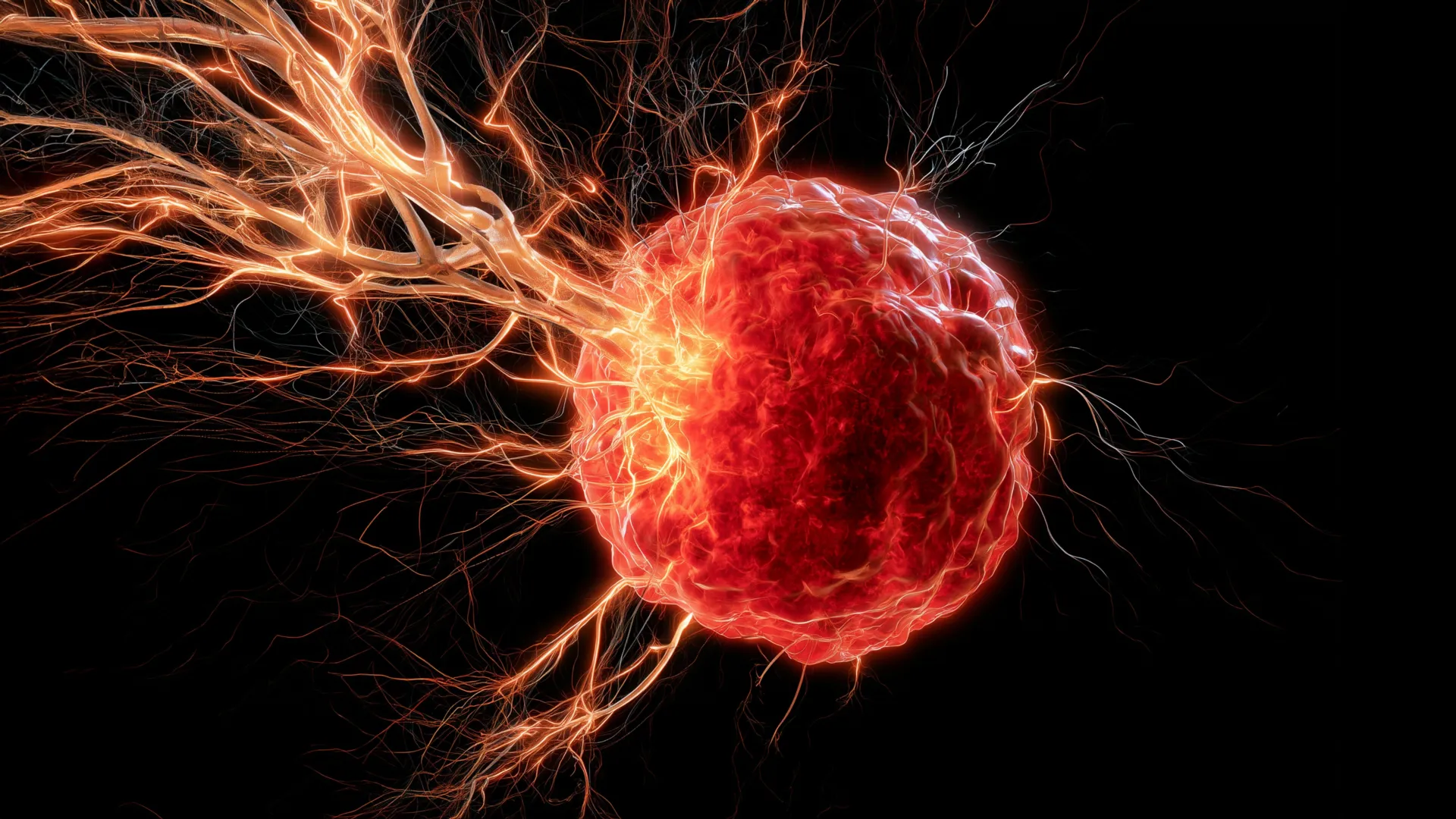
A protein that helps cancer grow may also hold a surprising key to fighting it. Scientists at Cold Spring Harbor Laboratory (CSHL) have discovered that activating this protein in immune cells can make them more effective at attacking tumors, potentially opening a new path toward treating cancers that resist existing therapies. The findings, published in Nature Immunology, could be especially important for colorectal cancer, which has become the leading cause of cancer-related death among people under 50.
Many patients with difficult-to-treat forms of the disease have limited options, particularly when chemotherapy and newer immunotherapy treatments fail. The research suggests that a protein normally associated with cancer growth could instead become a powerful cancer-fighting "force" when activated in the right cells. Turning a Cancer-Promoting Protein Into an Immune System Weapon Scientists have long understood that a patient's physical fitness can influence their ability to withstand illness.
But CSHL Assistant Professor Semir Beyaz is exploring a different kind of fitness: the metabolic health and performance of individual cells. "We hypothesized that the fitness determinants of cancer and our immune cells may not be so different," he said. "They're in the same universe.
They're constrained by the same chemical and physical rules. So, it's not surprising they'd end up evolving the same way." At the center of the research is peroxisome proliferator-activated receptor delta (PPARD), a protein that helps regulate how cells burn fat for energy. PPARD is a transcription factor, meaning it controls the activity of genes involved in important cellular processes.
To understand its effects, Beyaz and his colleagues began by studying mice with colorectal cancer. They found that although cancer cells use PPARD to support their own activity, activating the same protein in immune cells had a dramatically different effect. Instead of helping tumors thrive, it shifted the surrounding environment toward one that favored the immune system's attack on cancer.
"It's all about cell fitness," Beyaz explains. "What cells eat affects who they are. When immune cells burn more fat, they become more fit for fighting cancer." Supercharging Cancer-Fighting CAR T Cells The researchers next wanted to determine whether boosting this fat-burning process could improve immune cells' ability to attack human colorectal cancer.
Extract — continue reading at the source.


