Three decades ago, it took the deaths of three Roman Catholic children – the Quinn brothers, Jason, nine, Mark, 10, and 11-year-old Richard – in a petrol bomb attack to bring an end to the Drumcree dispute. It is perhaps extraordinary to think that this could ever have needed saying – but that was then. Northern Ireland is very different place today.
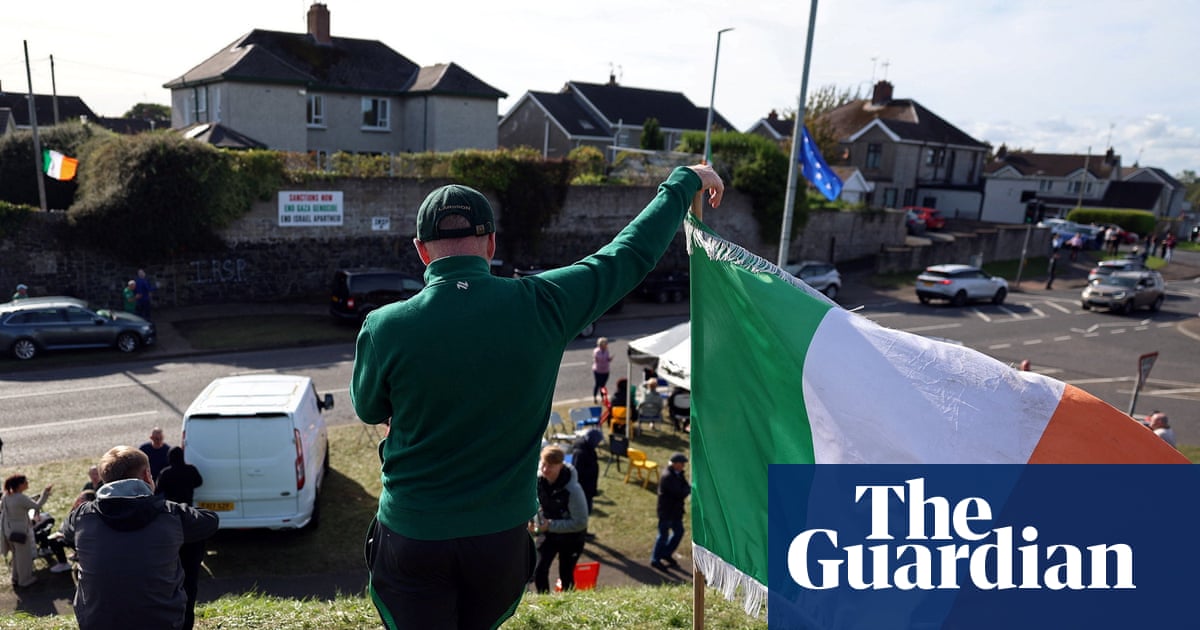
Passions are running high, but the attempt by 35 members of the Protestant Orange Order to walk down Garvaghy Road, a main thoroughfare in a predominantly nationalist part of Drumcree in Portadown, County Armagh, did not lead to violence on Sunday or Monday. Faced with thousands of members of the nationalist community standing in their way and a police line ordering them back, Orange Order district master Nigel Dawson concluded: “There’s no point getting wet unnecessarily,” as he instructed members of the order back inside the church hall to shelter from the rain. Every half-hour on Monday, the Orange Order members walked up to police lines only to be turned back by Supt Brendan Green, but the process was peaceful and respectful.
The blessed absence of the old ways does not make what is happening at Drumcree any less significant, however. History doesn’t repeat itself, and although hope and history sometimes rhyme, more often we hear echoes of history returning to us. The divisions and tendency towards cynical political posturing in Northern Ireland, papered over by the 1998 Good Friday agreement – when all sides were exhausted by the hate and misery of the three decades of Troubles – have been all too evident of late.
This particular dispute can be reasonably argued either way. The independent Parades Commission has ruled that the march down the Garvaghy Road is permissible. The marchers are simply taking advantage of their rights, it may be said.
But is it really necessary to take this road after 28 years of the march being banned? Who is served by the provocation? The detail of the argument is perhaps less important than the fact that it is happening, and what that says about Northern Ireland today, and what it may mean for the future.
On the nationalist side, there has been growing and bristling self-confidence about the prospects of a border poll on a united Ireland. This was only inflated by Donald Trump’s recent suggestion that a unified Ireland should happen sooner rather than later. It was a moment of unity within an often fractured nationalist community.
Extract — continue reading at the source.