Power can be seductive, and many who possess it want to hold on to it for as long as possible. The leaders of China and Russia, for example, cleared the way for additional terms years ago, and in the United States, the president occasionally speaks of another run for office, even though the Constitution does not allow it. From the perspective of Paul Biya, however, Chinese President Xi Jinping, Russian President Vladimir Putin and US President Donald Trump are still relatively new to office.
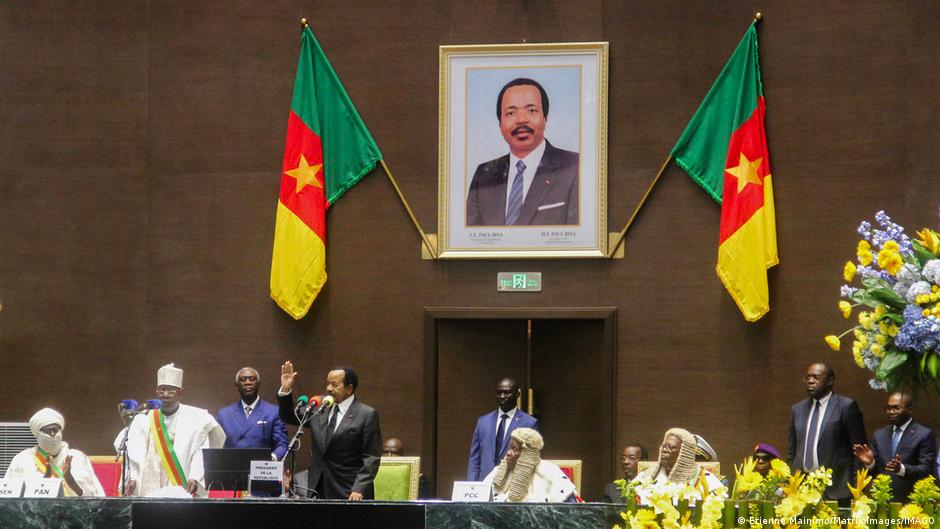
Cameroon's president has been head of state since 1982. In 2025, he began his eighth term, which is officially due to end on November 6, 2032, just a few months before his 100th birthday. The 93-year-old has given no official indication that he intends to step down, and the position of vice president remains vacant.
As a result, Biya is one of several African leaders who have taken further steps this year to secure their grip on power. During his 44 years in office, Biya has built a stable network of loyal allies that keeps the machinery of government running despite his lengthy absences. The 93-year-old has now spent two and a half months in Geneva, Switzerland, continuing to issue decrees and make personnel decisions from abroad.
In mid-June, his spokesperson denied rumors that Biya was receiving treatment in a hospital and stated that he was in good health. "There is continuity, but that also means there is little momentum for reform within the government,” Beverly Ochieng, senior analyst at consultancy Global Risk, told DW. And while Biya's power apparatus has helped cushion the impact of the president's long absence, that does not necessarily mean the most influential figures on the ground are united.
After all, a post-Biya era is now in sight, and several of his allies are rumored to have ambitions of succeeding him. To view this video please enable JavaScript, and consider upgrading to a web browser that supports HTML5 video "When everyone is lining up to potentially succeed Biya, it also means that the elites may begin challenging one another," Ochieng said. Such rivalry, she warned, could lead to major disruptions, including the possibility of a military coup.
Analyst Levi Mboushou recently voiced similar concerns on DW's Africalink podcast. "Everyone feels the fear and uncertainty, but no one dares to look directly at it because we all have to deal with this repressive regime. You see something, but you say nothing.
Extract — continue reading at the source.