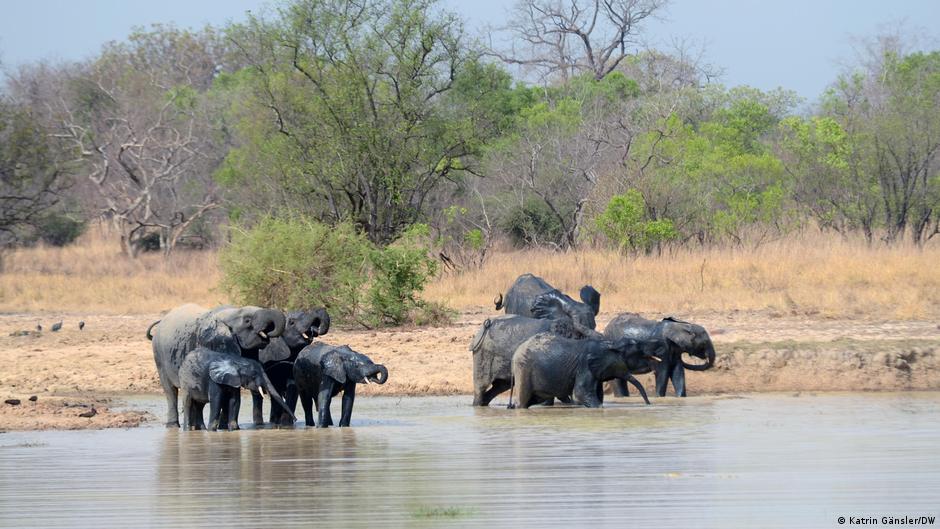
Prince Harry has long been a supporter of African wildlife and nature. When the British royal first became involved with African Parks in 2016, he served as a prominent figure supporting awareness on elephant conservation. Later, the son of King Charles III became president of the organization before joining its board in 2023.
But reports indicate that in just a few weeks' time, he will step down from his position at African Parks. The NGO claims that the move is merely part of a reshuffling of its board. But Dutch journalist and author Olivier van Beemen, who has extensively investigated the South Africa-based wildlife conservation group, believes the association between Harry and African Parks has increasingly become a burden — for both sides.
Harry's role was to mainly open doors for African Parks, van Beemen says. His fame attracted media attention and helped the NGO gain access to potential donors. But his notorious falling-out with his family increasingly failed to improve the organization's coffers and image.
At the same time, allegations of human rights abuses at African Parks made the prince's association with the organization increasingly problematic. "I think they now see each other more as a liability," van Beemen told DW, stressing that the full story reaches far beyond a junior member of the royal family simply stepping down from a ribbon-cutting role. According to its own figures, African Parks manages 24 protected areas in 13 African countries, covering more than 20 million hectares.
By 2030, the organization aims to manage as many as 30 parks. Its business model is known as delegated management: African governments hand over the long-term management of protected areas to the group. The land formally remains state-owned.
But the organization takes on wide-ranging responsibilities, including conservation, infrastructure, tourism and anti-poaching operations. For African governments, this model offers a major advantage: African Parks brings international funding, expertise and personnel to protected areas that many states would otherwise struggle to manage on their own. In order to achieve its objectives on the ground, African Parks employs a host of armed rangers across the continent, who are allowed to use indelicate methods if and when needed; in some cases, its influence even extends to managing border controls.
Extract — continue reading at the source.