One is a contrarian play on U.S. housing, while the other is a New York manufacturer swinging for the fences Small-capitalization fund managers tend to hold a lot of stocks, which, according to Bill Hench of First Eagle Investments, greatly increases the odds of winning if the stocks are bought at good prices and sold at the right time. New York-based Hench heads the small-cap team at First Eagle and co-manages the First Eagle Small Cap Opportunity Fund , which holds about 240 stocks, and the First Eagle Small Cap Equity exchange-traded fund , which was established on July 1. FESAX has returned 54.1% over the past five years, with dividends reinvested, well ahead of a 36.9% return for the Russell 2000 Index and a 36.7% return for the S&P Small Cap 600 Index .
Ethan Allen’s CEO on Effective Leadership Strategies Play video: Ethan Allen’s CEO on Effective Leadership Strategies So far this year, FESAX is up 23.7%, while the Russell 2000 has returned 15.1% and the S&P Small Cap 600 is up 16.5%. But the fund has pulled back a bit since June 30, when it was up 33% for the first half of the year. Hench said that at that moment, “eight of our top 10 names were, in some shape or more, data-center related.
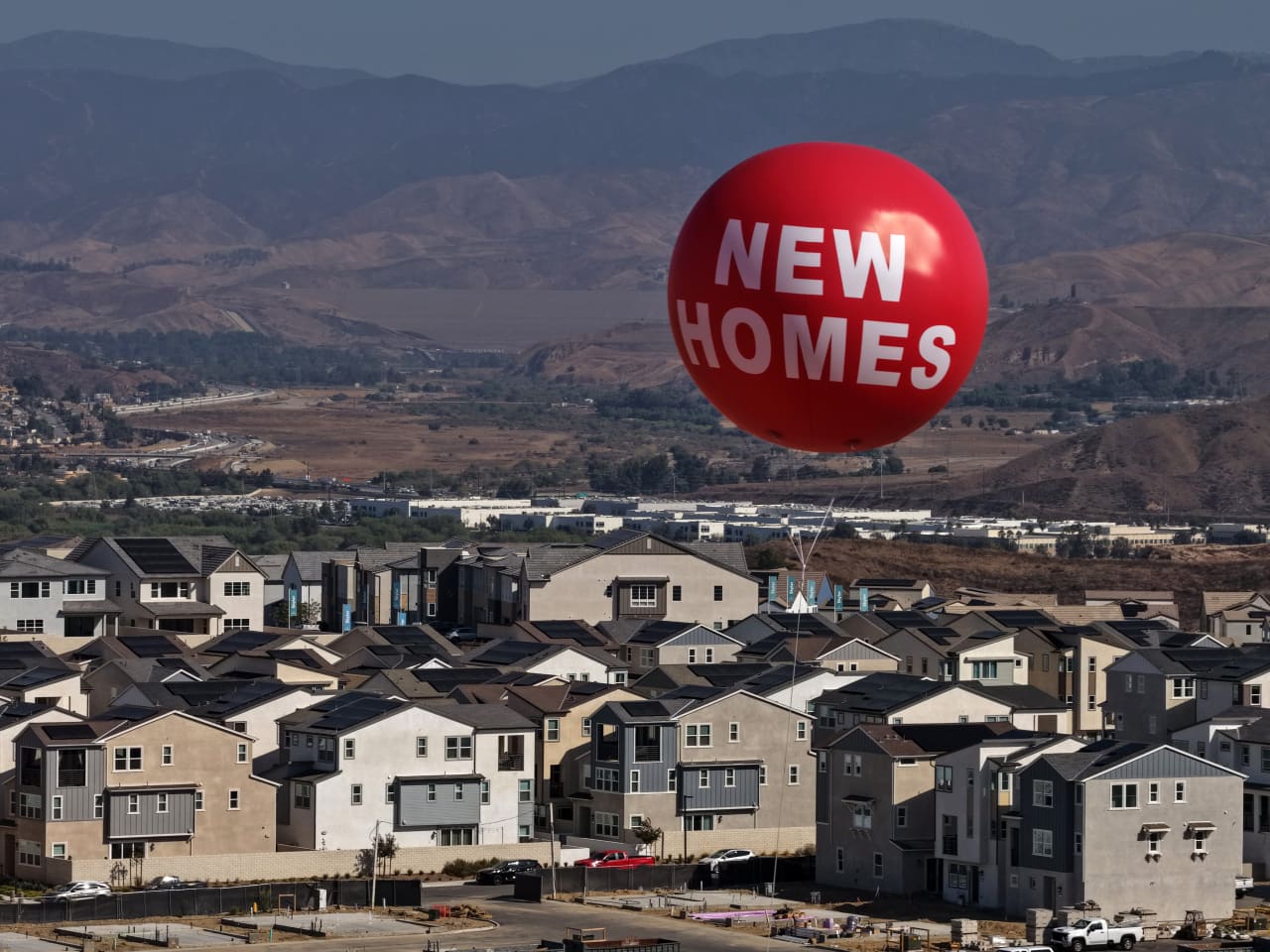
So we reduced them quite a lot.” Hench shared two very different stock picks with MarketWatch. The first is Boise Cascade , which is a contrarian play on the eventual recovery of the U.S. housing construction market. This company provides wood products to home builders and runs 39 distribution centers.
The stock has returned 2.5% over the past year, with dividends reinvested, but it is down 45.5% from two years ago. The company has remained profitable, despite the housing downturn, but margins have come under pressure. Boise’s second-quarter sales came in at $1.83 billion, up 5% from a year earlier, while its earnings per share were down a penny to $1.63.
But this is a cheap stock. With a market cap of $2.63 billion, BCC trades at a forward price-to-sales ratio of 0.4, based on the consensus 12-month revenue estimates among analysts polled by FactSet. That compares with a weighted forward price-to-sales estimate of 1.1 for the S&P Small Cap 600.
The stock’s forward price-to-earnings ratio is 15.5, which is above the forward P/E valuation of 14 for the index. Then again, the company’s earnings might be at their low ebb. Graham’s stock has returned 59% over the past year and has nearly tripled over the past two years.
Extract — continue reading at the source.