Imagine starting a space company in October 2019 with the aim of changing the world. Then, a few months later, a global pandemic shuts the world down. Bennett and his co-founder, another engineer from Blue Origin named Austin Link, began to think about the implications.
How would humanity deal with that increased volume of satellites in orbit? Could low-Earth orbit be preserved? Ideas like asteroid mining or building infrastructure on the Moon seemed a little too far out at the time, but improving the ability to move around in space, deorbiting threats, and extending the life of assets there seemed more plausible.
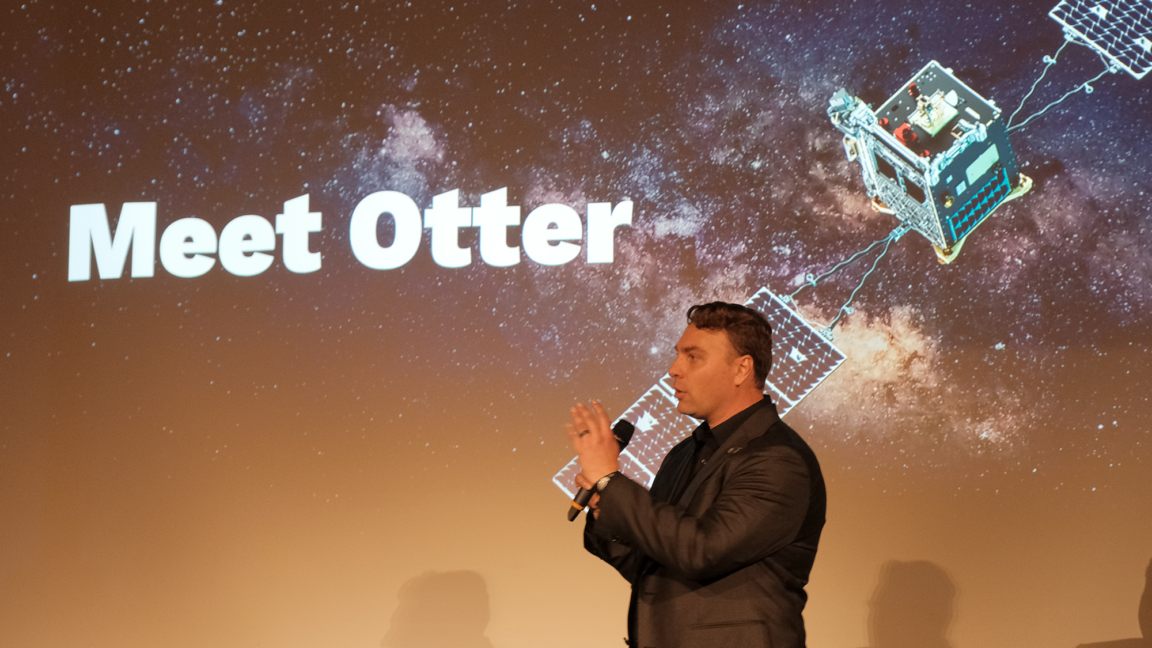
An obvious business case was extending the life of large satellites in geostationary orbit, but just as important, Bennet and Link felt like managing these ever-growing constellations in low-Earth orbit would become vital. With a spacecraft bus about the size of a large washing machine and a mass of approximately 350 kg, an Otter will fly on a Falcon 9 Transporter mission next month. This will largely be a demonstration mission for NASA.
Named SSPICY—for Small Spacecraft Propulsion and Inspection Capability—the mission will see Otter fly up to multiple older spacecraft and get close to them. Otter will inspect multiple US-owned, defunct satellites, approaching within hundreds of meters to gather information about spin rates, current conditions, and more. This is the first time NASA has funded a commercial debris inspection mission, and the agency is paying Starfish $15 million.
Extract — continue reading at the source.