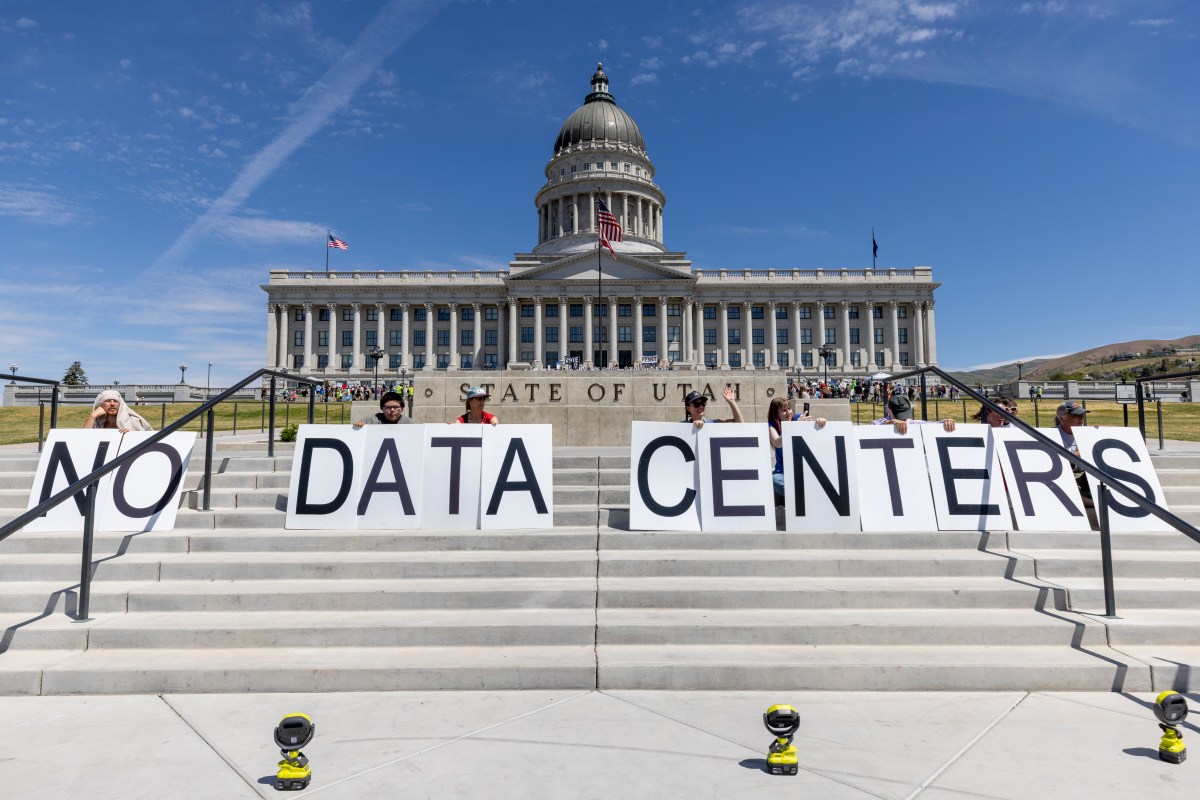
Data centers have become one of the most unpredictable issues of the 2026 midterms, cutting across party lines in ways few other topics do. Polling from the Annenberg Public Policy Center found 61 percent of Americans oppose new data centers in their area, including 69 percent of Democrats and 54 percent of Republicans. Echelon Insights found voters would rather have a nuclear plant in their community than an AI data center.
That backlash is now playing out directly in the six Senate races the Cook Political Report rates as toss-ups heading into November. Newsweek reached out to all 12 candidates in these six races for comment. Michigan has become ground zero for the issue.
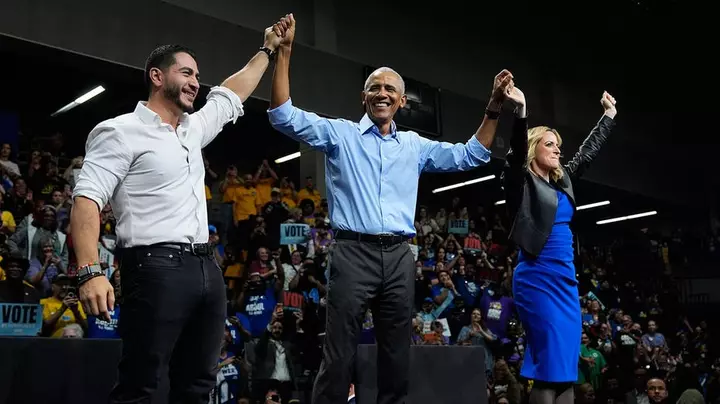
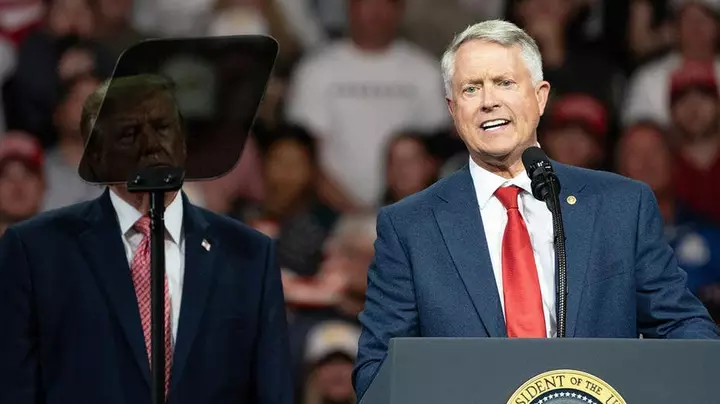
El-Sayed has spent months hammering data centers on the trail, telling one crowd that "people really effing hate data centers." His campaign has proposed "terms of engagement" requiring developers to cover rate increases, guarantee grid reliability and use closed-loop cooling systems, and he has said he will not support new projects until Washington sets federal guardrails. Rogers held a different position for most of the race, favoring state and local control over federal intervention. After The Lever reported Rogers had raised nearly $150,000 from donors with AI and data center investments, including $14,000 from Trump-aligned investors Cameron and Tyler Winklevoss and $34,500 from seven Blackstone executives, Rogers reversed course and endorsed a one-year statewide moratorium.
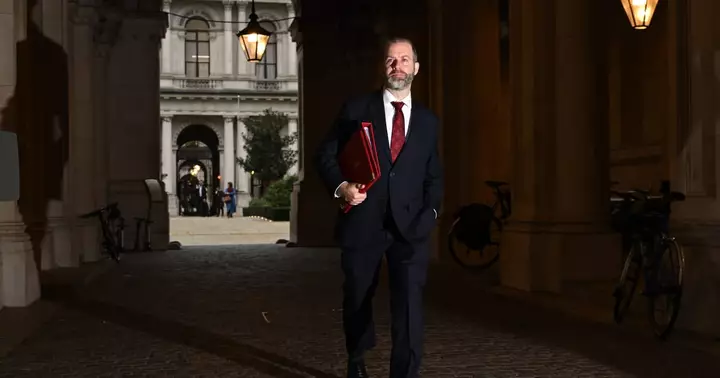
He has argued the decision belongs to local communities, not "Washington, D.C." A Politico/Public First poll in July found support for data center construction dropping sharply among Michigan voters, particularly Democrats. El-Sayed leads Rogers in state polling, and Democratic Senator Chris Murphy has already dismissed Rogers' moratorium pledge as a "farce." Ohio's race may be the clearest test case of whether data centers can decide an election. Brown has made opposition to the facilities central to his campaign, running ads tying Husted to his 2019 defense of a $43.5 million Google tax break in New Albany.
Husted's campaign has collected roughly $69,750 from PACs and employees connected to Google, Amazon, Microsoft, Oracle, American Electric Power, Duke Energy and Vistra. The pressure has reached national Republicans. In a memo obtained by Axios, the National Republican Senatorial Committee warned AI companies that "data centers are the anchor hanging around Husted's neck," adding that a Husted loss would teach politicians nationwide "they will not go near the next one." Brown outraised Husted more than two to one in the second quarter, pulling in $14.1 million to Husted's $3.4 million in direct donations.
Polling from Wedgewood Polls in mid-August had Brown at 48 percent to Husted's 44 percent, a result that diverges from Cook Political Report's toss-up designation but underscores how competitive the race has become. Talarico has built part of his campaign around cracking down on data centers, calling for developers to fund their own infrastructure upgrades, pay their fair share of taxes and get community buy-in before breaking ground. He has pointed to an estimated $3.2 billion in state tax breaks for data center companies as money that could instead lower housing, child care and prescription drug costs.
Extract — continue reading at the source.