This article has been reviewed according to Science X's editorial process and policies. Editors have highlighted the following attributes while ensuring the content's credibility: With the help of artificial intelligence, researchers at Linköping University in Sweden have found previously overlooked occurrences of the 2D materials MXenes in older databases. The findings have inspired the researchers to create new materials using more sustainable synthesis methods.
The results, published in the journal Science, open up new applications for MXenes in which magnetism is an important component, such as energy and data storage. "We need to look both backward and forward to accelerate materials science. There's so much information in the literature that we're not aware of.
We as researchers sometimes reinvent the wheel and claim to have made great discoveries—but then it turns out they were already made in Germany, for example, in the 1970s," says Johanna Rosén, professor of materials physics at Linköping University, LiU. Her research group, together with colleagues in Estonia and Finland, has used AI to search materials databases and identify previously created MXenes that researchers in the field had overlooked. MXenes are a family of materials discovered as recently as 2011.
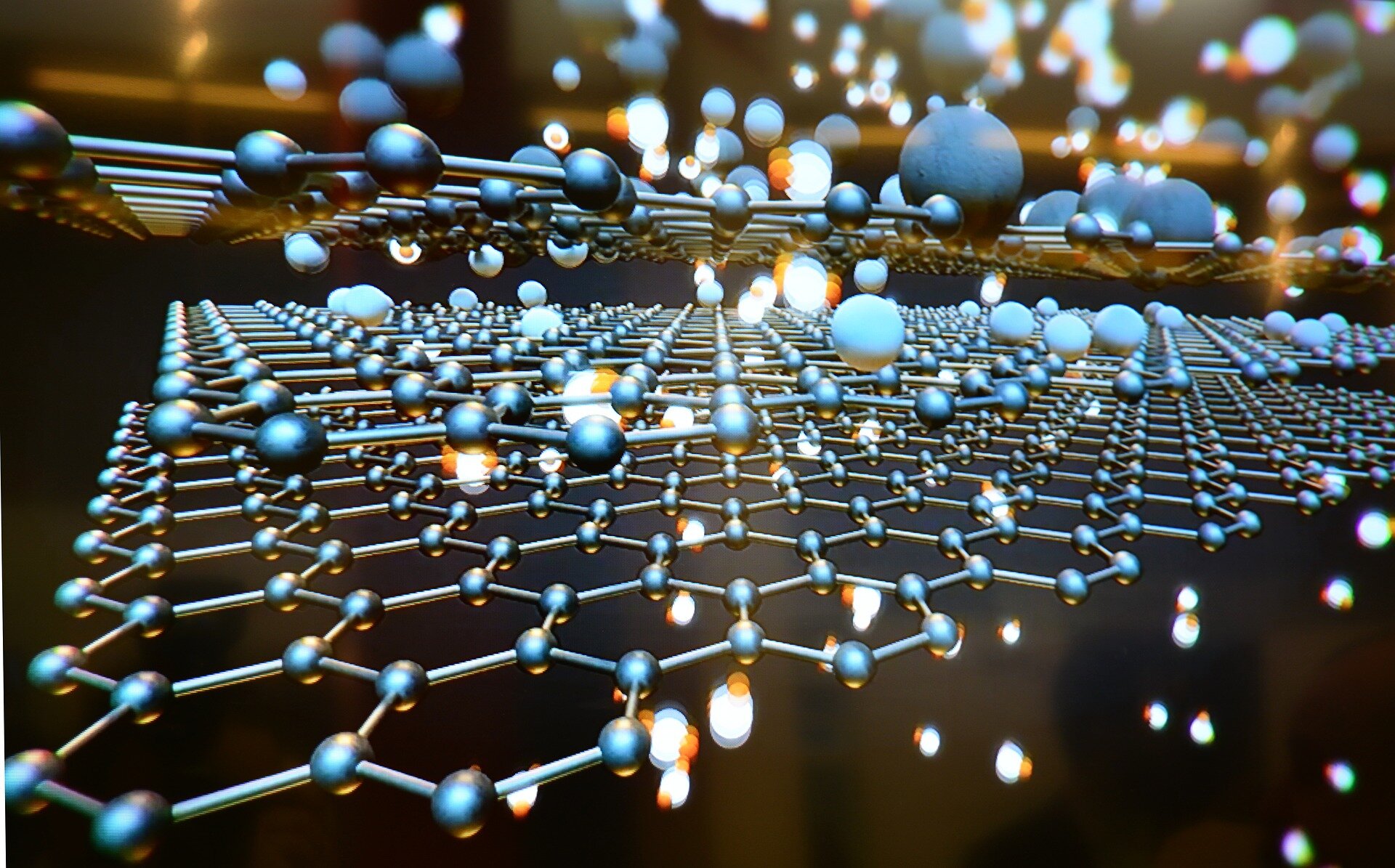
Basic MXenes consist of a metal in combination with either carbon or nitrogen atoms. However, their most important feature is their structure—MXenes consist of only a few atomic layers, which gives them an extremely large surface area in relation to their weight. In total, the researchers were able to identify 33 existing MXenes.
Inspired by their findings, they also created 11 new ones. Rosén explains that the project has been unofficially called "The Treasure Chest Project" by the researchers involved. "The literature and databases are treasure troves—you just have to open the lid and see what's there." MXenes can be layered on top of each other, and a film only a few millimeters thick may contain several million layers of the material.
Between the layers, many different chemical reactions may take place, depending on the composition of the MXenes. This gives the materials properties that may be suitable for uses such as water purification, energy storage, telecommunications, biomedicine and other applications that the researchers have not yet investigated. "MXenes can have a wide range of useful properties, many with potential applications in sustainability.
Extract — continue reading at the source.


