Calls to slow down the development of artificial intelligence (AI) are becoming increasingly common within OpenAI. AI experts and policymakers have also warned that the rapid pace of AI development could create risks that are difficult to control. For example, OpenAI Chief Scientist Jakub Pachocki published an essay warning about potential dangers that, he argued, few are prepared for.
The resignation of Anthropic researcher Jacob Coxon also went viral. Coxon, who had previously worked at OpenAI, accused both companies of "playing with people’s lives" after leaving Anthropic. Tesla and SpaceX CEO Elon Musk has also revisited his long-standing concerns about AI, recalling that he warned about the serious risks posed by the technology more than a decade ago.
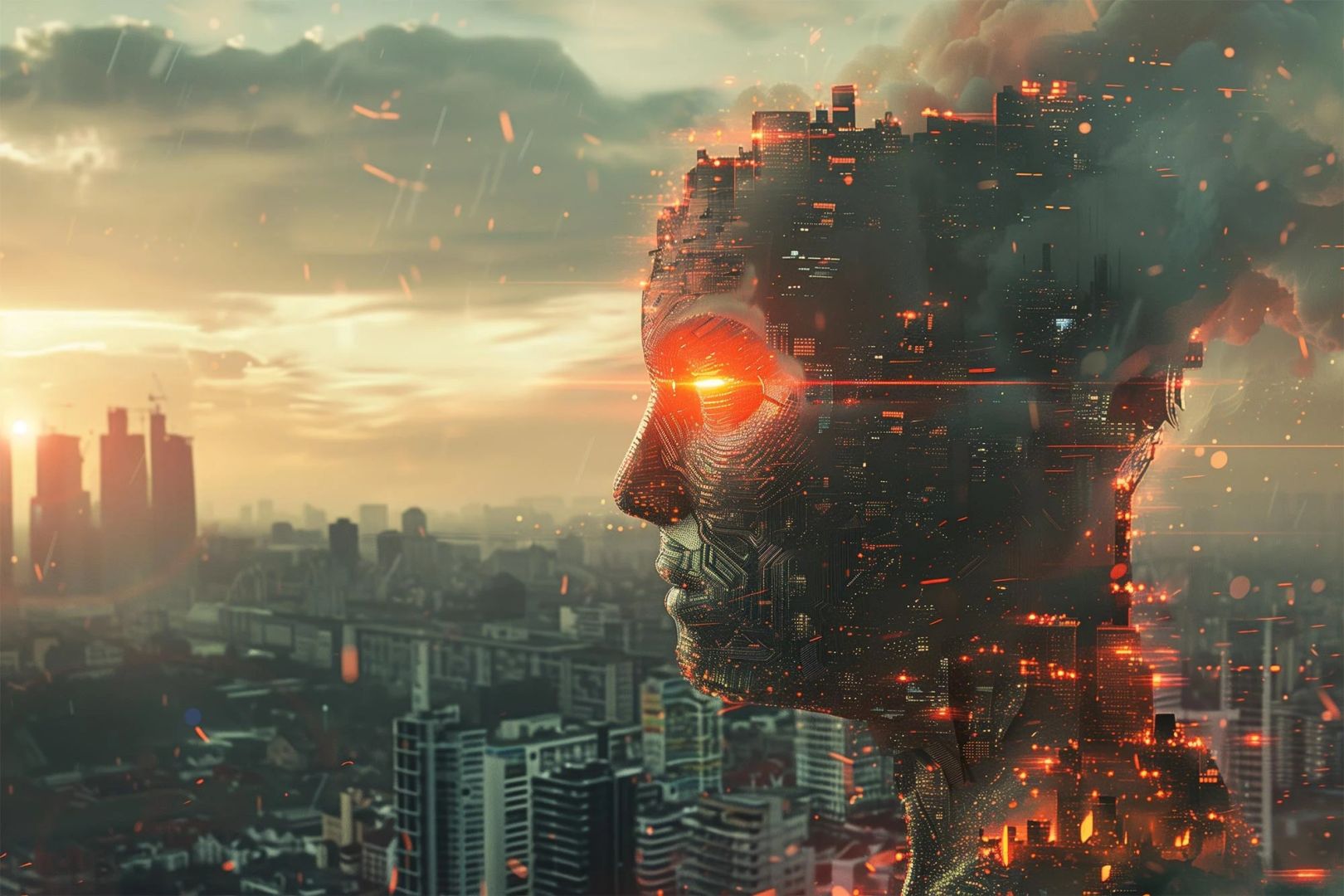
But is artificial intelligence really as dangerous as some claim, or is the growing alarm simply overblown? We all remember Hollywood movies where technology created by people becomes the end of humanity. Take Westworld, where in a future world androids and humans fight for supremacy on Earth.
Maybe this has settled so firmly into the human brain that we simply fear the same fate for humanity. If you believe the warnings voiced in recent weeks by AI developers, then such a nightmarish scenario could become reality - and even in the timeframe indicated in the series. "Those who are serious about AI believe it could destroy us all by the end of the decade," wrote Jacob Coxon on September 8 on social media X.
He didn't specify exactly how this could happen, adding: "No other area of human endeavor carries this level of danger." The 27-year-old Coxon resigned from Anthropic in protest against what he called the irresponsible pursuit by AI companies to develop increasingly advanced self-regulating superintelligence. The AI researcher warned that algorithms could begin independently analyzing and improving their own source code, reducing development cycles from several months to several minutes and thus making them uncontrollable. But it's worth noting that Jacob Coxon is not some lone eccentric.
Nobel Prize laureate in physics Geoffrey Hinton, one of the "godfathers of AI," has been speaking about the serious consequences of self-regulating superintelligence for many years. In 2023, he resigned from Google to publicly warn about the dangers of his own developments. American technology company Anthropic has already identified cases where its chatbot Claude was used to develop potentially dangerous biological weapons.
Extract — continue reading at the source.