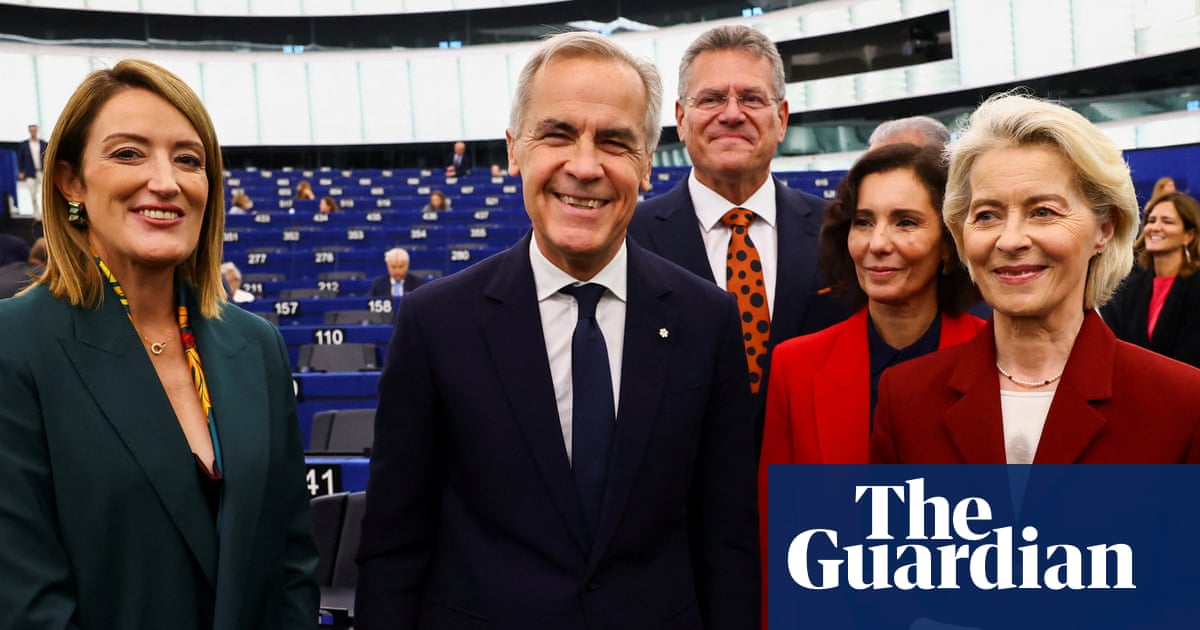
Mark Carney received a rapturous reception in the European parliament when he gave his speech on Thursday welcoming a proposal for Canada to become the EU’s first-ever associate member. Politicians queued to shake his hand and take selfies. One MEP leader described the speech as a historic moment.
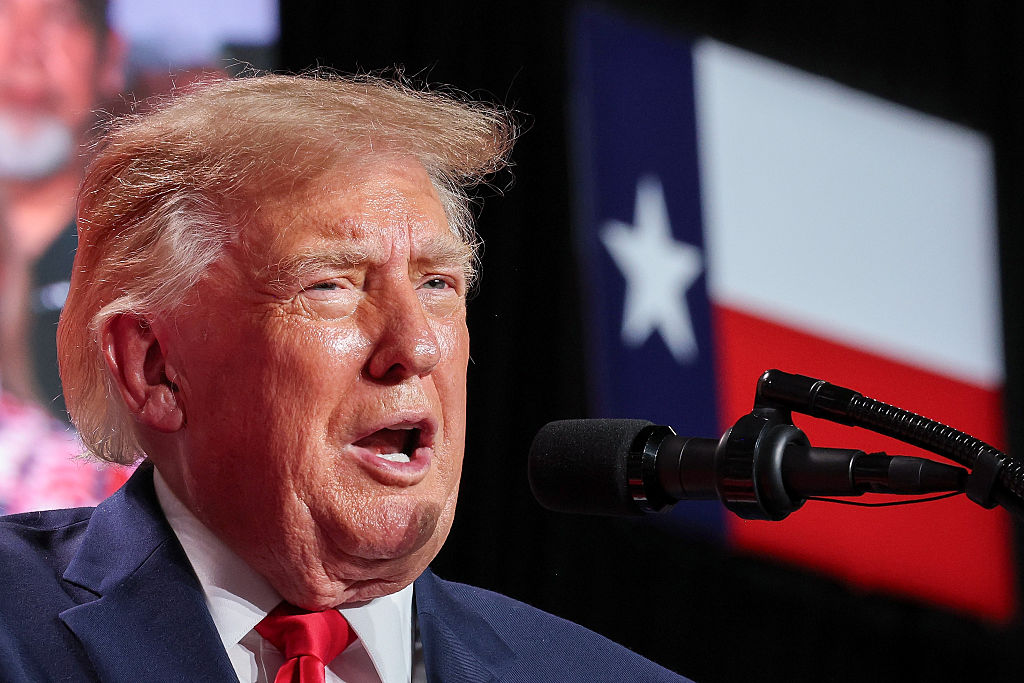
One day earlier, in the same debating chamber, the European Commission president, Ursula von der Leyen, issued the unprecedented invitation to Canada to become an associate member – an idea quickly derided by Donald Trump, who threatened Europe with “heavy tariffs” if it became a reality. But the prospect of Canada’s associate membership is uncertain, not least because no one is sure what it means. So people are talking more about what an associate membership means instead of … this unique partnership and alliance for the future that EU-Canada relations should be about.” The German chancellor Friedrich Merz’s spokesperson welcomed the initiative for a close partnership with Canada and said Germany was “open to discussing new models that reflect the special significance of the relationship” but called for the associate membership label to be “reconsidered”.
Merz himself has floated “associate membership” for Ukraine, as a stepping stone to joining the bloc, but this was quickly dismissed by other member states. One EU diplomat said von der Leyen “seemed a bit far out in floating this” and that even before Wednesday’s speech member states had worried that she was overpromising on Canada. A second diplomat said it was “an empty phrase” and it would be up to member states to define the substance.
Any new trading and cooperation relationship with a foreign country would need to be approved by the EU’s 27 member states. There is a lot of common ground: both sides want to deepen cooperation on AI, energy security, critical raw materials, quantum computing and work together in the Arctic – Carney noted that Canada shared an Arctic border with Denmark, referring to the maritime border with Greenland. But difficulties went unspoken.
While Carney described the 2016 EU-Canada comprehensive economic and trade agreement as “one of the world’s most successful trade agreements”, 10 EU member states have yet to ratify it, including France, Italy and Poland. With all three countries heading into an election year, that looks unlikely to change. While both sides extol the virtues of deeper trade between allies, they are also pursuing policies that appear to contradict that goal.
Last year Canada introduced a buy Canadian policy, to ensure Canadian suppliers get priority in public contracts. The EU is debating its own buy European law, known formally as the Industrial Accelerator Act. The IAA, now being debated in the EU, would oblige member states to meet “made in Europe” content requirements when spending public money on green technologies and electric cars.
Extract — continue reading at the source.