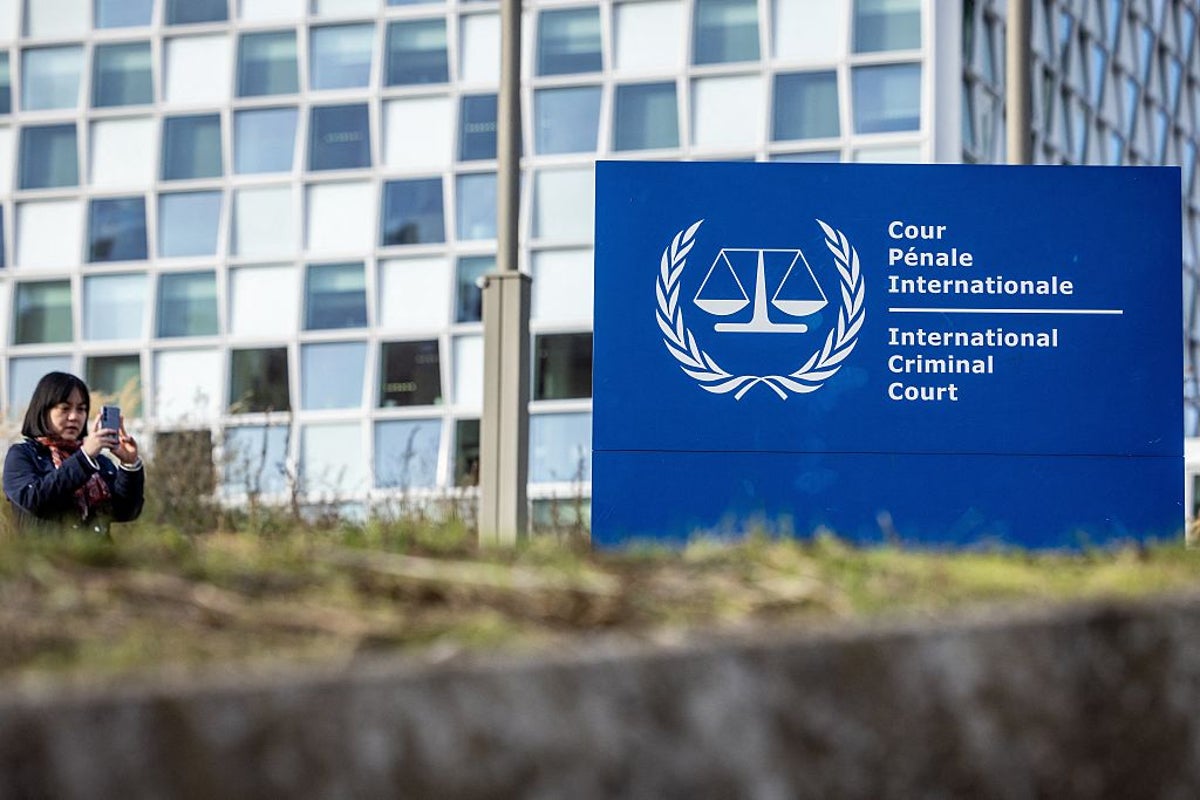
In The Autumn of the Patriarch (Gabriel García Márquez, 1975), the ageing dictator takes pleasure in just one thing: watching his fallen former colleagues playing cards in the room set aside for their exile, and revelling in their destitution and obsequiousness toward him. This portrayal of ageing power – obsessed with its own survival and with the spectacle of the downfall of once untouchable leaders – captures the fear of the moment when power ceases to protect those who once wielded it. Contemporary attacks on the International Criminal Court (ICC) and international mechanisms for investigating human rights violations echo this sense of time, this fear of losing impunity, and bring to the fore the effective power of international law.
The US sanctions are less aimed at what these institutions can do that will challenge US sovereignty today than at what they might set in motion tomorrow. In addition to an arrest warrant, there may be a preliminary legal classification and proceedings, followed, why not, by a judgement and conviction. But even more importantly, even if this is not fully achieved, international judges will play a central role in determining the legitimacy of condemning their actions as crimes and in determining how to characterise their epoch and regime, as the legacy of Nuremberg reminds us.
Therefore, the United States’ relentless campaign against international justice is not a sign of a calm and self-assured sovereignty. On the contrary, it betrays a deep-seated fear: that the legal language will outlive the political protections of the moment, and that those who believed they were protected by power may be caught up forever by the legal classification of their actions and their reputation. In late July 2026, the US offensive against the international justice system crossed a threshold.
This is no longer merely a matter of ad hoc sanctions against International Criminal Court officials or isolated figures within the United Nations. In mid-July, US Secretary of State Marco Rubio announced a diplomatic campaign explicitly aimed at ‘dismantling’ the ICC, which is accused of encroaching on US sovereignty and threatening US officials, military personnel and political leaders. This announcement extends Presidential Executive Order 14203, adopted by Donald Trump in February 2025, which declared a ‘national emergency’ in response to the court’s allegedly ‘illegitimate and unfounded’ actions targeting the United States and its close ally, Israel.
Gaza lies at the heart of the crackdown. US sanctions, which are explicitly intended to sanction individuals “directly involved in the illegitimate targeting of Israel”, have been extended to other individuals and institutions: ICC judges, United Nations Special Rapporteurs, Palestinian human rights organisations and civil society actors involved in documenting possible international crimes in Gaza and, more broadly, in the occupied Palestinian territories. The ICC’s investigation into the situation in Palestine, the arrest warrants for Benjamin Netanyahu and Yoav Gallant, the United Nations report and the work of Palestinian and international NGOs all provide opportunities for the legal characterisation of crimes that the US offensive seeks to delegitimise.
The issue is therefore not merely diplomatic or a specific form of lawfare. It concerns a more fundamental question: who can still legally name the violence perpetrated by the powerful and their allies, who can deliver justice to victims at international level? The most striking feature of this sequence is the reversal of the accusation.
Extract — continue reading at the source.