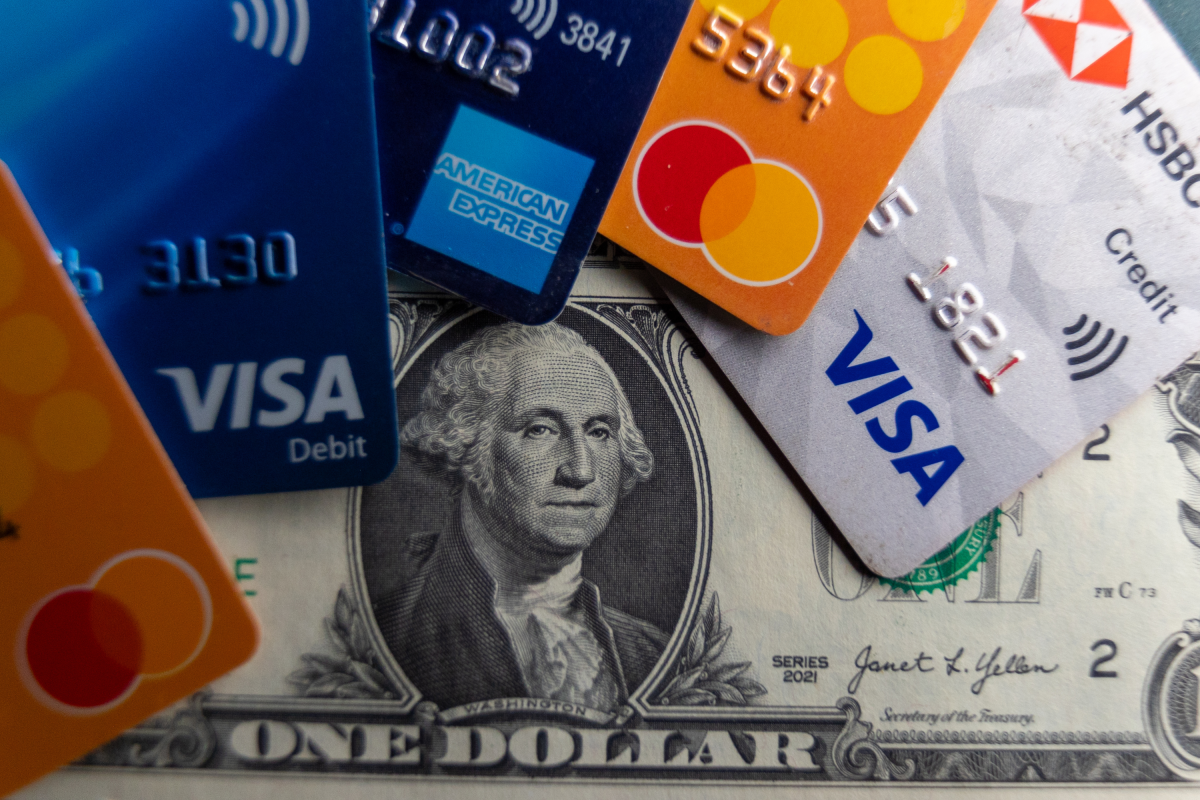
Americans are carrying nearly as much credit card debt as they did at the peak of last year's record-breaking borrowing spree, according to the Federal Reserve Bank of New York. Millions of households are struggling with high prices and elevated interest rates, bringing the outstanding U.S. credit card balance to $1.26 trillion in the second quarter of 2026. That’s just shy of the all-time high of $1.28 trillion recorded late last year.
Credit card debt is one of the most expensive forms of borrowing, and many cards charge interest rates above 20 percent. As balances grow, households can end up paying hundreds or even thousands of dollars annually in interest alone. The current rise in debt also comes as many families face higher costs for essentials like groceries, housing and now back-to-school shopping.
Financial experts say the increasing debt likely comes down to persistent inflation and rising costs for everyday necessities. A lot of this is psychological,” Kevin Thompson, the CEO of 9i Capital Group and the host of the 9innings podcast, told Newsweek. By the time you receive your paycheck, portions of that future dollar have already been spent.
In essence, you are using tomorrow's income to pay for yesterday's consumption, and eventually those obligations begin to stack on top of one another.” Back-to-school expenses are also putting additional pressure on many families this summer. A recent Credit Karma survey found that 57 percent of parents are entering the school year with existing credit card debt, while nearly half expect to take on new credit to cover education-related expenses. The same report found that a typical school supply list now costs nearly $175, roughly 8 percent more than last year, with some items up 20 percent or more.
One of the most effective approaches is the debt avalanche method, which prioritizes paying off debts with the highest interest rates first while continuing to make minimum payments on all other accounts. While it may not save as much in interest, the psychological boost of eliminating accounts can help borrowers stay motivated “For borrowers, you must first know what you are actually paying. That means understanding the true cost of the item you purchased,” Thompson said.
Debt consolidation loans are also potentially available to qualify for lower rates, as are hardship programs if you are struggling to make payments “Someone with enough cash flow and a much lower personal loan rate may benefit from consolidation,” Ryan said. For now, many Americans remain heavily reliant on revolving credit as they navigate higher living costs.
Extract — continue reading at the source.