PRESS REVIEW – Monday, October 26: Brazilian and international papers react to Luiz Inacio Lula da Silva's presidential election victory. Next: The New York Times warns that the war in Iran is entering a dangerous new phase. Also: cocaine consumption and cocaine-related crimes are surging across Britain.
Finally,it turns out that wrapping children in cotton wool isn't the best parenting strategy. Brazilian papers are reacting to Lula's re-election."Following his victory, Lula says he will govern for all 215 million Brazilians," reports **O Globo**, explaining that it's a promise of reconciliation after a campaign that revealed a deeply divided country. In another article, the Rio-based paper reports a massive mobilisation in favour of Lula for the second round.
The incumbent president secured more than 10 million additional votes compared with the first round. There was a fall in abstentions, and the number of blank and spoilt ballots reached their lowest levels ever recorded.**Folha de São Paulo** reports that after criticism, Lula is promising to "change" his way of governing. According to the newspaper, his re-election "confirms the status of the Workers' Party leader as Brazil's greatest popular leader of this century".
But the paper says that it is important "that arrogance does not prevent him from acknowledging the mistakes that nearly cost him the victory" – for example, the fact that "he resorted to a flagrant misuse of the state apparatus". International papers are also reacting.**The Washington Post**writes that Lula's win is "halting Latin America's rightward shift" and keeping "Latin America's largest democracy from joining" that regional shift.Lula secured his re-election by campaigning against democratic backsliding and the erosion of civil rights.But after his inauguration, he'll be confronted by a right-wing Congress and more conservative governors.Spanish paper **El País** writes that "Lula wins, but the Brazil that made him invincible no longer exists". For the paper, this fourth term "paves the way for a leadership transition within the Brazilian left" and "forces it to respond to a sense of discontent".
Next, an article in **The New York Times says** that the war in Iran is entering a dangerous phase. The headline reads: "A new level of threat and fear risks pushing the US and Iran back to full war".The paper says that many factors are creating heightened levels of tension and risk – for example, the elections in the US and Israel, combined with US intelligence that Iran is planning to attack Americans.This is pushing all sides to seek a pretext for action. Experts are warning that this is exactly how countries can escalate into full-scale war.
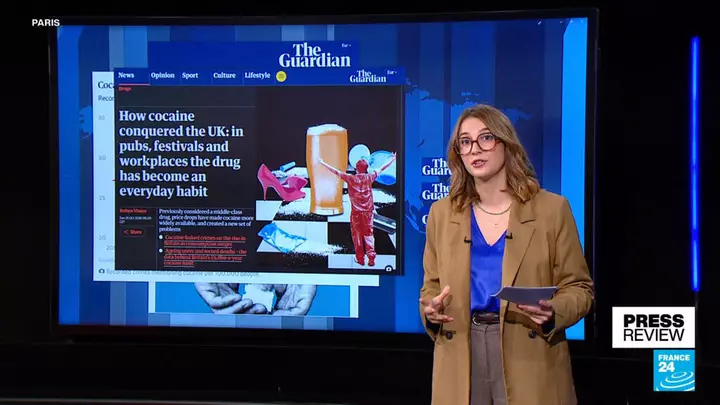
Elsewhere, cocaine use in England is on the rise and so are cocaine-linked crimes. **The Guardian** looks into an analysis of wastewater in England that suggests that people there took around 2.5 billion lines of cocaine in one year. As consumption goes up, so are the crimes linked to it, such as assaults, domestic abuse and dangerous driving.The Guardian says that this rise can be explained by the historically low cost of cocaine– pushed by overproduction and high demand– combined with high purity levels. The drug is not considered middle class anymore, another article says.
Extract — continue reading at the source.