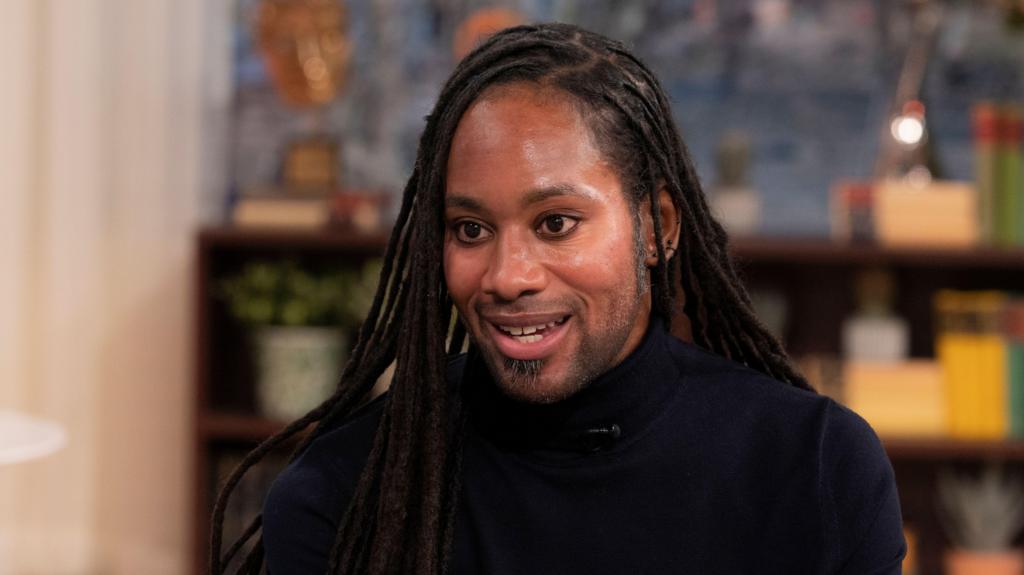
Jason Arday's death - described as unexpected and not suspicious - will send shockwaves through UK universities and beyond. When he was appointed as professor of sociology of education in 2023 Arday was the youngest black professor at Cambridge and the university publicly celebrated his background. Barely one per cent of professors at UK universities are black, so he was joining a small and highly visible minority in academia.
His appointment, in the wake of Black Lives Matter and debates about de-colonising the curriculum, drew worldwide attention. Jason Arday death 'tragedy on so many levels' says PM Jason Arday, ex-Cambridge professor at centre of plagiarism row, found dead Jason Arday had beaten what would have been an impressive international field of candidates to a top job in a university ranked in the global top 10. However, in July 2026 questions about the quality of his academic research, which some had raised privately with him, broke into the open.
These included an allegation that parts of his first major piece of research, a PhD awarded by Liverpool John Moores University, were plagiarised. In other words, it was suggested he had used the work of another academic without adequately crediting them. Arday said this was untrue and Liverpool John Moores University said after a review that it stood by the quality of the research.
Arday suggested any mistakes in attribution were due to his autism. Newspapers dissected Arday's previous work while at Durham and Glasgow universities, and on social media, academics were divided between those publicly championing the black autistic academic and those who said his work did not withstand analysis. Rows about research rarely break through into national debate but this was Cambridge, an elite university whose history and reputation has been built on excellence in research, original thinking and academic integrity.
For many academics, including many at Cambridge, robust scrutiny of the integrity of research is a red line. Some wrote to the vice chancellor demanding an independent inquiry because they felt the reputation of the university was at stake. There was another reason this row had such a high profile.
Arday was a celebrity academic known as much for the remarkable life story he told, of an autistic child who didn't speak until 11, or learn to read and write until 18. Other aspects of his personal narrative came under scrutiny, and he had to clarify that £5m raised for charity had been as part of a group effort, and that a 600 mile running challenge had taken twice as long as originally claimed. Some who had signed a public letter of support quietly removed their names.
Extract — continue reading at the source.


