Campaigners have hailed Andy Burnham’s pledge to bring an end to indefinite jail terms as “a day that thousands of families have spent years fighting for”. The prime minister has said he will “end the injustice” of imprisonment for public protection (IPP) sentences during this parliament, meaning people will no longer be trapped indefinitely under a sentence abolished more than a decade ago. The IPP sentence was a form of indeterminate sentence in which offenders were given a minimum jail tariff but no maximum for a range of crimes.
Introduced in 2005, IPPs were designed for the indefinite detention of serious offenders who were perceived to be a risk to the public, but were used much more widely than intended and issued to offenders who committed low-level crimes. The sentence was scrapped in 2012, but its abolition was not retrospective. Those given an IPP sentence were, in addition, placed on licence indefinitely after release, and are only eligible to have their licence removed after 10 years.
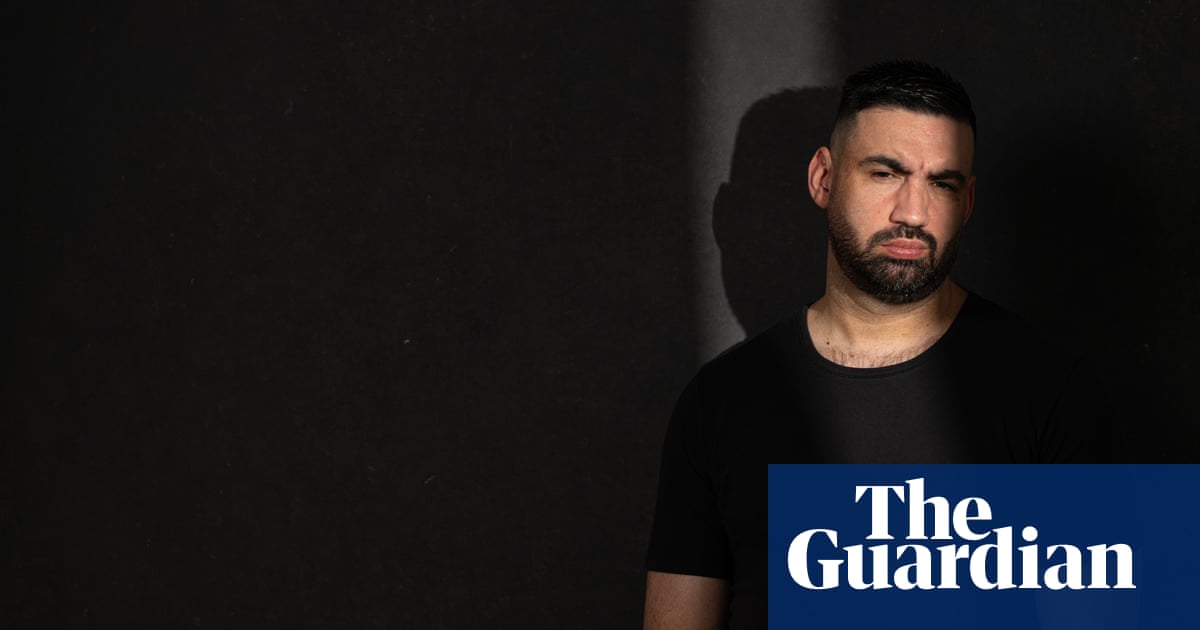
Responding to Burnham’s announcement on Sunday, Marc Conway, a former IPP prisoner who now leads a campaign group against the sentencing regime called Ungripp, said the move was a long overdue step toward justice. Conway, who was handed an IPP sentence for armed robbery, was one of three released offenders who tackled the Fishmongers’ Hall terrorist Usman Khan in 2019 on London Bridge. He has previously spoken of his fear that tackling the terrorist may have landed him back in jail under the terms of his IPP.
Legislation alone cannot undo 20 years of damage, but it is the essential first step toward healing.” Ungripp urged the Ministry of Justice and probation services to ensure that the implementation of the decision was swift, transparent and accompanied by comprehensive community and mental health support for all those transitioning off IPP licences and out of custody. Among those to have suffered from the impact of IPP sentences was Tommy Nicol, who took his own life while serving under the now abolished regime. He was handed a minimum tariff of four years for robbery.
After six years in prison, he was told he would not be eligible for another parole hearing for at least another two years. His mental health deteriorated and he died a few months after that decision. Nine months before his death, Nicol described the sentence as “psychological torture of a person who is doing 99 years” in a handwritten formal complaint.
Responding to Sunday’s announcement, his sister, Donna, who has been a prominent campaigner against the IPP sentence, said: “When I heard the announcement today, my heart instantly split in two. Half of me felt a profound sense of relief for the thousands of families who have spent years living in the same horrific limbo that destroyed my family. The other half of me was crushed by the absolute, unbearable pain that this decision comes 10 years too late for my brother, Tommy.
Extract — continue reading at the source.