Deir el-Balah, Gaza Strip – Maryam sits in front of a blank sheet of paper, holding her pencil as she begins drawing the first lines. Her eyes focus on the details of the drawing while her hand moves calmly. Amid a reality in which Israel’s genocidal war has imposed itself on the details of everyday life in Gaza, 16-year-old Maryam tries to create a different environment for herself, even if only for a few hours.
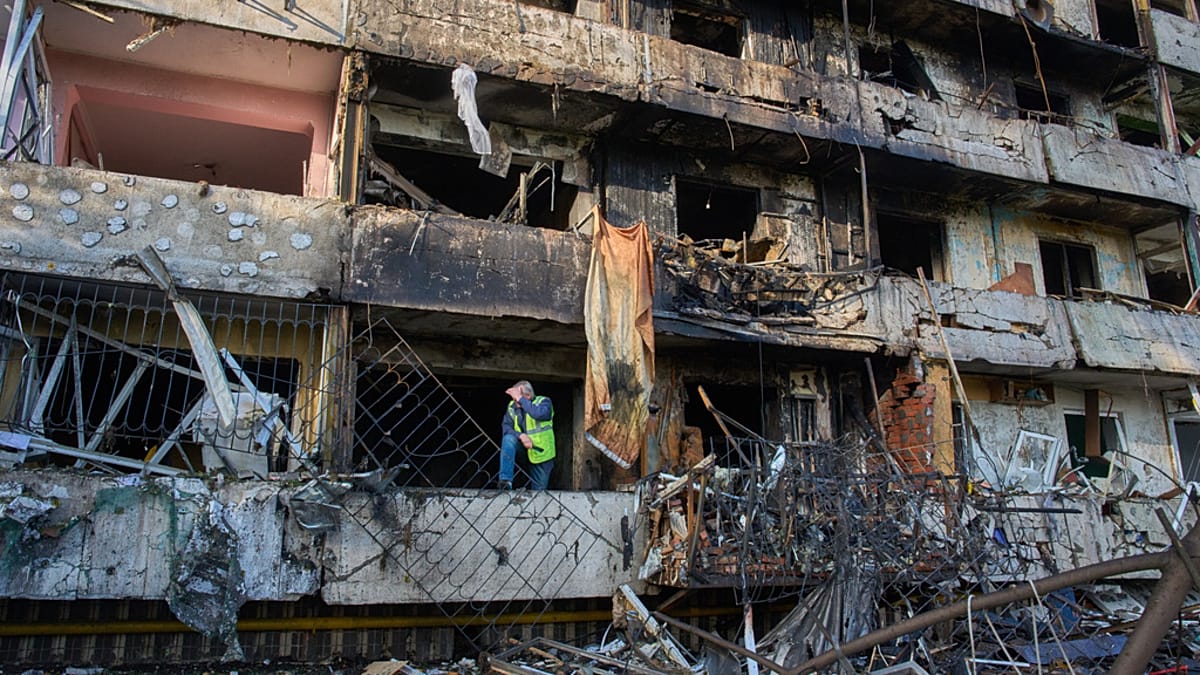
The paper and pencil give her a chance to step away from the scene around her and return to something she loves and knows well. Maryam’s family’s home was bombed in January 2024, and she now lives in her grandmother’s house in Deir el-Balah. She has lost friends and people close to her, including her uncle, as a result of Israel’s attacks during the war – strikes that have killed more than 73,000 Palestinians since October 2023.
The art space she draws in – located at a cafe on the beach in Deir el-Balah – has become a refuge. For Maryam, drawing means more than a hobby. It is a way of putting her feelings onto paper, especially those that are difficult to express in words.
She says that each completed drawing gives her a sense of achievement and opens a small space for hope amid heavy days. Every day, I finish a new drawing, it plants new hope inside me,” Maryam says. But I managed to get back on my feet and learn a new drawing, something new, every day.” Helping children like Maryam is the reason 35-year-old Abdullah al-Ghafri set up the art space – and why he is working hard to keep it open, despite the expensive rental costs that have him continuously searching for investors.
Abu Shawish explains that having a safe space where children can engage in artistic activities can give them a sense of stability amid constantly changing circumstances. That feeling is very important psychologically.” As the war continues – despite an official October “ceasefire” – children are exposed to high levels of fear, stress and loss. Abu Shawish, therefore, believes that artistic activities can give them an opportunity to deal with these emotions in a safer way.
The activity itself can become the starting point for a relationship, a conversation or a sense of safety.” She believes some children find art to be an easier language than words. In Nuseirat, at the Palestinian Student Care Association, Jabr Thabet coordinates activities with the Edward Said National Conservatory of Music, where children gather around their instruments and learn singing and music. We are trying to give them a space where they can experience a normal moment, feel joy and meet other children like them.” The conservatory’s Gaza City location was damaged during the war, and so its teachers have continued their activities in displacement areas, including Nuseirat, Deir el-Balah and Gaza City itself.
Extract — continue reading at the source.