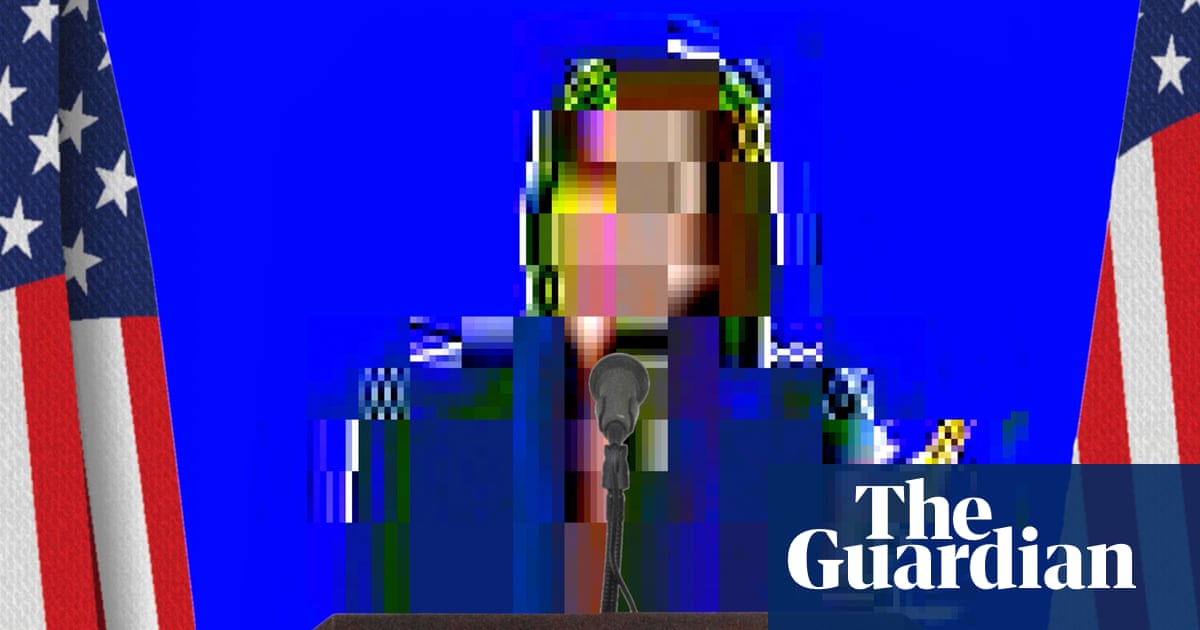
An image of College Park, Georgia mayor Bianca Motley Broom kissing a man – who was not her husband – in a bar spread far and wide on Facebook. The fact that it’s fake is spreading faster, now, but only after it had been seen by thousands of people. Today, all that is required is a computer and a prompt for an AI image generator.
The threat of deepfakes and misinformation driven by artificial intelligence has become a point of deep concern by legislators, advocates and the public. A poll taken mid-June by Rad Campaign, a digital marketing agency, and Women Who Tech, an advocacy organization for female entrepreneurs, showed that about 71% of respondents worry about AI-generated deepfakes and disinformation affecting elections, while two in three respondents said they were concerned about AI being used to sexualize women. The Trump administration has a penchant for deploying AI imagery.
In January, the White House’s official account on the social media platform X posted a digitally altered image of Nekima Levy Armstrong, who had been arrested in connection with a demonstration that disrupted church services in St Paul, Minnesota. A picture of her calmly being escorted by a DHS agent was altered so that she appeared to be crying, and her skin had been darkened. Kaelan Dorr, the White House deputy communications director, later described the image as a “meme”.
Fake images of Zohran Mamdami, New York’s mayor, also began circulating from a “parody” account on X in February, falsely depicting him and his mother in the company of disgraced financier Jeffrey Epstein. Using Google’s SynthID tool, debunked the images, but not before other accounts had recirculated them as authentic, fueling conspiracy theories. Despite significant apprehension around the potential economic consequences of AI, concern about deepfake images being used to sexualize women or children, or to influence elections, outstrips concern about AI affecting jobs by about three to one, Kapin said.
Raphael Warnock, a Georgia Democratic senator, said in a video posted to Facebook that deepfake images had been circulating online falsely depicting him with health problems, with an armful of grandchildren he does not have – and with a full head of hair, which he said was funny, if problematic. What if hours before an election, someone created a page with AI, generated images, fake stories about the candidates, how will voters know what’s true, and what’s not true?” Warnock is among a group of senate Democrats who have been war-gaming political responses to possible election interference scenarios. Chief among those scenarios: disinformation driven by fabricated images or videos circulated through social media.
Outgoing US senator John Kennedy, a Louisiana Republican, offered a bill last week requiring AI firms to install a “kill switch” for rogue AI. Senator Rand Paul of Kentucky blocked Kennedy’s bill, describing the effort as premature without additional industry input. Hakeem Jeffries, the Democratic House minority leader, said in an interview earlier this month on SiriusXM that government should move “urgently” on AI regulations, broadly, calling for “guardrails to protect the American people from bad actors and bad behavior”, adding: “It should be a high priority.” Jeffries noted that Republicans attempted to pass legislation preempting states from regulating AI last year, as part of the omnibus One Big Beautiful Bill.
Extract — continue reading at the source.