A new documentary about Elon Musk uses an artificial intelligence avatar to conduct a simulated interview with the SpaceX and Tesla chief, built entirely from genuine statements he has made. Speaking in Venice on Tuesday before the project's world premiere, filmmaker Alex Gibney described the choice as intentionally ironic. The technique references Musk’s theory that life is a simulation while poking at his shifting perspectives on technology.
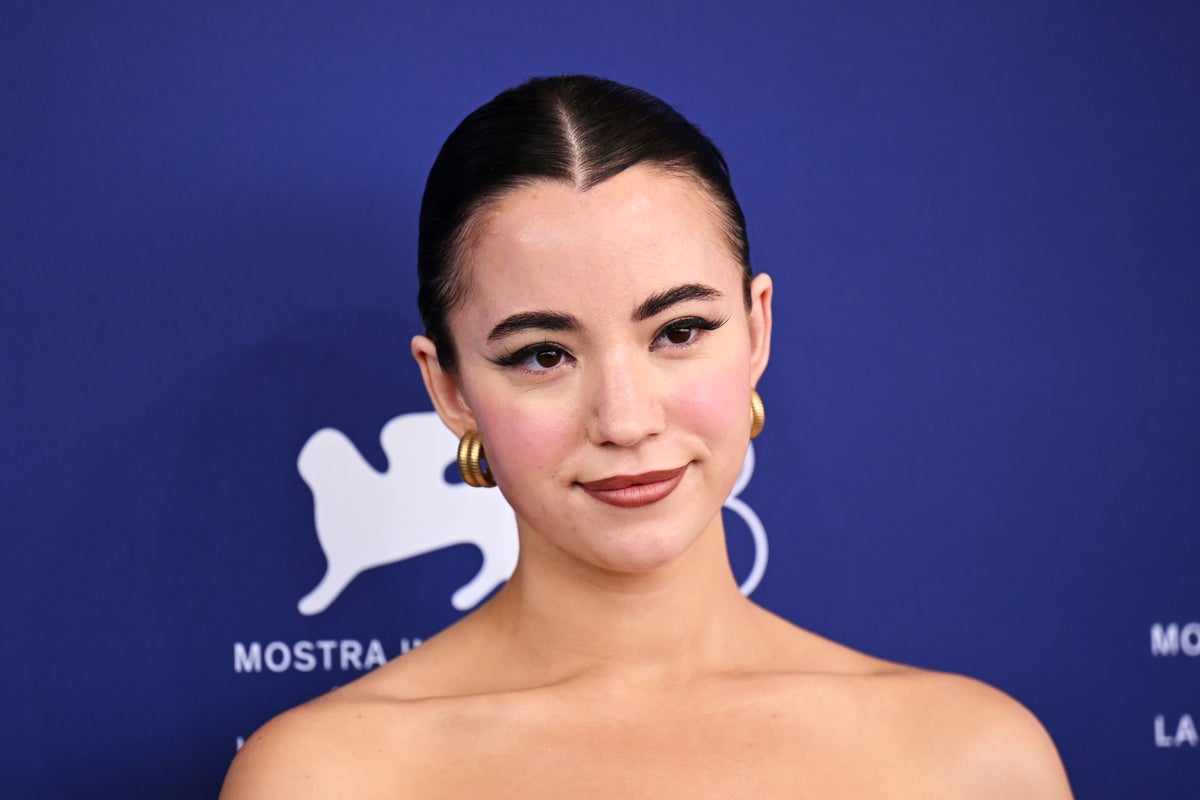
Gibney noted the goal was to capture the "reality of what he’s done and unreality of his narrative." The filmmakers secured legal approval before fully committing to using the Musk avatar. At the Venice Film Festival, the Oscar-winning director was joined by Ashley St. Clair, a former conservative influencer featured in the project who shares a child with Musk.
She speaks about their history, his character, and her choice to reject a nondisclosure agreement meant to secure child support. Clair was asked at a press conference why she agreed to be part of the documentary. "I was offered the opportunity not to speak for $40 million," she said.
Why do they want to offer me this amount of money not to speak?” She continued, “And I believe Alex spoke to it a little bit, about Elon’s unreality. He does have complicated relationships generally, but his most complicated relationship is with the truth. And so, I think most importantly, I want to set the example for my kids that you should never take being materially comfortable over speaking the truth.” St.
Clair previously took legal action against Musk's AI company this year, alleging its Grok chatbot enabled users to generate sexually explicit deepfakes of her that resulted in humiliation and emotional distress. The documentary explores Musk's takeover of X and what Gibney describes as algorithmic manipulation. New subscribers only. £9.99/mo. after free trial.
Plan auto-renews until cancelled. This revenue helps to fund journalism across The Independent. "One thing that I didn't properly understand when I started the film was how Musk tweaked algorithms at Twitter to, in fact, prioritize vitriol and hate over, you know, the town square," Gibney said.
Extract — continue reading at the source.