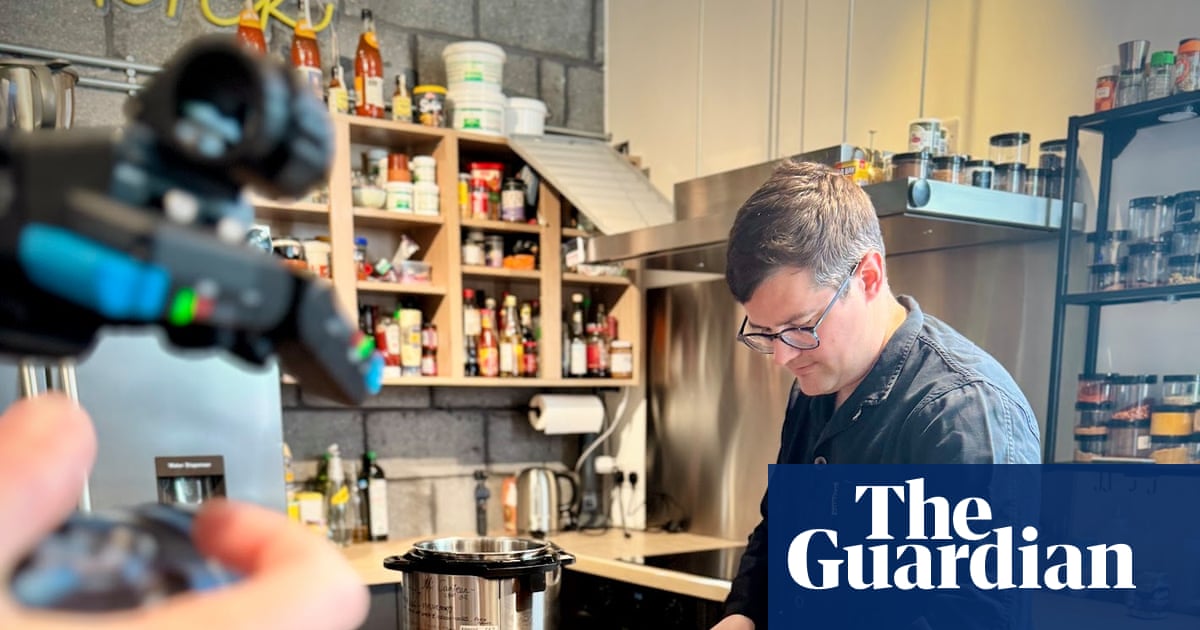
The millions who subscribe to the content creator Simon Squibb’s social media channels are usually delivered tips and hacks on how to turn their dream business idea into reality. But they were recently presented with something completely different. In an Instagram post entitled “the government wants to control YOU”, Squibb issued an urgent call to arms.
He asked his followers to fight against a proposal that he said could force content from the BBC and other traditional broadcasters into their social media feeds and recommendations whether they liked it or not. Squibb is one of many major UK content creators outraged by a proposal included in a government paper earlier in the summer that would boost content from traditional broadcasters such as the BBC, ITV and Channel 4 in the all-powerful algorithms of YouTube and TikTok. The idea has been pushed collectively by public service broadcasters as a way of boosting trusted material and preserving distinctly British content.
Ministers want to help them survive in a world in which audiences are ditching traditional TV for digital platforms. They prefer a voluntary deal with digital platforms, but have pointed to using legislation if necessary. Video-sharing platforms and streaming services accounted for 74% of all video time for audiences aged 16-24 in 2024-25, and 69% for 25-34s.
YouTube is the most-watched service for children aged four to 15, accounting for 28% of their video viewing. But the measure has slowly but surely been causing anger and disbelief among content creators, who see it as shifting the goalposts to allow bigger players to stay on top. If the broadcasters go up the algorithm, they reason content creators will be pushed down.
They have been holding private meetings, putting out emergency videos and urging viewers and fellow creators to speak out before the government’s consultation ends at the end of the month, featuring dramatic warnings about “the end of YouTube”. Squibb and others have even raised comparisons with authoritarian state control. If the BBC is selected as one of the trusted sources, does that also mean that Dragons’ Den is going to get prominent coverage over my education and business content?
You have to let the public decide.” Ben Ebbrell, whose Sorted Food channel started as a small project among friends and now has 15 million viewers tuning in each month, said the idea would undermine 16 years of investment in building an audience, a period in which the TV world ignored the growing popularity of YouTube, he said. They’re choosing not to watch it. That’s the challenge we should be focusing on.” Grace Andrews, a content creator who helped set up the Diary of a CEO podcast, is among those coordinating the pushback against the idea and rounding up responses before the end of the month.
Extract — continue reading at the source.