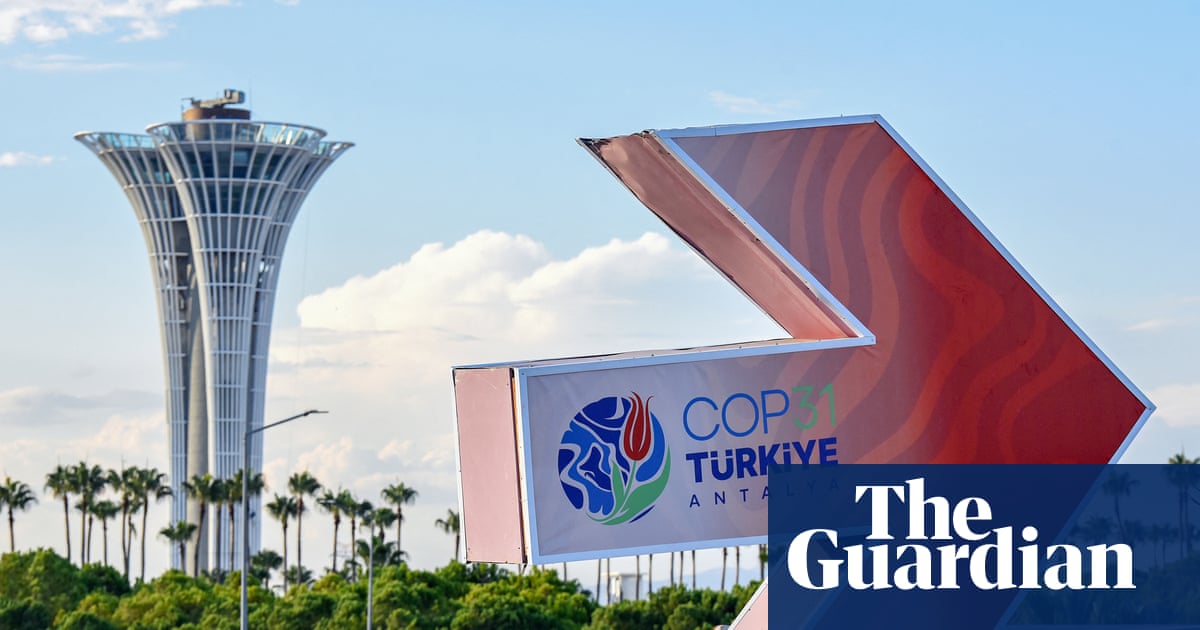
The hosts of the next major United Nation climate conference, Turkey and Australia, are facing criticism for being partners in a coal supply chain while remaining near silent on the need for a global deal to rapidly get off fossil fuels. With the Cop31 summit in the Turkish Mediterranean city of Antalya just a month away, the two countries running the fortnight-long talks have been accused by activists of a “vacuum of action” on plans for a transition away from coal, gas and oil – a key goal of many nations at the talks. Preparations for Cop31 will kick up a gear this week with a small group of national leaders, including the Australian prime minister, Anthony Albanese, expected to join representatives of more than 50 countries for a preparatory meeting in Fiji and Tuvalu.
Pre-summit meetings are typically bureaucratic gatherings, but expectations for his year’s event were elevated after Australia – which has the new role of “president of negotiations” at Cop31 – pushed to hold it in the Pacific, and invited leaders to attend, arguing it would highlight the plight of low-lying island nations. Few leaders from outside the region accepted. The Fijian government named five expected attendees – from Thailand, Antigua and Barbuda, Cape Verde, the Maldives and Timor-Leste – but some have since cancelled.
They include the Thai prime minister, Anutin Charnvirakul, as Bangkok suffered severe flooding. The meeting is being held just days after a New South Wales regulator approved the largest coalmine expansion in the Australian state’s history. Joint owners Yancoal and Glencore estimate the 19-year life extension for the Hunter Valley Operations thermal coalmine could lead to 809m tonnes of heat-trapping carbon dioxide emissions if it wins federal approval.
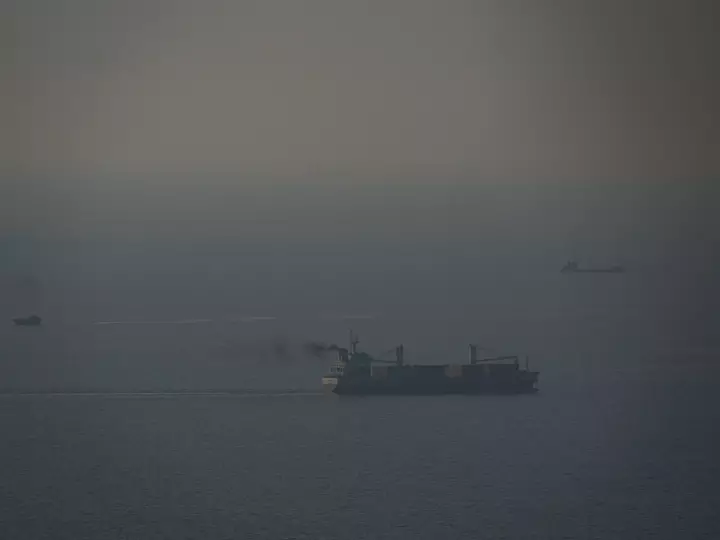
A report, by campaign group 350.org, cited UN Comtrade data suggesting the supply of coking and thermal coal from Australia to Turkey had been responsible for more than 75m tonnes of carbon dioxide emissions since the signing of the landmark Paris climate agreement in 2015. It said the countries were now expanding their trade in liquified natural gas (LNG). The organisation said this had continued while the Cop31 presidents largely ignored fossil fuels – the primary cause of the climate crisis – in public comments before the summit.
Three letters to countries setting out the mission and expectations for the summit, two from the Turkish government and one joint letter with the Australians, did not mention fossil fuels. Albanese also did not mention fossil fuels in a keynote speech at Climate Week in New York two weeks ago. Andreas Sieber, 350.org’s head of political strategy, said the hosts should be following the previous host, Brazil, in working on a roadmap to accelerate a transition away from dirty fuels.
He said both countries should announce coal phase-out dates as a first step. The 350.org report said Turkey was Europe’s biggest coal-power generator and it had signalled it could expand its coal and gas power capacity by about 30% by 2035. Australian climate change minister, Chris Bowen, has argued at previous summits that the world needs to move away from dirty fuels, including declaring at the Cop28 conference in Dubai that “the age of fossil fuels will end”.
Extract — continue reading at the source.