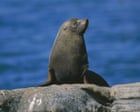
Scientists have warned deadly H5 bird flu could cause “carnage” for Australia’s seal and sea lion populations after detection of the virus in long-nosed fur seals in South Australia. SA confirmed Australia’s first case in a mammal on Saturday after a dead long-nosed fur seal found at Beachport on the Limestone Coast tested positive for H5N1. The state government announced a second suspected case on Monday in a dead long-nosed fur seal found on the Pages Islands, off Kangaroo Island, with results from CSIRO testing pending.
Leading mammal scientist John Woinarski, of Charles Darwin University, said he feared the virus would quickly start affecting more seals and sea lions. In 2023, H5N1 killed more than 17,000 southern elephant seal pups in Argentina and drone surveys detected more than 13,000 dead southern elephant seal pups on Australia’s Heard Island in 2025 and 2026. The Australian government has rated all at very high risk from H5 bird flu.
Experts say about 12,000 Australian sea lions remain – though one recent estimate put the figure at less than 10,000 – with about three-quarters of the population found in South Australia and the remainder in Western Australia. The long-nosed fur seal suspected of having bird flu was found on the Pages Islands where, the SA government reported last week, there had been mass deaths among greater crested terns. The islands are home to one of Australia’s largest breeding colonies of Australian sea lions, with long-nosed fur seals known to visit the area.
Younger said while there was some uncertainty about how Australia’s seals and sea lions would fare, the mortality rates seen in South America and the Southern Ocean “make me very worried”. The environment itself, including the water and beaches, could also be contaminated with the virus. H5N1 can be transmitted from birds to seals or between seals.
The SA government said last week it was investigating potential opportunities to vaccinate high-priority at-risk mammals, such as Australian sea lions at Seal Bay on Kangaroo Island. The Australian Marine Conservation Society said the arrival of bird flu in SA followed significant environmental harm caused by the algal bloom. Campaigns director Alexia Wellbelove said some species, such as sea lions, were in poorer condition because their food sources had been affected, “meaning they are likely more vulnerable”.
Wellbelove said the organisation had been calling for increased funding to target other threats to the species, such as fishing.
Extract — continue reading at the source.