Michael Dante DiMartino and Bryan Konietzko created one of the greatest fantasy series of all time with Avatar: The Last Airbender, imagining a rich world filled with wondrous magic, clashing cultures, and bizarre hybrid animals. Their sequel, The Legend of Korra, moved the world forward a generation and invented a new steampunk urban setting, while also featuring plenty of cameos and flashbacks with established characters like Aang, Katara, and Toph. For their third series, DiMartino and Konietzko, along with executive producers Ethan Spaulding and Sehaj Sethi, have taken a radical step: destroying everything they built.
Avatar: Seven Havens joins a rich legacy of post-apocalyptic fantasy, where heroes of a fallen age must band together to face a rising threat. In The Lord of the Rings, The Wheel of Time, and The Stormlight Archive, the glorious past and the circumstances that led to ruin have been largely relegated to myth. Seven Havens takes a similar tack, but with a clever twist: Avatar fans already know what this world used to be like, but not how things got so bad.
Seven Havens is set 300 years after the events of Avatar: The Last Airbender — or 225 years after The Legend of Korra. The four nations that once lived in harmony have all been wiped out by a mysterious cataclysm, supposedly unleashed by the last Avatar, Korra. The survivors live in seven isolated Havens, which are constantly besieged by devastating storms and ravagers.
In Ellora, the Haven of Wind and Sand, all benders are conscripted into a brigade to protect its people from the elements, bandits, and crumbling infrastructure. But fewer benders are born every year, and the brigade’s numbers are shrinking. The situation is already unstable, but when a mysterious threat from the spirit world emerges, Ellora’s very survival is put in jeopardy.
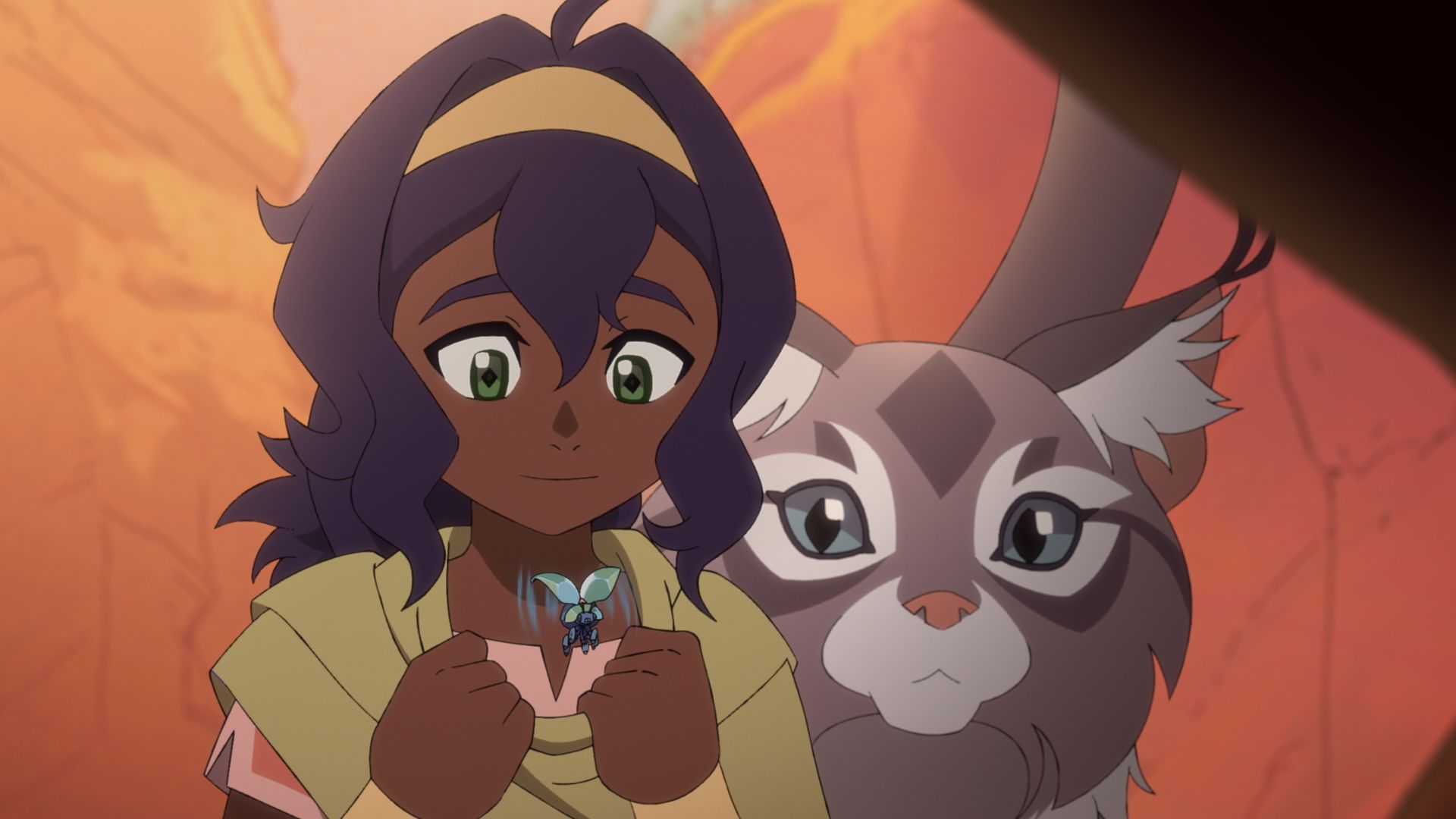
Every part of Seven Havens' setup oozes with potential. Korra’s role in the cataclysm teases fans, who can’t imagine her recklessly destroying the world. It also makes things extremely difficult for our new Avatar, Pavi (Saheli Khan), an awkward child who spends most of her time dumpster-diving and talking to rocks and bugs.
Pavi has to deal not only with the awesome responsibility of her power, but the fact that almost everyone in Ellora views the Avatar as the ultimate evil. It’s been 21 years since Avatar: The Last Airbender premiered on Nickelodeon, and DiMartino and Konietzko have the tricky task of appealing to fans that grew up on the series while bringing in a new generation of kids. Older viewers might not relate to Pavi’s antics — she blows her cover in the first episode by getting into a fight with another child and unleashing biting insects on a crowd — but it's the kind of goofy stuff that made Aang so endearing in the original.
Extract — continue reading at the source.