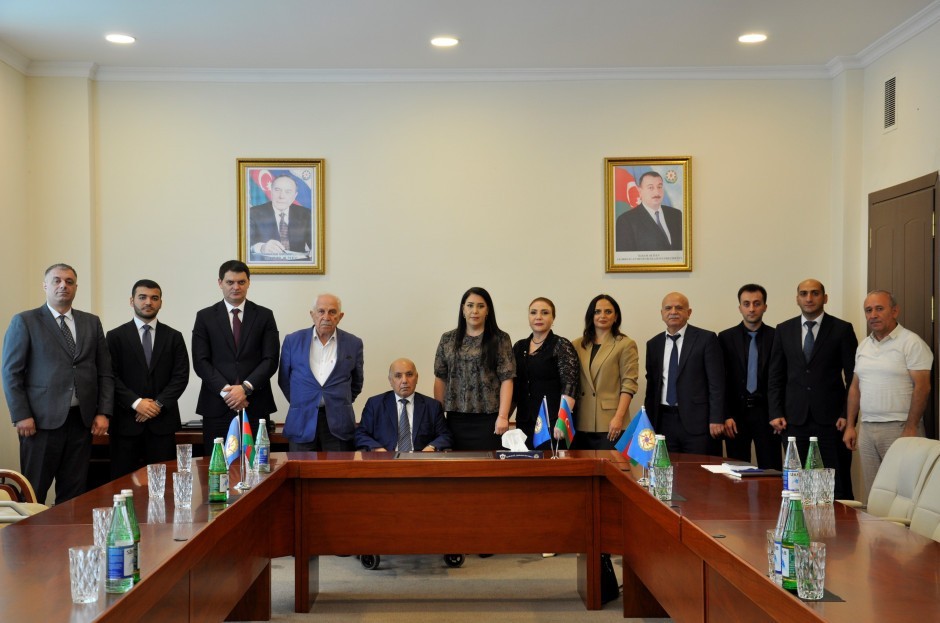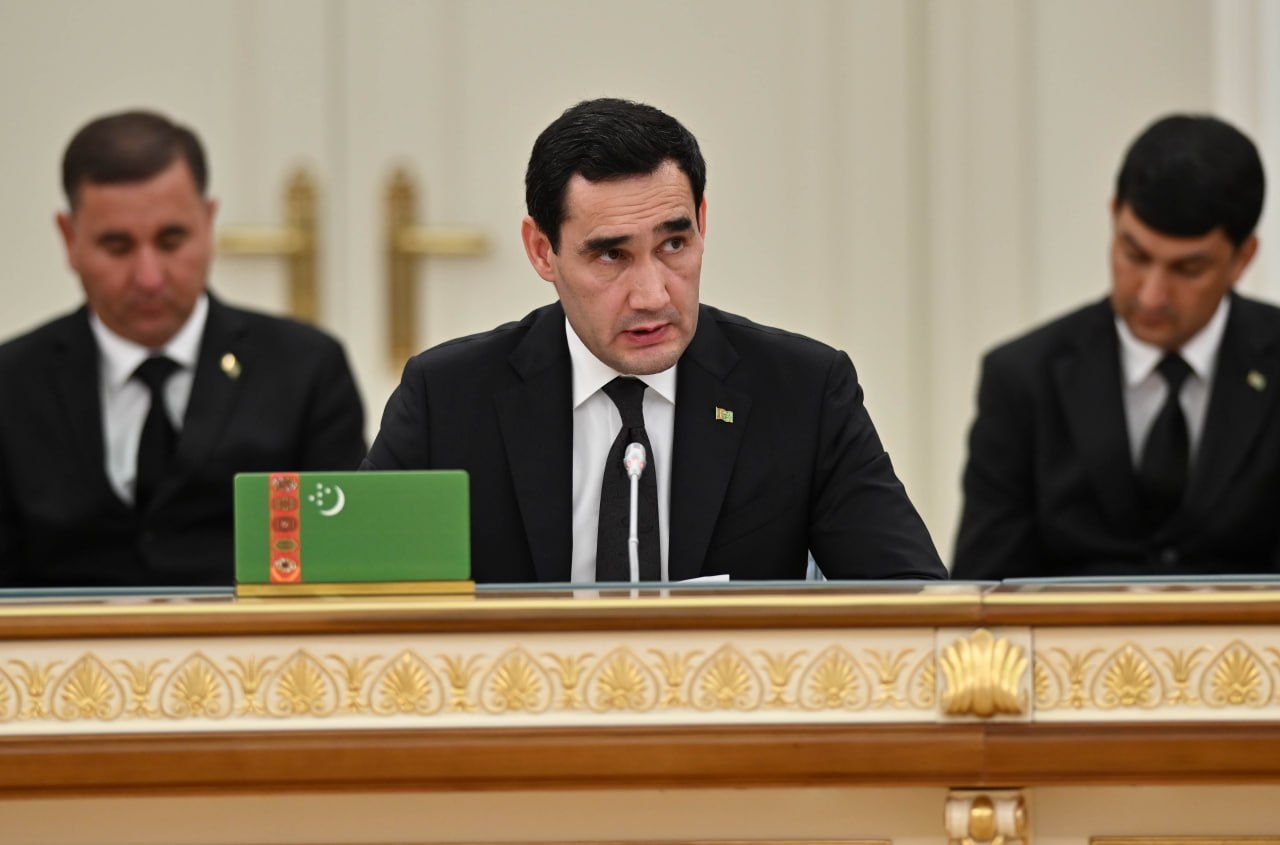
This week, Baku is hosting the 4th International Conference on "Strengthening Trust and Developing Effective Mechanisms and Solutions for Addressing the Issue of Missing Persons," organized by Azerbaijan’s State Commission on Prisoners of War, Hostages and Missing Persons within the Baku Dialogue on Missing Persons. Former heads of state and government, representatives of international organizations, experts, diplomats and human rights specialists are among those attending. The conference takes place as Azerbaijan and Armenia work to establish peace after decades of conflict.
The armed-conflict phase of their relationship has ended, and both sides have made significant progress toward a peace agenda and restoring ties. But formal agreements alone cannot build lasting trust. Fundamental humanitarian questions remain unresolved, including the fate of those who disappeared and the identification of remains found in mass graves.
According to Azerbaijan’s State Commission, as of 1 October 2026, 4,010 people were registered as missing as a result of the conflict: 4,004 from the first Karabakh war and six from the 2020 war. The list includes 3,228 military personnel and 782 civilians. Among the civilians are 71 children, 288 women and 319 elderly people.
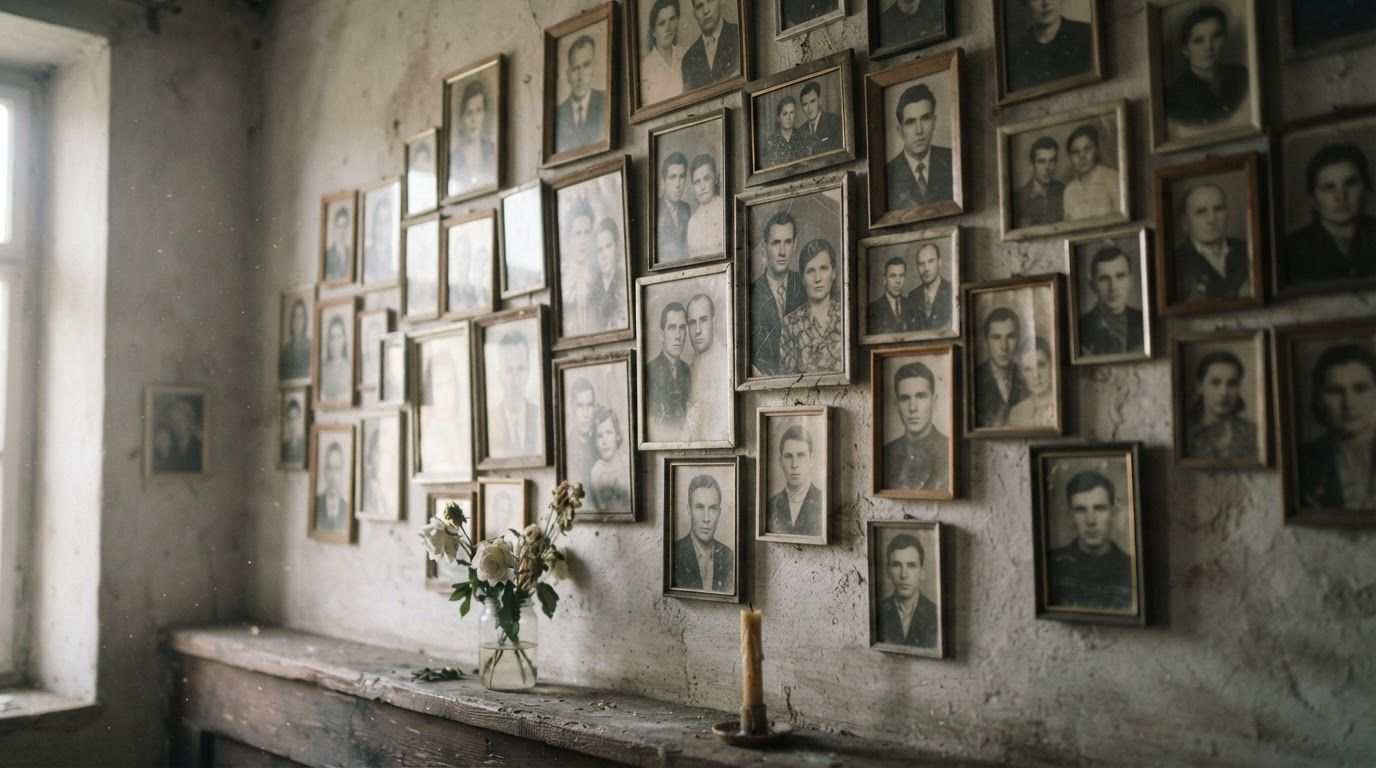
It fully describes the scale of the loss, but not the daily reality for families. Disappearance denies them the certainty needed to mourn. They cannot know whether to keep hoping or begin to say goodbye.
The uncertainty is passed from one generation to the next. The issue is also central to the search for human remains and the identification of mass graves. Investigators found numerous burial sites in territories returned after the 2020 war.
Without reliable information, including maps and coordinates from the Armenian side, investigators face serious obstacles in locating graves and identifying the dead. International humanitarian law recognizes the right of families to know the fate of their missing relatives and obliges parties to conflict to search for them. The relevant framework includes the 1949 Third Geneva Convention, the Additional Protocols to the Geneva Conventions and the 2006 International Convention for the Protection of All Persons from Enforced Disappearance.
Extract — continue reading at the source.