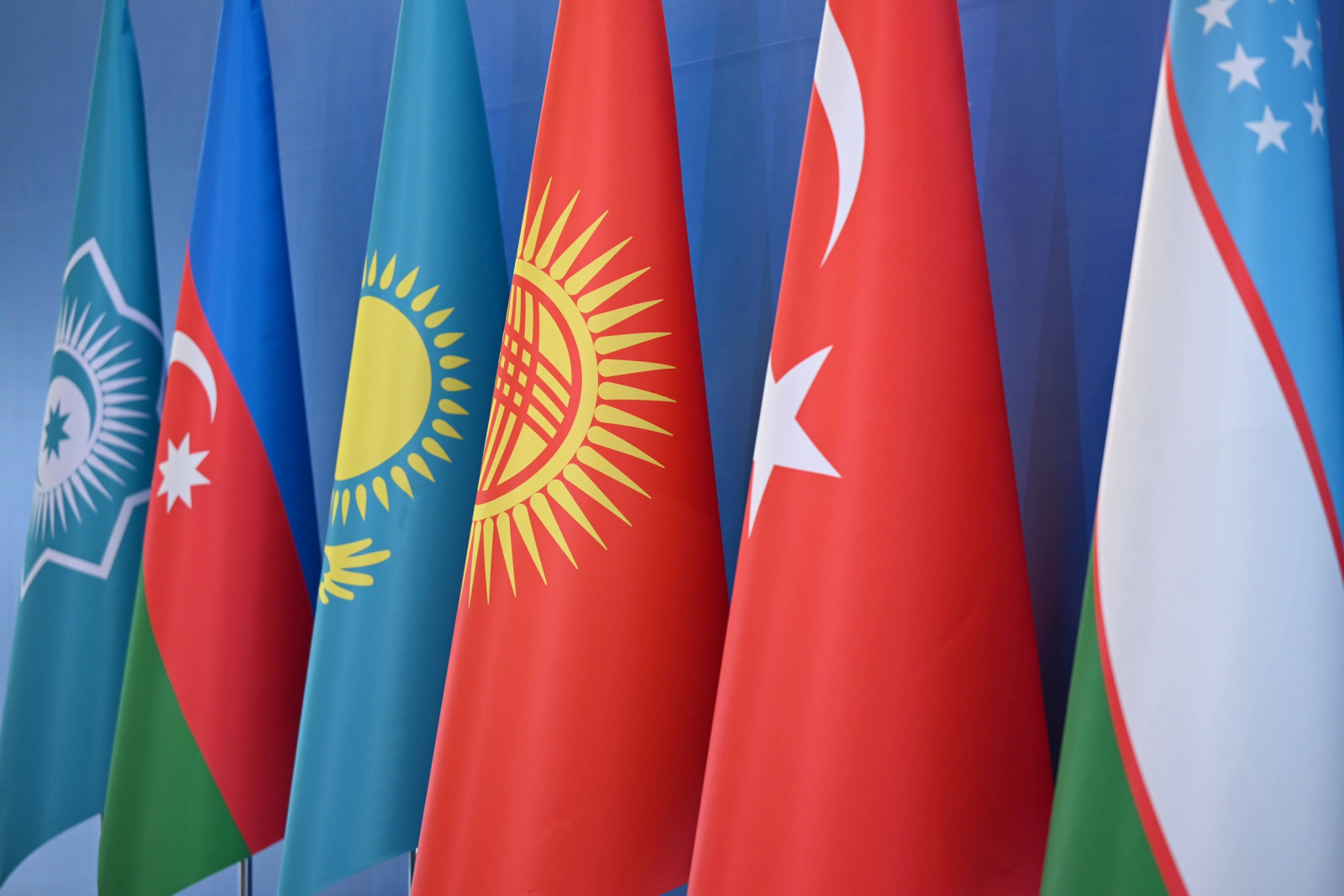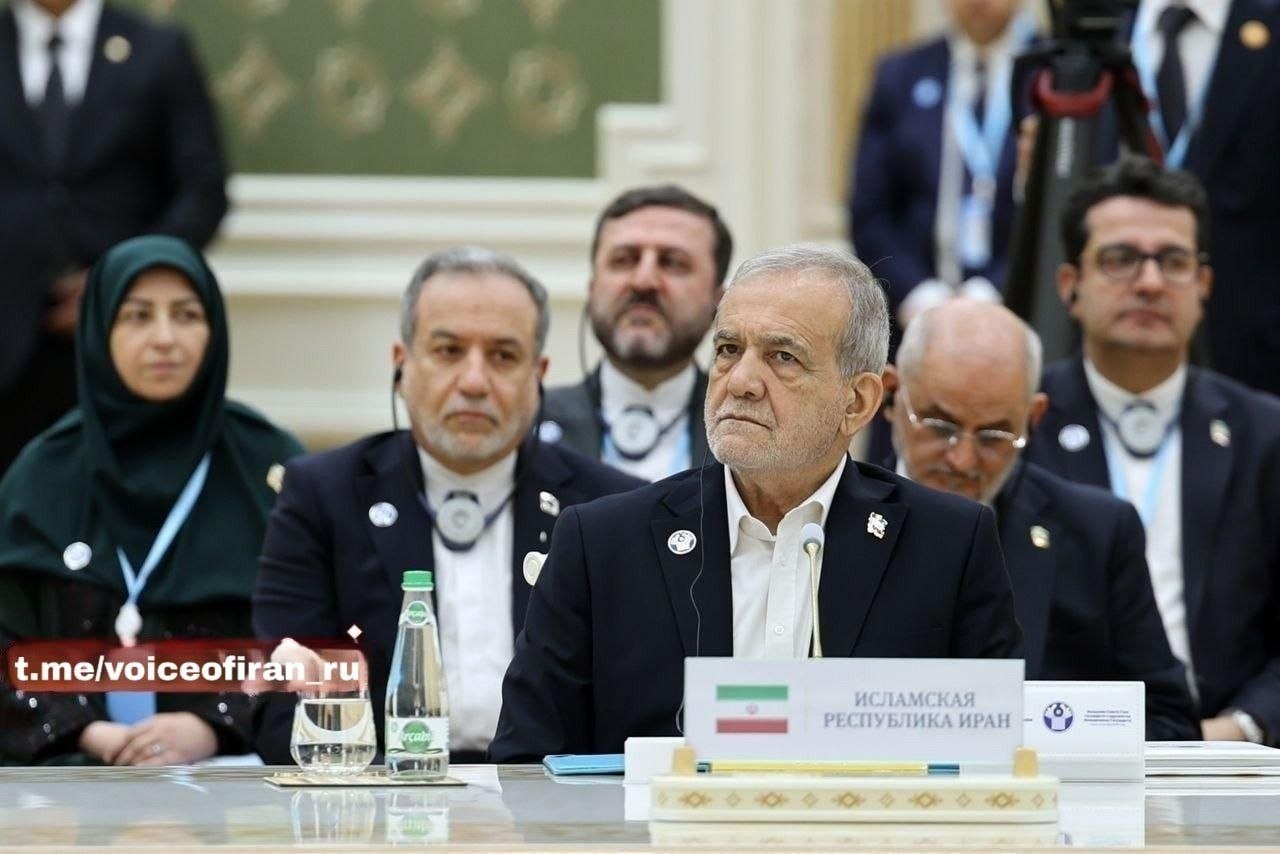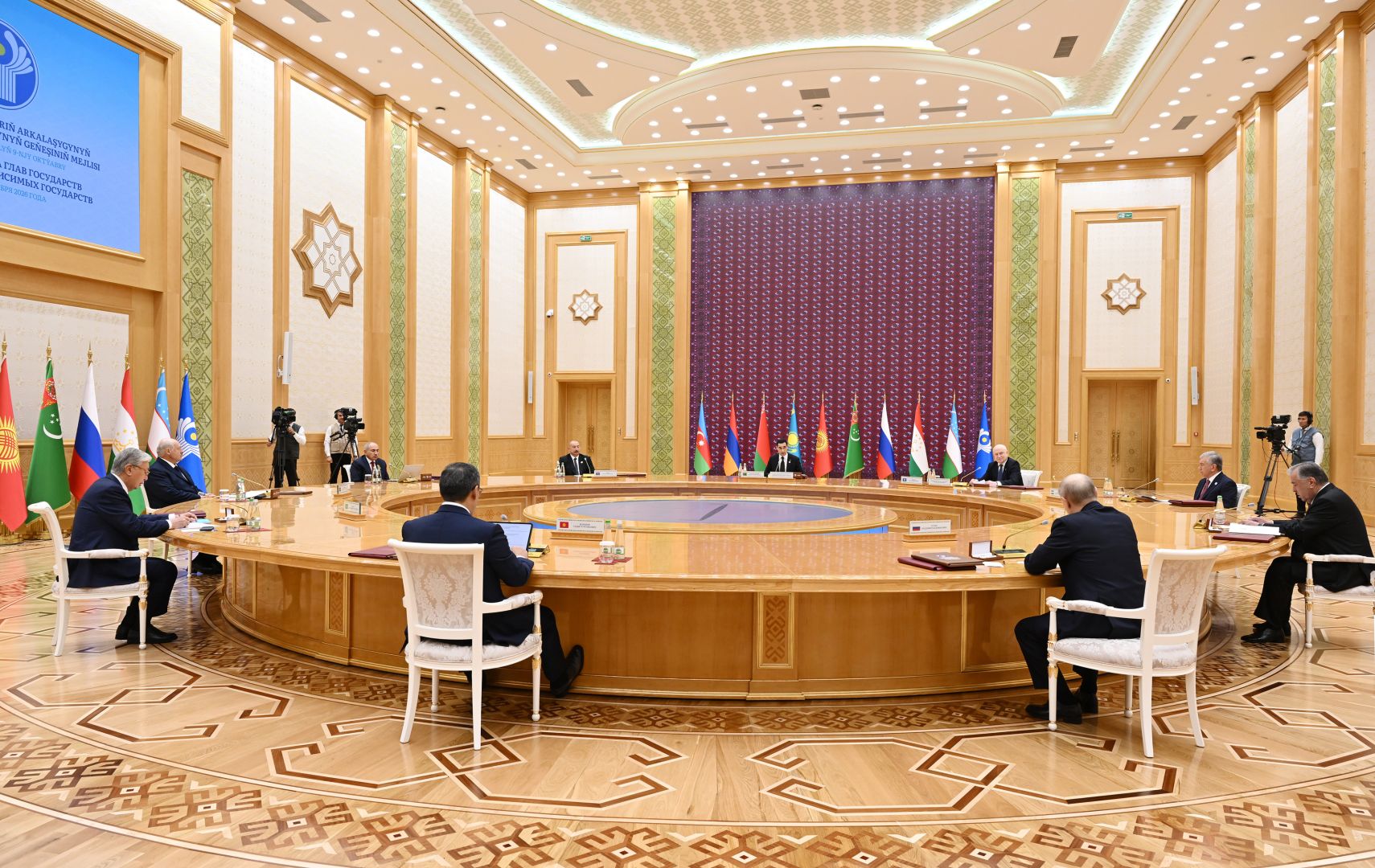
At a summit on the Caspian coast, Azerbaijan secured something less dramatic than a treaty and potentially more revealing than another declaration: a place at the head of a post-Soviet institution it has belonged to for decades but never chaired. Uzbekistan takes the CIS chair in 2027, with Azerbaijan as co-chair, and Baku will assume the full chairmanship in 2028. "We regard this as evidence of the high level of trust placed in our country and are ready to participate in the implementation of common tasks actively," Ilham Aliyev told fellow leaders.
He went further, adding that "Azerbaijan is also ready to assume the CIS chairmanship in 2028 and organize the meeting of the CIS Council of Heads of State in the autumn of that year." This was the statement made by the Azerbaijani President regarding the outcome in his speech. But it becomes even more intriguing to ask not whether Azerbaijan won its ceremonial seat but what it can do with it. Established at the time when the Soviet Union fell apart, the CIS has repeatedly found it difficult to transform shared history into a common cause.
Each of its members has different strategic alliances, economic interests, and relationships with Russia. Azerbaijan is due to chair the Consultative Meeting of Central Asian Heads of State in 2027, reflecting its growing inclusion in a format traditionally defined by the five Central Asian republics. It has also taken on leadership responsibilities within the Organization of Turkic States and the Conference on Interaction and Confidence Building Measures in Asia (CICA).
The country’s diplomatic diary extends beyond the post-Soviet space. There are plans for Azerbaijan to hold an OIC summit in 2027 and hand over the leadership of the organization to Baku. A European Political Community summit will be held in May 2028.
These summits unite very different groups: states speaking the Turkic language, Asian security partners, Muslim countries, and Europeans. Honestly, and subjectively, this is a rather unique portfolio for such a small country as Azerbaijan. However, this portfolio highlights one more difference that is often lost in diplomatic pronouncements: the possibility of setting an agenda through organizing a conference does not equal achieving consensus or receiving any investments from it.
The challenge for Baku is to convert its busy schedule into real cooperation. For a country of ten million people, a rotating gavel is leverage. Chairs set agendas, convene leaders and decide which issues get airtime.
Extract — continue reading at the source.